Region

EU plus

Stories in this section cover the EU-27 countries plus the UK, Norway, Switzerland, Iceland, Liechtenstein, Monaco, Andorra and the Balkan Countries (Albania, Serbia, Montenegro, Bosnia-Herzegovina, Kosovo, North Macedonia).

Editor's choice
News
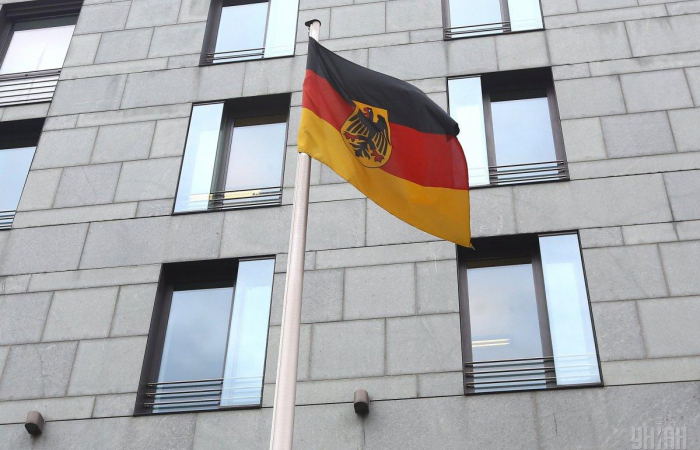
Germany accuses Russia of cyberattacks and disinformation campaign

Germany accuses Russia of cyberattacks and disinformation campaign

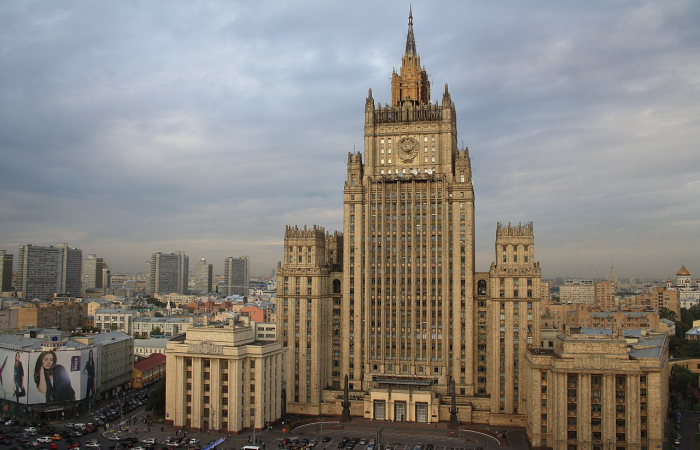
The German government holds Russia responsible for a cyberattack on German air traffic control, and for targeted disinformation campaigns before the last federal election. According to the German Foreign Office in Berlin, the incidents could be clearly attributed to the Russian military intelligence service, the GRU. In response, the Russian ambassador to Berlin was summoned to the Foreign Ministry. "We have been observing a massive increase in threatening hybrid activities by Russia for some time now," a spokesperson for the Foreign Ministry stated. These range from disinformation campaigns and espionage to cyberattacks and sabotage attempts. The aim is to divide society, sow distrust, and undermine confidence in democratic institutions. The spokesperson added that with these actions, Russia is "very concretely threatening our security, not only through its war of aggression against Ukraine, but also here in Germany."  The Foreign Ministry spokesperson explained that the cyberattack on air traffic control in August 2024 was clearly attributed to the hacker collective "APT28," known as "Fancy Bear," and to the responsibility of the Russian military intelligence service, the GRU. Furthermore, it could now be "conclusively stated" that Russia had attempted "to influence and destabilize both the last Federal election and the ongoing internal affairs of the Federal Republic of Germany." There was "absolutely irrefutable evidence" for this". The so-called "Storm 1516" campaign, which has been running since 2024, is allegedly backed by "reliable information" that the Moscow-based think tank "Center for Geopolitical Expertise" is behind it. The Center is also said to be supported by Russian military intelligence. Its primary aim is to influence democratic elections in the West. (Click the image to read more).
Editor's choice
News
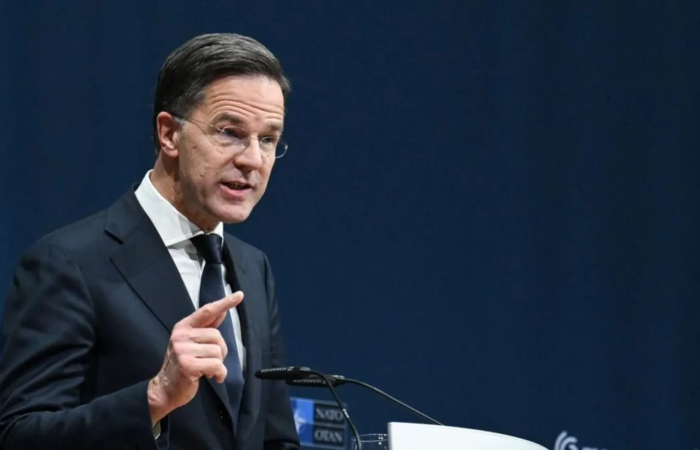
NATO Chief says war is on Europe's doorstep, and warns against complacency

NATO Chief says war is on Europe's doorstep, and warns against complacency

Russia could attack a NATO country within the next five years, the Secretary General of NATO, Mark Rutte, said in a stark new warning. "NATO's own defences can hold for now," Rutte warned in Berlin, but conflict was "next door" to Europe, and he feared "too many are quietly complacent, and too many don't feel the urgency, too many believe that time is on our side. "Russia is already escalating its covert campaign against our societies," Rutte said in a speech in Germany. "We must be prepared for the scale of war our grandparents or great-grandparents endured." Earlier this month, Russia's President Vladimir Putin said his country was not planning to go to war with Europe, but it was ready "right now" if Europe wanted to - or started a war. But similar reassurances were given by Moscow in 2022, just before 200,000 Russian troops crossed the border and invaded Ukraine. Putin has accused European countries of hindering US efforts to bring peace in Ukraine - a reference to the role Ukraine's European allies have recently played in trying to change a US peace plan to end the war, whose initial draft was seen as favouring Russia. But Putin was not sincere, Nato's secretary-general said in the German capital, Berlin. Supporting Ukraine, he added, was a guarantee for European security. "Just imagine if Putin got his way; Ukraine under the boot of Russian occupation, his forces pressing against a longer border with Nato, and the significantly increased risk of an armed attack against us." Russia's economy has been on a war footing for more than three years now - its factories churn out ever more supplies of drones, missiles and artillery shells. According to a recent report by the Kiel Institute for the World Economy, Russia has been producing each month around 150 tanks, 550 infantry fighting vehicles, 120 Lancet drones and more than 50 artillery pieces. The UK, and most of its Western allies, are simply not anywhere near this point. Analysts say it would take years for Western Europe's factories to come close to matching Russia's mass-production of weapons. "Allied defence spending and production must rise rapidly, our armed forces must have what they need to keep us safe," the Nato chief said.

Filter archive

Publication date
Editor's choice
News
Poland to station 10,000 troops on border with Belarus amid Wagner concern

Poland to station 10,000 troops on border with Belarus amid Wagner concern

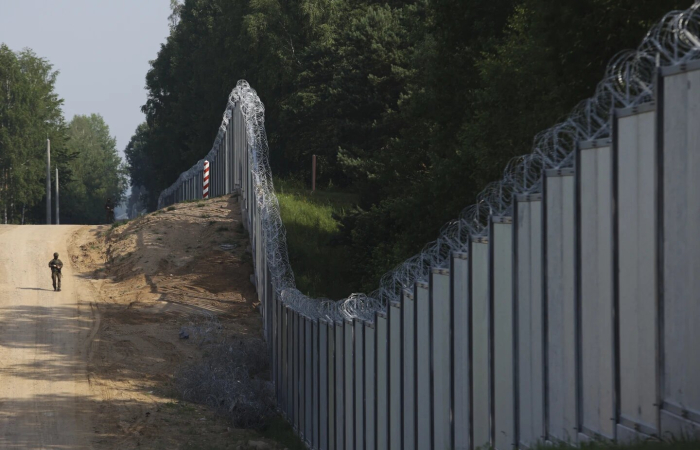
Poland has announced on Thursday (10 August) that it will station some 10,000 troops on its eastern border with Belarus. The decision comes after the Polish Prime Minister Mateusz Morawiecki said on 29 July that Wagner Group mercenaries could infiltrate Poland from Belarus, where they are currently stationed. The Polish Defense Minister Mariusz Blaszczak said that the 10,000 soldiers will be moved to the country's border with Belarus "to scare away the aggressor so that it does not dare attack us", adding "we have to be ready for various scenarios, we do not exclude anything".
Editor's choice
News
2nd EU-Saudi Arabia high-level political dialogue held in Brussels

2nd EU-Saudi Arabia high-level political dialogue held in Brussels

The 2nd High-level Political Dialogue between the European Union and the Kingdom of Saudi Arabia was held on 31 July in Brussels, the European Union's External Action Service has announced in a press release. It was co-chaired by Deputy Secretary-General of the European External Action Service (EEAS), Mr. Enrique Mora and Ambassador H.E. Dr. Rayed Krimly, Head of Policy Planning at the Saudi Ministry of Foreign Affairs.
Editor's choice
Opinion
Opinion: Russia determined not to be marginalised in the Armenia-Azerbaijan negotiation process

Opinion: Russia determined not to be marginalised in the Armenia-Azerbaijan negotiation process

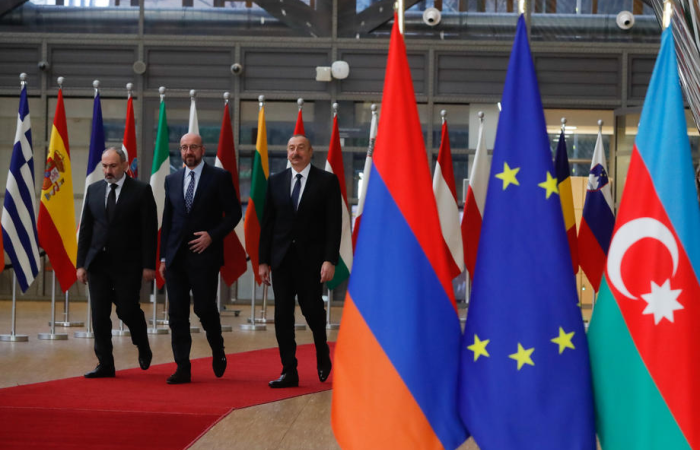
The Armenian and Azerbaijani foreign ministers meet in Moscow today at the invitation of their Russian counterpart. It is the latest attempt by Russia to ensure that it is not marginalized, as Armenia-Azerbaijan negotiations continue in earnest with western mediation. In this op-ed for commonspace.eu, Benyamin Poghosyan says that Russian demands to include in the peace agreement the issue of rights and security of the Armenians of Nagorno-Karabakh may allow Armenia to take a more flexible position during the upcoming negotiations and seek to create minimally acceptable conditions for Armenians living in Nagorno Karabakh. 
Editor's choice
News
Georgian government "well-aware" of "long-term obligations and responsibilities" of EU membership, says PM

Georgian government "well-aware" of "long-term obligations and responsibilities" of EU membership, says PM

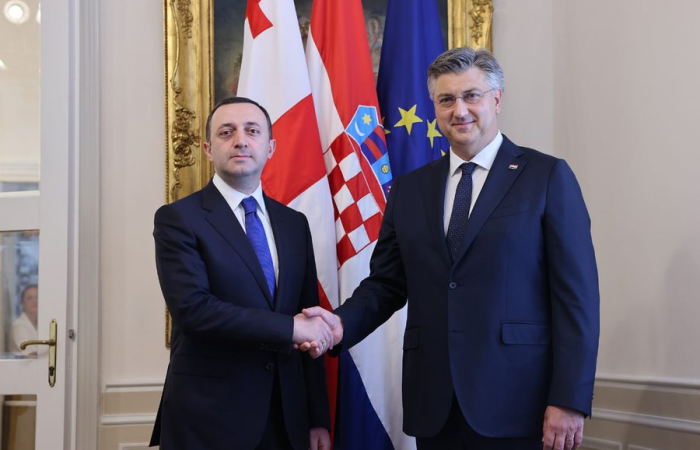
Georgian Prime Minister Irakli Garibashvili on Monday (24 July) said his government was “well-aware” that joining the European Union came with “long-term obligations and responsibilities”, and added it was a “long but rewarding process”. He was speaking in the Croatian capital of Zagreb on his first visit to the country.
Editor's choice
Commentary
Di Maio arrives in the Gulf on first trip as special envoy of the EU for the GCC

Di Maio arrives in the Gulf on first trip as special envoy of the EU for the GCC

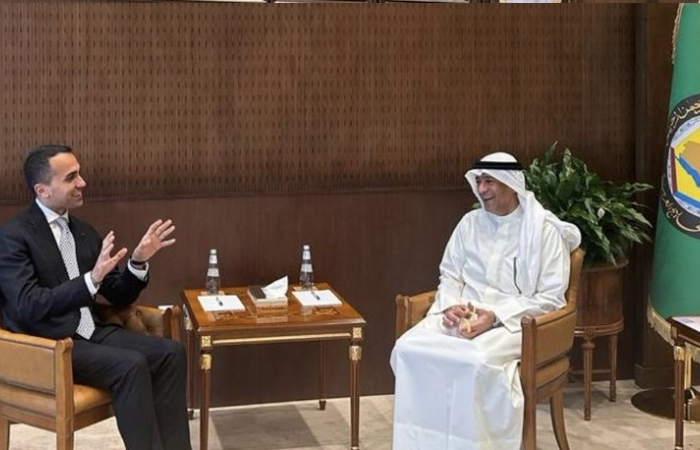
European Union diplomacy is often criticised for not giving enough attention to the countries of the Gulf Co-operation Council (GCC). In a signal that things are about to change, in June it appointed its first Special Representative for the region. The EU has a number of these Special Representatives, know as EUSRs, usually dealing with regions or topics that cannot be addressed through the bilateral delegations that the EU has in most countries of the world. But the announcement that the EU was going to appoint former Italian Prime Minister, Luigi Di Maio, as its first EUSR for the Gulf countries came as a bit of a surprise. Too senior, some said; too much political baggage from his time in Italian politics, said others. But after a brief moment of hesitation the 27 member states finally agreed Di Maio's candidature. This week he finally arrived in the Gulf on his first visit in this role, ahead of an important EU-GCC foreign ministers meeting expected to take place in Oman in October. “I think that the world is changing and there are new partnerships to build,” Di Maio said during an interview on Thursday with the Saudi newspaper Arab News, that touched on topics ranging from the Russia-Ukraine conflict to the economic empowerment of women and young people in the Kingdom.
Editor's choice
News
Turkey agrees Sweden NATO membership as summit begins in Lithuania

Turkey agrees Sweden NATO membership as summit begins in Lithuania

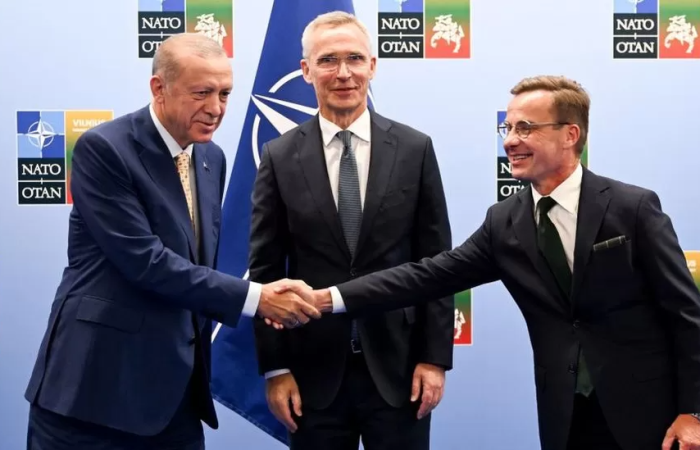
The Turkish President Recep Tayyip Erdogan has agreed to Sweden's membership of the North Atlantic Treaty Organization (NATO), hours before the military alliance's summit is due to get underway in the Lithuanian capital of Vilnius on Tuesday (11 July). The NATO General Secretary Jens Stoltenberg said on Monday evening (10 July) that President Erdogan would forward Sweden's bid to the Turkish parliament in Ankara and "ensure ratification". He described it as a "historic step" but stressed that a "clear date" for Sweden's formal accession to the organisation could not yet be given as this relies on both the Turkish parliament as well as Prime Minister Viktor Orban of Hungary and the Hungarian parliament. Hungary and Turkey remain the only two NATO members who are not yet to retify Sweden's membership. Hungarian Foreign Minister Peter Szijjarto said on Tuesday that ratification of Sweden's bid is now "only a technical question". Reacting to the news, Swedish Prime Minister Ulf Kristersson said: "I am very happy, it is a good day for Sweden."
Editor's choice
News
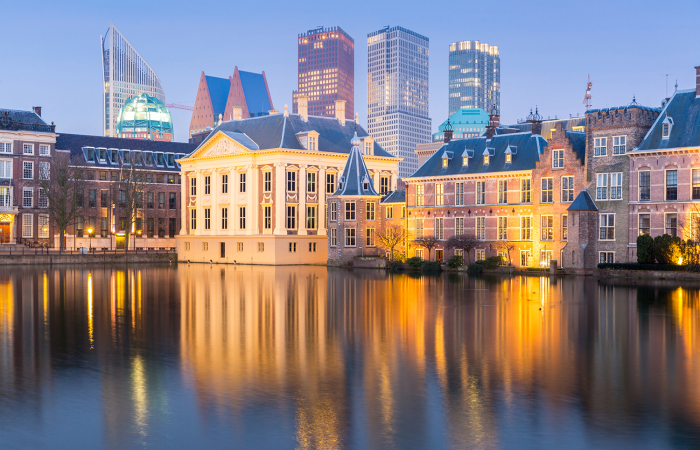
The Hague to host three meetings on the South Caucasus this week

The Hague to host three meetings on the South Caucasus this week

This week in the city of the Hague, the foundation LINKS Europe will host three important meetings related to the South Caucasus region. The city will welcome participants from Armenia, Azerbaijan and Georgia and beyond, many of who are involved in the delicate process of building trust and confidence between people after years of warfare and animosity in the South Caucasus Region. A spokesperson for LINKS Europe said that the three meetings are,in their different ways, all symbolic and significant, and are being held at a critical juncture for the future of the South Caucasus region, and its relations with Europe.  LINKS Europe has a long history of engagement with the region, and has for many years been particularly active in promoting peace, dialogue and reconciliation. "We are looking forward to three days of intensive meetings, discussions and debates, and we hope the outcome of the meetings will contribute to the wider ongoing process for  peace and reconciliation in the region, and for stronger relations between the region and the rest of Europe", the spokesperson said.