Region

EU plus

Stories in this section cover the EU-27 countries plus the UK, Norway, Switzerland, Iceland, Liechtenstein, Monaco, Andorra and the Balkan Countries (Albania, Serbia, Montenegro, Bosnia-Herzegovina, Kosovo, North Macedonia).

Editor's choice
News
Germany accuses Russia of cyberattacks and disinformation campaign

Germany accuses Russia of cyberattacks and disinformation campaign

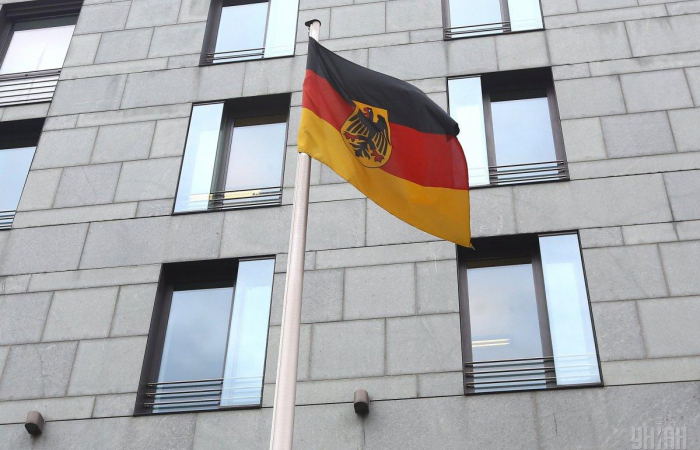
The German government holds Russia responsible for a cyberattack on German air traffic control, and for targeted disinformation campaigns before the last federal election. According to the German Foreign Office in Berlin, the incidents could be clearly attributed to the Russian military intelligence service, the GRU. In response, the Russian ambassador to Berlin was summoned to the Foreign Ministry. "We have been observing a massive increase in threatening hybrid activities by Russia for some time now," a spokesperson for the Foreign Ministry stated. These range from disinformation campaigns and espionage to cyberattacks and sabotage attempts. The aim is to divide society, sow distrust, and undermine confidence in democratic institutions. The spokesperson added that with these actions, Russia is "very concretely threatening our security, not only through its war of aggression against Ukraine, but also here in Germany."  The Foreign Ministry spokesperson explained that the cyberattack on air traffic control in August 2024 was clearly attributed to the hacker collective "APT28," known as "Fancy Bear," and to the responsibility of the Russian military intelligence service, the GRU. Furthermore, it could now be "conclusively stated" that Russia had attempted "to influence and destabilize both the last Federal election and the ongoing internal affairs of the Federal Republic of Germany." There was "absolutely irrefutable evidence" for this". The so-called "Storm 1516" campaign, which has been running since 2024, is allegedly backed by "reliable information" that the Moscow-based think tank "Center for Geopolitical Expertise" is behind it. The Center is also said to be supported by Russian military intelligence. Its primary aim is to influence democratic elections in the West. (Click the image to read more).
Editor's choice
News
NATO Chief says war is on Europe's doorstep, and warns against complacency

NATO Chief says war is on Europe's doorstep, and warns against complacency

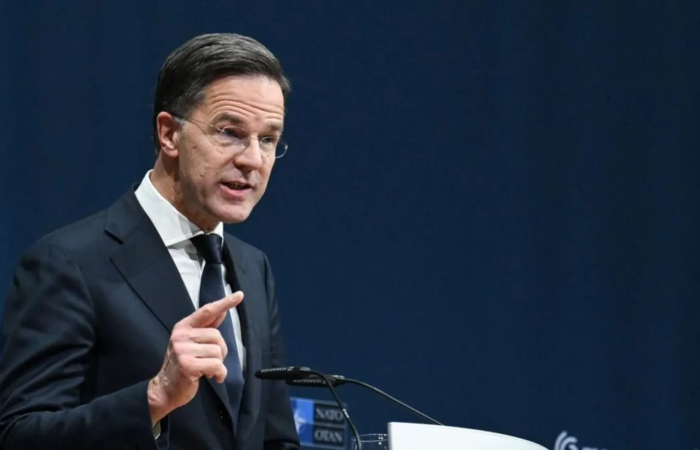
Russia could attack a NATO country within the next five years, the Secretary General of NATO, Mark Rutte, said in a stark new warning. "NATO's own defences can hold for now," Rutte warned in Berlin, but conflict was "next door" to Europe, and he feared "too many are quietly complacent, and too many don't feel the urgency, too many believe that time is on our side. "Russia is already escalating its covert campaign against our societies," Rutte said in a speech in Germany. "We must be prepared for the scale of war our grandparents or great-grandparents endured." Earlier this month, Russia's President Vladimir Putin said his country was not planning to go to war with Europe, but it was ready "right now" if Europe wanted to - or started a war. But similar reassurances were given by Moscow in 2022, just before 200,000 Russian troops crossed the border and invaded Ukraine. Putin has accused European countries of hindering US efforts to bring peace in Ukraine - a reference to the role Ukraine's European allies have recently played in trying to change a US peace plan to end the war, whose initial draft was seen as favouring Russia. But Putin was not sincere, Nato's secretary-general said in the German capital, Berlin. Supporting Ukraine, he added, was a guarantee for European security. "Just imagine if Putin got his way; Ukraine under the boot of Russian occupation, his forces pressing against a longer border with Nato, and the significantly increased risk of an armed attack against us." Russia's economy has been on a war footing for more than three years now - its factories churn out ever more supplies of drones, missiles and artillery shells. According to a recent report by the Kiel Institute for the World Economy, Russia has been producing each month around 150 tanks, 550 infantry fighting vehicles, 120 Lancet drones and more than 50 artillery pieces. The UK, and most of its Western allies, are simply not anywhere near this point. Analysts say it would take years for Western Europe's factories to come close to matching Russia's mass-production of weapons. "Allied defence spending and production must rise rapidly, our armed forces must have what they need to keep us safe," the Nato chief said.

Filter archive

Publication date
Editor's choice
Opinion
Opinion: Russia fears it is being elbowed out of the South Caucasus, and prepares to react

Opinion: Russia fears it is being elbowed out of the South Caucasus, and prepares to react

Russia is worried that the success of European diplomacy in approximating the positions of Armenia and Azerbaijan, and the prospect of a peace agreement before the end of the year, would see it elbowed out of the South Caucasus. Russia may use its presence in Karabakh to throw spokes in the wheel, writes Vasif Huseynov in this op-ed for commonspace.eu. "This situation seriously threatens peace and stability in the South Caucasus. The region would  descend into a catastrophic escalations if the present peace efforts fail, and the Armenia-Azerbaijan conflict becomes another theater of the Russia-West confrontation. Baku and Yerevan, having declared their willingness to recognize each other’s territorial integrity and sovereignty, would suffer the most from such a situation. Hence, both should make efforts to reach a deal with a delicate geopolitical balance", he writes.
Editor's choice
News
Greek and Turkish defence ministers met in Brussels

Greek and Turkish defence ministers met in Brussels

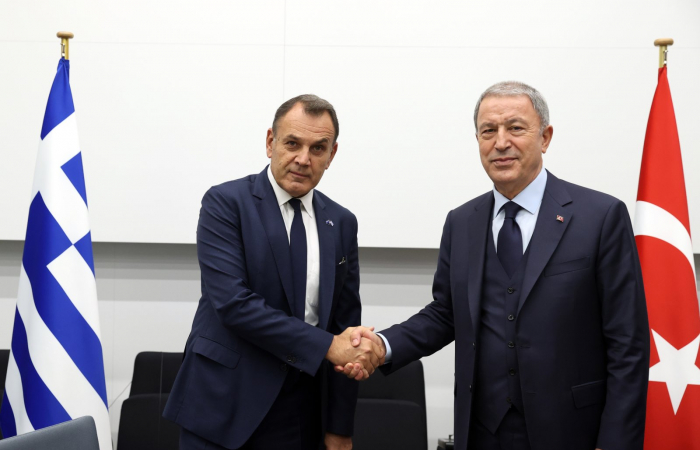
Turkish Defense Minister Hulusi Akar and his Greek counterpart Nikolaos Panagiotopoulos, met on Thursday (13 October) on the sidelines of a NATO meeting in Brussels, amid ongoing tensions between their two countries. The meeting between the two ministers comes as the two countries amid ongoing disagreements between Athens and Ankara on a range of issues, including the Eastern Mediterranean, Cyprus, migrant pushbacks and more. Both ministers were in Brussels to attend the Meeting of NATO Ministers of Defence. The two uneasy NATO neighbors have long-standing sea and air boundary disputes which lead to near-daily air force patrols and interception missions mostly around Greek islands near Turkey's coastline. The situation exacerbated recently as both sides started deploying troops on small islands in the Aegean that up to now have been largely demilitarised.
Editor's choice
Monday Commentary
Monday Commentary: Success in Prague

Monday Commentary: Success in Prague

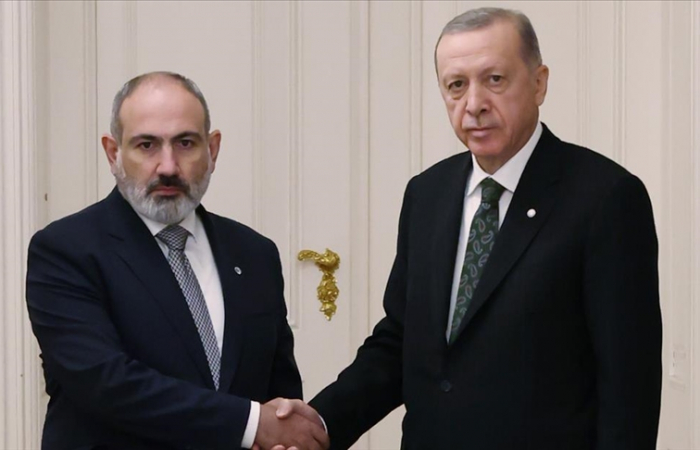
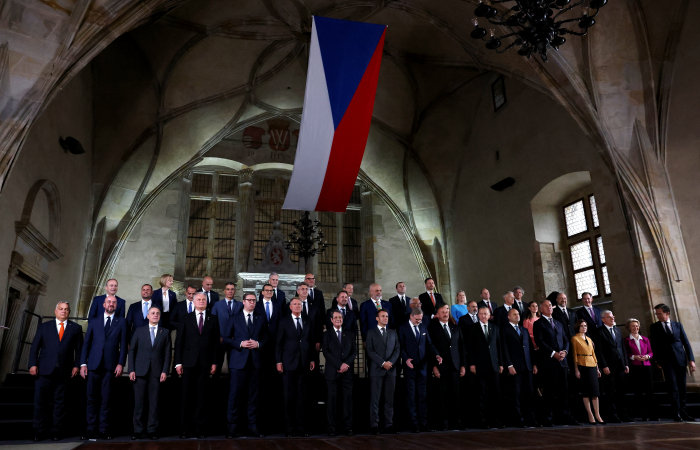
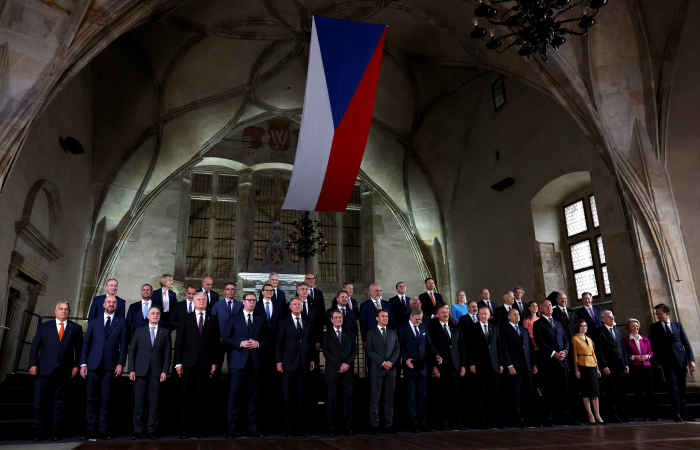
On 6 October in Prague, the leaders of 44 European countries gathered in the historic settings of Prague Castle for the first meeting of the European Political Community (EPC). Such an initiative was needed. The war in Ukraine, Russia’s bellicose postures, and the threat of an energy crisis caused by the disruption of Russian energy supplies have helped focus the minds of European leaders. Prague offered an opportunity to discuss and analyse and approximate positions. Important discussions on the margins of the main event, such as the quadripartite meeting with Armenia and Azerbaijan and the Turkey-Armenia leaders meeting, contributed to the process of resolving some of the more intractable problems of the last decades. The work of the European Political Community needs now to be taken forward. In future, the biggest task of the EPC will be to engage Russia. But not yet. For the moment the Community has done what is needed, which is to contribute to build a united front against Russian aggression in Ukraine. It must continue to do so until Russian aggression ends.
Editor's choice
News
Armenia and Azerbaijan recognise each other's territorial integrity and sovereignty

Armenia and Azerbaijan recognise each other's territorial integrity and sovereignty

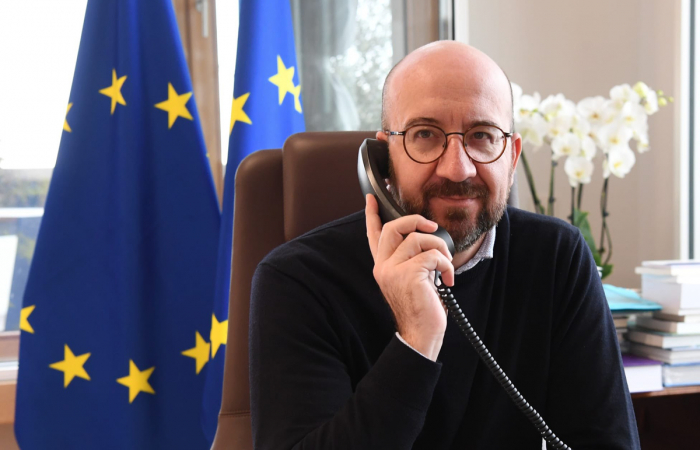
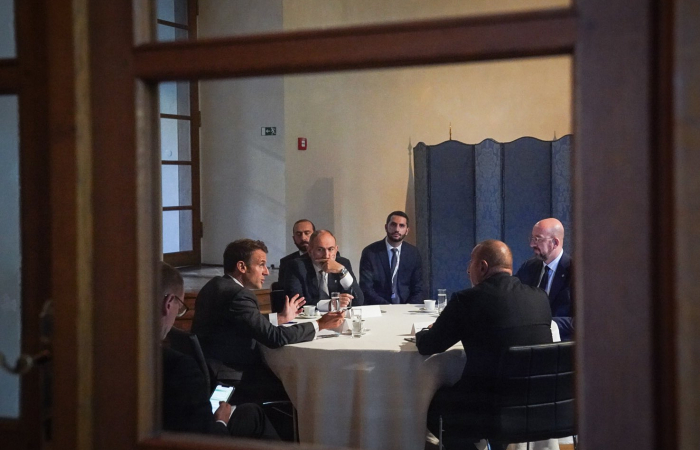
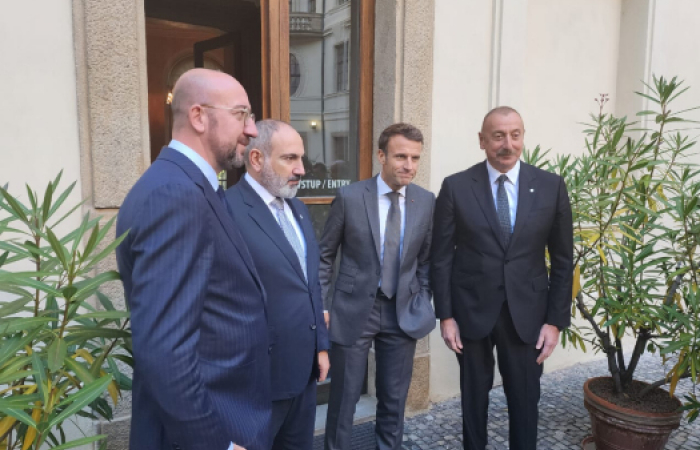
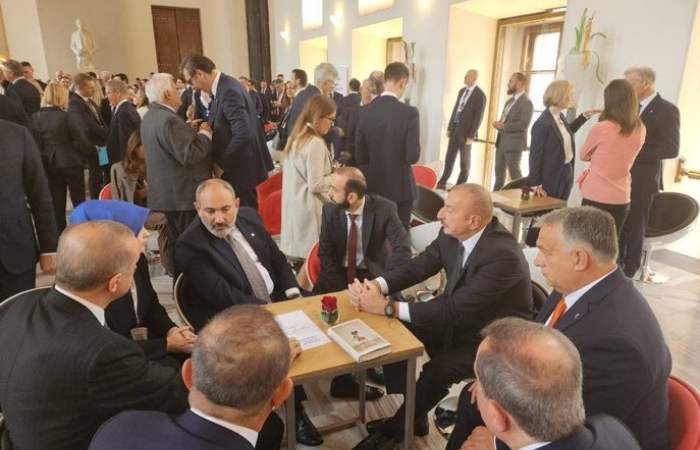
After hours of negotiations, with the mediation of European Council president Charles Michel, and French president Emanuel Macron, the leaders of Armenia and Azerbaijan , Nikol Pashinyan and Ilham Aliyev, have taken a historic step towards lasting peace. Both countries have recognised each other's territorial integrity and sovereignty, and committed to tangible steps to establish peace and stability in the region. President Macron tweeted early this morning "Tonight, Armenia and Azerbaijan confirmed their commitment to the Charter of the United Nations and the Alma Ata 1991 Declaration through which both recognize each other's territorial integrity and sovereignty." The four leaders held two long sessions of negotiations on the margins of the summit of the European Political Community which was launched at Prague Castle on Thursday afternoon (6 October). It is also understood that a number of other decisions were taken. It was agreed that the EU will deploy on the Armenian side of the Armenia-Azerbaijan border a civilian monitoring mission, for a period of two months starting from October.
Editor's choice
News
First Summit of the European Political Community opens in Prague

First Summit of the European Political Community opens in Prague

In the historic settings of Prague Castle, leaders from across Europe gathered on Thursday for the first summit of the European Political Community. Apart from the leaders of the 27 EU member states, leaders from non EU member states are also attending, including Albania, Armenia, Azerbaijan. Bosnia and Herzegovina, Georgia, Iceland, Kosovo, Liechtenstein, Moldova, Montenegro, North Macedonia, Norway, Serbia, Switzerland, Turkey, Ukraine and the United Kingdom With the dramatic consequences of Russia’s aggression war, EU leaders agreed during the European Council meeting in June 2022 to launch the European Political Community with the aim of bringing together countries on the European continent. The ambition is to bring leaders together on the European continent and to foster their cooperation on issues of common interest, revolving around peace and security, the economic situation, energy and climate, and migration and mobility. No formal written outcome of the European Political Community is envisaged. After the traditional family photo, the meeting kicked off with a round table discussion on peace and security in Europe. This story will be updated throughout the day.
Editor's choice
News
Leaders gather in Prague for first summit of European Political Community

Leaders gather in Prague for first summit of European Political Community

Leaders from across Europe have gathered at Prague Castle for the launch of the European Political Community. Apart from the leaders of the 27 EU member states, leaders from non EU member states are also attending, including Albania, Armenia, Azerbaijan. Bosnia and Herzegovina, Georgia, Iceland, Kosovo, Liechtenstein, Moldova, Montenegro, North Macedonia, Norway, Serbia, Switzerland, Turkey, Ukraine and the United Kingdom An unusual scene, even before the summit had started was of Armenian Prime Minister Nikol Pashinyan, Azerbaijan President Ilham Aliyev and Turkish President Recip Tayip Erdogan meeting informally before the opening of the summit. This story will be updated throughout the day.