Region

EU plus

Stories in this section cover the EU-27 countries plus the UK, Norway, Switzerland, Iceland, Liechtenstein, Monaco, Andorra and the Balkan Countries (Albania, Serbia, Montenegro, Bosnia-Herzegovina, Kosovo, North Macedonia).

Editor's choice
News
Germany accuses Russia of cyberattacks and disinformation campaign

Germany accuses Russia of cyberattacks and disinformation campaign

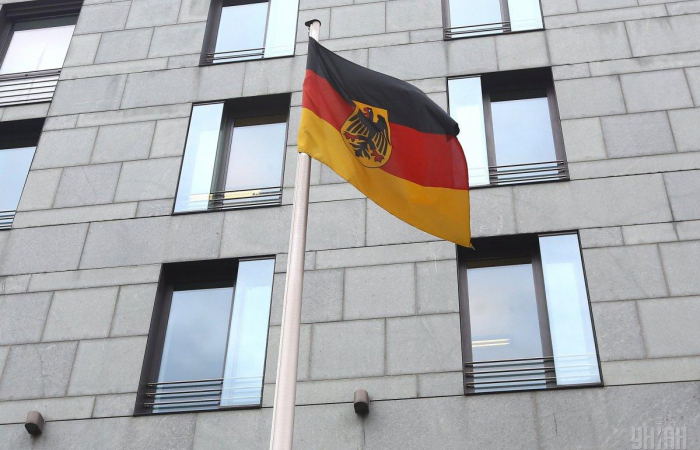
The German government holds Russia responsible for a cyberattack on German air traffic control, and for targeted disinformation campaigns before the last federal election. According to the German Foreign Office in Berlin, the incidents could be clearly attributed to the Russian military intelligence service, the GRU. In response, the Russian ambassador to Berlin was summoned to the Foreign Ministry. "We have been observing a massive increase in threatening hybrid activities by Russia for some time now," a spokesperson for the Foreign Ministry stated. These range from disinformation campaigns and espionage to cyberattacks and sabotage attempts. The aim is to divide society, sow distrust, and undermine confidence in democratic institutions. The spokesperson added that with these actions, Russia is "very concretely threatening our security, not only through its war of aggression against Ukraine, but also here in Germany."  The Foreign Ministry spokesperson explained that the cyberattack on air traffic control in August 2024 was clearly attributed to the hacker collective "APT28," known as "Fancy Bear," and to the responsibility of the Russian military intelligence service, the GRU. Furthermore, it could now be "conclusively stated" that Russia had attempted "to influence and destabilize both the last Federal election and the ongoing internal affairs of the Federal Republic of Germany." There was "absolutely irrefutable evidence" for this". The so-called "Storm 1516" campaign, which has been running since 2024, is allegedly backed by "reliable information" that the Moscow-based think tank "Center for Geopolitical Expertise" is behind it. The Center is also said to be supported by Russian military intelligence. Its primary aim is to influence democratic elections in the West. (Click the image to read more).
Editor's choice
News
NATO Chief says war is on Europe's doorstep, and warns against complacency

NATO Chief says war is on Europe's doorstep, and warns against complacency

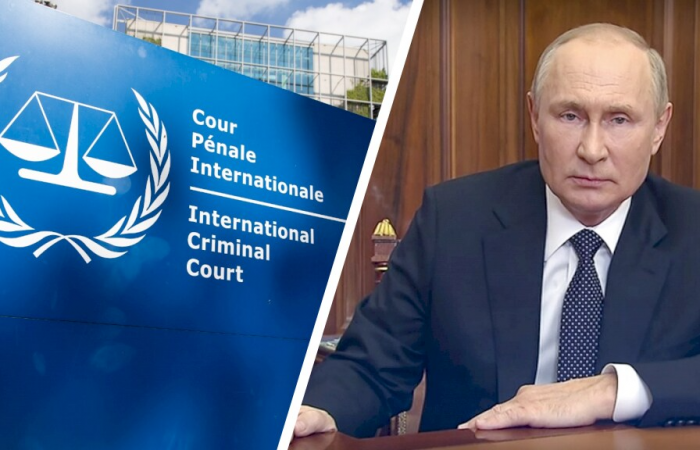
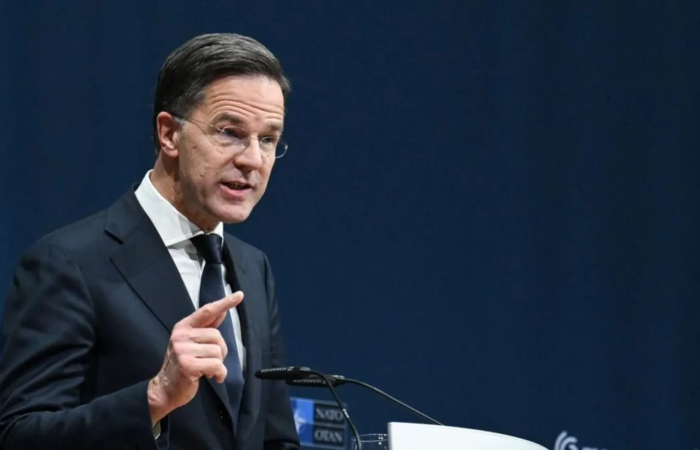
Russia could attack a NATO country within the next five years, the Secretary General of NATO, Mark Rutte, said in a stark new warning. "NATO's own defences can hold for now," Rutte warned in Berlin, but conflict was "next door" to Europe, and he feared "too many are quietly complacent, and too many don't feel the urgency, too many believe that time is on our side. "Russia is already escalating its covert campaign against our societies," Rutte said in a speech in Germany. "We must be prepared for the scale of war our grandparents or great-grandparents endured." Earlier this month, Russia's President Vladimir Putin said his country was not planning to go to war with Europe, but it was ready "right now" if Europe wanted to - or started a war. But similar reassurances were given by Moscow in 2022, just before 200,000 Russian troops crossed the border and invaded Ukraine. Putin has accused European countries of hindering US efforts to bring peace in Ukraine - a reference to the role Ukraine's European allies have recently played in trying to change a US peace plan to end the war, whose initial draft was seen as favouring Russia. But Putin was not sincere, Nato's secretary-general said in the German capital, Berlin. Supporting Ukraine, he added, was a guarantee for European security. "Just imagine if Putin got his way; Ukraine under the boot of Russian occupation, his forces pressing against a longer border with Nato, and the significantly increased risk of an armed attack against us." Russia's economy has been on a war footing for more than three years now - its factories churn out ever more supplies of drones, missiles and artillery shells. According to a recent report by the Kiel Institute for the World Economy, Russia has been producing each month around 150 tanks, 550 infantry fighting vehicles, 120 Lancet drones and more than 50 artillery pieces. The UK, and most of its Western allies, are simply not anywhere near this point. Analysts say it would take years for Western Europe's factories to come close to matching Russia's mass-production of weapons. "Allied defence spending and production must rise rapidly, our armed forces must have what they need to keep us safe," the Nato chief said.

Filter archive

Publication date
Editor's choice
News
EU concerned at situation in the Balkans amid tension between Kosovo and Serbia

EU concerned at situation in the Balkans amid tension between Kosovo and Serbia

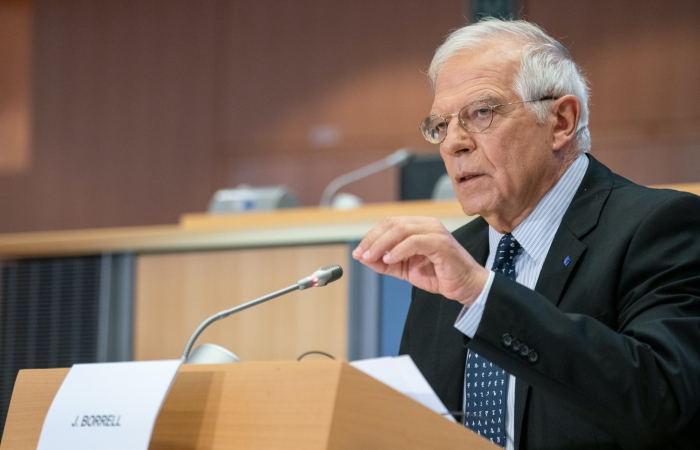
EU High Representative for Foreign and Security Policy, Josep Borrell, has expressed concern at recent developments in the Balkans amid increasing tensions between Kosovo and Serbia. Borrell, who is currently on an official visit to Abu Dhabi where he is participating in the 2022 Sir Bani Yas Forum, on Saturday (5 November) spoke with Serbian president Alexander Vucic and Kosovar Prime Minister, Albin Kurti. A statement issued later by the European Extern Action Service, said: "The recent developments in the relations between Kosovo and Serbia put years of hard work and achievements reached under the EU-facilitated Dialogue between Belgrade and Pristina at risk and hamper the security situation in the region and beyond. The European Union calls both sides to refrain from any unilateral actions, which might lead to further tensions.
Editor's choice
Monday Commentary
Monday Commentary: Why Central Asia matters

Monday Commentary: Why Central Asia matters

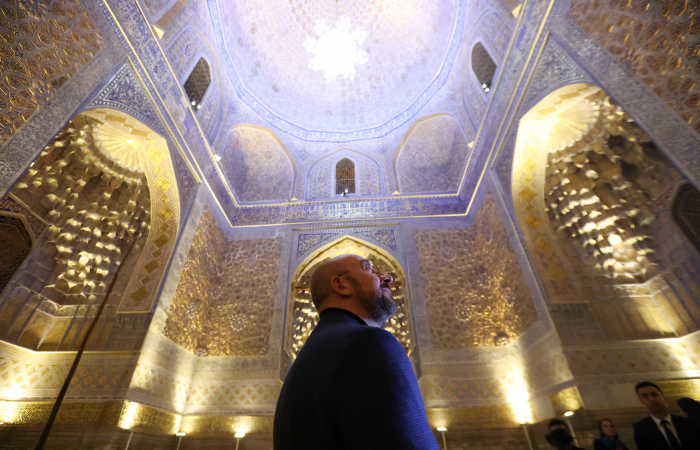
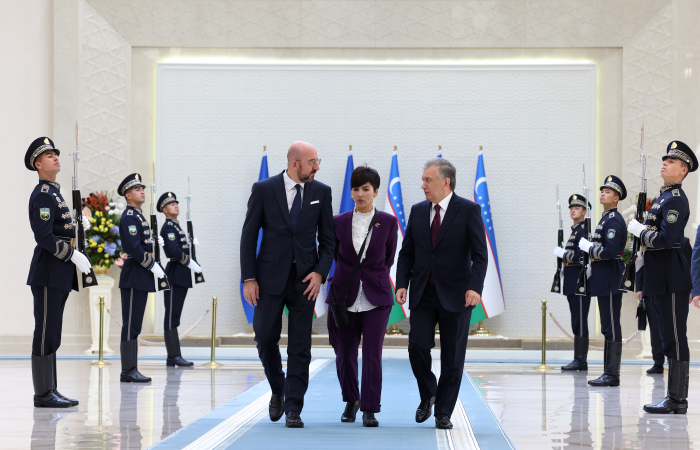
Very often, Central Asia is referred to as Russia’s back yard, even though today the region feels more like China’s front garden. But whilst the two “inseparable” friends, compete for influence and resources, the five Central Asian countries have set on a course to integrate themselves in global processes, break out of their geographic - and more importantly their geo-political constraints - and deliver better for their people. In this week's Monday Commentary on commonspace.eu, Dennis Sammut says that the Central Asian states have been reaching out to the EU and the US, whilst domestically some of them have embarked on deep reforms considered all but unimaginable until recently. The visit of European Council president Charles Michel to the region on 27-28 October marked a high point in a new phase in the relationship between the EU and Central Asia. In Kazakhstan, Michel not only met the Kazakh leadership, but also held a summit with the five Central Asian leaders in Astana, before travelling to Uzbekistan. For both the Central Asians and for the EU this is a watershed moment, and the beginning of a long journey. Europe’s approach to Central Asia needs to be respectful, both to the five countries themselves, and to their existing partners. Arrogance, even of the intellectual kind will simply backfire. But respect does not mean meekness. As a heavyweight in international relations, even if for the moment its economic weight dwarfs its political weight, the EU needs to approach Central Asia neither as a supplicant, nor as a benefactor, but simply as a reliable partner. Furthermore, this partnership needs to be diverse, multi-tiered and nuanced. It must take in relations with citizens, where Europe has much to offer both in terms of being a model, but also in terms of what it can share in areas such as education, innovation, youth welfare, women’s rights and diversity.
Editor's choice
News
Historic first EU-Central Asia regional high level meeting

Historic first EU-Central Asia regional high level meeting

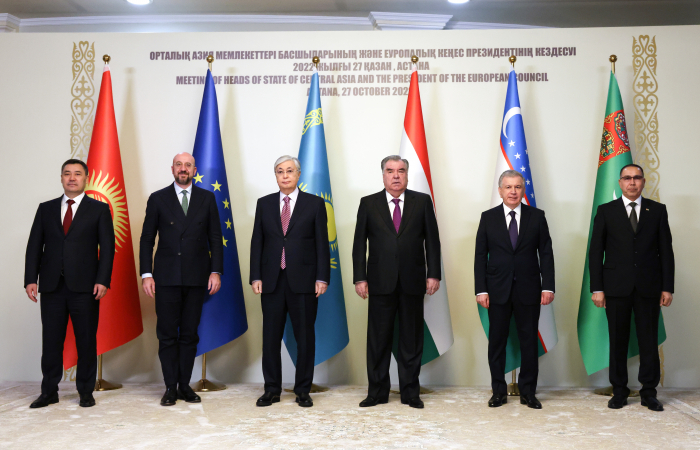
On 27 October 2022, President of the Republic of Kazakhstan Kassym-Jomart Tokayev, President of the Kyrgyz Republic Sadyr Zhaparov, President of the Republic of Tajikistan Emomali Rahmon, President of the Republic of Uzbekistan Shavkat Mirziyoyev and President of Turkmenistan Serdar Berdimuhamedov (represented by Turkmenistan's Deputy Chair of the Cabinet of Ministers) and President of the European Council Charles Michel welcomed the first regional high-level meeting in Astana. A joint statement issued after the historic meeting said that "in an open and friendly atmosphere of mutual respect and trust, the participants summarized the past period of multifaceted and mutually beneficial cooperation between Central Asian states and the EU and reaffirmed their commitment to continue building a strong diversified and forward-looking partnership underpinned by shared values and mutual interests. They reaffirmed their commitment to work together for peace, security, democracy, rule of law and sustainable development in full respect for international law. They expressed continued commitment to uphold the UN Charter, particularly the principles of respect for the independence, sovereignty, territorial integrity of all countries., non-use of force or threat of its use and peaceful settlement of international disputes." In the 30 years since the establishment of diplomatic relations between Central Asian States and the EU, interregional cooperation has advanced in many areas and sectors and serves as an example of a multilateral partnership for prosperity and sustainability.
Editor's choice
News
Rishi Sunak sworn in as new UK Prime Minister, after period of political turmoil

Rishi Sunak sworn in as new UK Prime Minister, after period of political turmoil

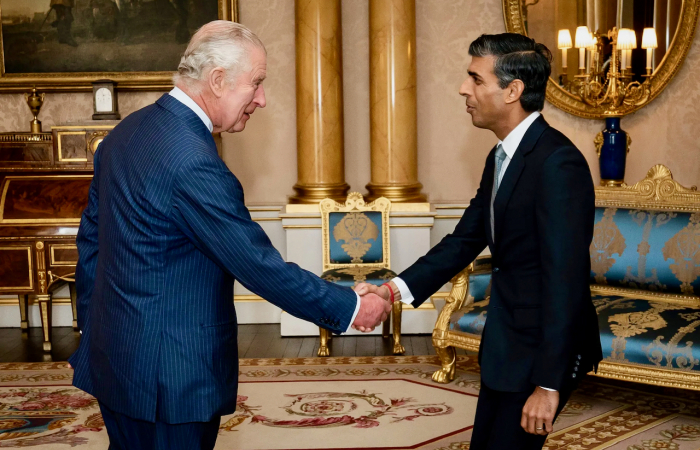
42-year-old Rishi Sunak was sworn in as the youngest UK Prime Minister in modern times on Tuesday (25 October), succeeding his party colleague Liz Truss as prime minister. He was mandated by King Charles III at Buckingham Palace to form a new government after Truss resigned today. In his first address as prime minister Sunak said that he wanted to unite the country and try to shore up the economy. "I will unite our country not with words, but with action. I will work day in, and day out to deliver for you. This government will have integrity, professionalism, and accountability at every level. Trust is earned and I will earn yours." Sunak said.
Editor's choice
News
EU monitors will arrive on the Armenia-Azerbaijan border within two weeks

EU monitors will arrive on the Armenia-Azerbaijan border within two weeks

It is expected that European Union monitors will arrive on the Armenian side of the Armenia-Azerbaijan border before the end of this month. An EU technical assessment mission arrived in Yerevan on Friday (14 October), and EU foreign ministers are expected to discuss the matter and endorse a mandate and a budget for the mission on Monday (17 October). A statement from the European External Action Service on Friday evening stated: Following the request by Armenia, an EU technical assessment mission has today arrived in Yerevan. The task of this mission is to prepare for the deployment of EU monitors to the Armenian side of the Armenia-Azerbaijan border later this month, in line with the agreement reached on the 6 October at the quadrilateral meeting between President Aliyev, Prime Minister Pashinyan, President Macron and President Michel. EU Member States will further discuss at the Foreign Affairs Council on Monday 17 October the proposal of High Representative Josep Borrell to deploy a monitoring mission, which will have as its primary aims contributing to stability and building confidence as well as supporting the work of the border commissions to improve security along the bilateral border.