As war in Ukraine rages and the confrontation between Russia and the West continues unabated, a growing number of experts are speaking of the beginning of Cold War 2.0, pitting the West against Russia, China, Iran, and North Korea, the so-called “Axis of upheaval.” As with the original Cold War, the new one covers many areas of the globe, including Asia-Pacific, Africa, and the Middle East. The former Soviet Union remains the heart of this confrontation, and the South Caucasus is no exception.
Strategically located between Russia, Turkey, and Iran, for the 25 years after the collapse of the Soviet Union the region was mainly the scene of competition between Russia and Turkey, with the first in the leading role. The last four years have brought significant changes in equilibrium. Azerbaijan transformed the status quo in the Nagorno-Karabakh conflict by defeating Armenia in the 2020 Nagorno-Karabakh War with the direct military involvement of Turkey. Russia sought to compensate for the growing influence of Turkey by deploying peacekeepers in Nagorno-Karabakh. However, as the war in Ukraine diverted Russian resources and attention, and Azerbaijan and Turkey became important for Russia (they have enabled sanctions evasion, and Baku allowed Russia to establish new transit routes reaching Iran), Azerbaijan used the momentum to launch a military takeover of Nagorno-Karabakh and force the displacement of Armenians in September 2023.
Russia’s failure to prevent the destruction of the Nagorno-Karabakh Republic fueled anti-Russian sentiment in Armenia, which was already on the rise after Russia and the Collective Security Treaty Organization (CSTO) failed to react to Azerbaijani aggression against Armenia in September 2022. This sentiment, coupled with the government's rhetoric of restoring Armenia’s sovereignty, increasing cooperation with the European Union, and transformative defense cooperation with India and France, has created an opportunity to start pulling Armenia politically and militarily away from Russia.
The cornerstones of such a development should be the signature of an Armenia–Azerbaijan peace agreement and normalization of Armenia–Turkey relations. As long as Armenia faces an aggressive Azerbaijan and Turkey makes signature of an Armenia–Azerbaijan peace agreement a precondition of Armenia–Turkey normalization, it will be highly challenging, if impossible, for Armenia to think about moving politically and militarily away from Russia.
Therefore anyone interested in enabling Armenia to decrease its dependency on Russia and bring tangible change to regional geopolitics in the South Caucasus, making Russia less influential, should call on Azerbaijan and Turkey to shift their agenda for Armenia. The critical factor here is Azerbaijan, for several reasons, including the personal relationship between President Aliyev and President Erdoğan, the business ties of the two presidents' inner circles, and Azerbaijani investments in the Turkish economy. Turkey has clearly articulated its position that it will not take any steps toward normalization with Armenia without an Armenia–Azerbaijan peace agreement first being signed. Thus President Aliyev holds the key not only to peace between Armenia and Azerbaijan but also to Armenia–Turkey normalization and significant geopolitical change in the region.
The Armenian government has taken steps to facilitate peace. It recognized Nagorno-Karabakh as part of Azerbaijan without even demanding autonomous status, accepted the post-September 2023 status quo, removed a section about Nagorno-Karabakh from government websites, and did not raise the issue of Armenians’ right of return in public discussion. In April 2024, Armenia accepted the Azerbaijani demand to withdraw from several areas along the Armenia–Azerbaijan border in Tavush without any guarantee that Azerbaijani troops would withdraw from Armenian territories they control as a result of 2021 and 2022 incursions. Prime Minister Pashinyan started a debate about the “historical and real Armenia,” arguing that Armenians should concentrate on building statehood within 29,743 square kilometers of Soviet Armenia and forget about any other territories, including Nagorno-Karabakh.
It appears that the Armenian government has done everything in its power to make it easier for Azerbaijan to sign a peace agreement with Armenia, pave the way for Armenia–Turkey normalization, and decrease Russian influence in the region.
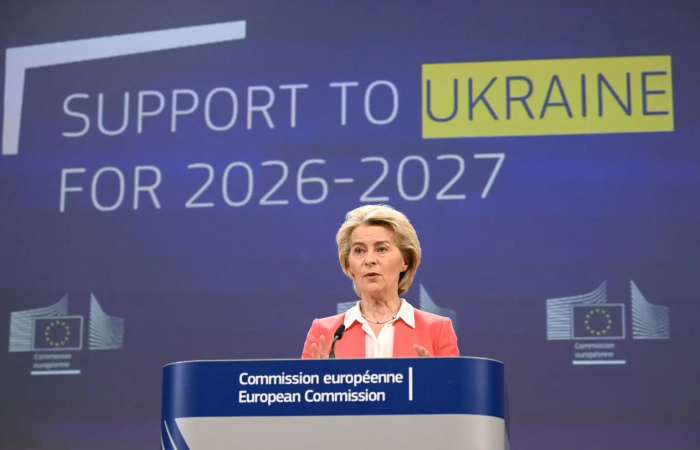
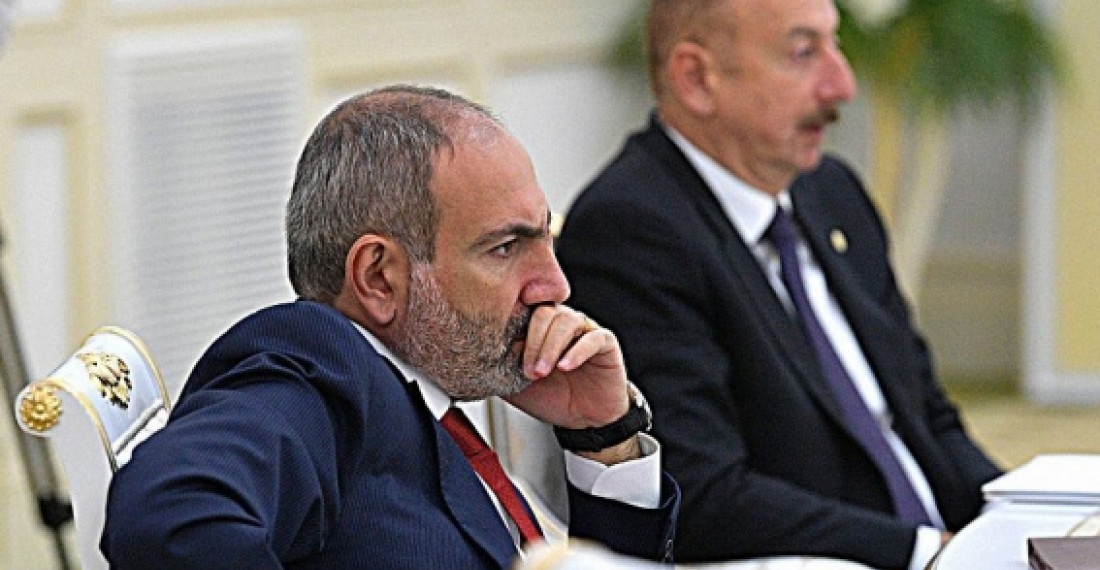
Yet, instead of using the unique opportunity presented by Pashinyan’s government, Azerbaijan opted to make new demands and impose fresh preconditions for peace with Armenia. These include changing the Armenian constitution and other laws, providing an extraterritorial corridor to Nakhichevan via Armenia, and recognizing what happened in Khojaly in February 1992 as genocide. Further, Azerbaijan continues to push forward the agenda of Western Azerbaijan. President Aliyev does not intend to make a peace agreement with Armenia. After every concession by the Armenian government, he imposes new preconditions, making the negotiations a never-ending process. Simultaneously, Azerbaijan continues to flirt with Russia. During his meeting with President Putin on April 22, 2024, President Aliyev stated that “Russia is a fundamental country regarding regional security in the Caucasus.” Azerbaijan supports the Russian vision of a 3+3 regional cooperation platform in the South Caucasus, repeating the Russian narrative that extra-regional powers obstruct the peace process. Azerbaijan echoed Russia’s criticism of the EU observer mission in Armenia and the April 5, 2024, Brussels meeting between Prime Minister Pashinyan, US Secretary of State Blinken, and President of the European Commission von der Leyen. After the events of September 2023, Azerbaijan undermined Western platforms of negotiations with Armenia, refusing to take part in meetings in Brussels and Washington, which is good news for Russia. Thus, Azerbaijan and Russia share the goal of reducing Western influence and presence in the South Caucasus.
Azerbaijan is actively engaging with Russia and Iran to launch a direct connection between them via Azerbaijan, a vital link for Russia to reach Iran and Southeast Asia in its efforts to deepen economic cooperation with non-Western countries. Thus, Azerbaijan is effectively undermining the process of Armenia–Azerbaijan and Armenia–Turkey normalization. This policy not only prevents the establishment of peace in the region but also hinders Armenia's efforts to move away from Russia.
The assessment of Azerbaijan’s regional strategy suggests that Azerbaijan is interested only in maintaining Russia’s position as the most influential player in the region and preventing the growth of a Western presence. If the EU and the US want to decrease Russia’s influence in the area, they should reach out to Azerbaijan and Turkey and warn them about the consequences of such an agenda. They also should increase pressure on Azerbaijan to use the momentum for finalizing a comprehensive peace agreement with Armenia and to stop derailing the process by putting forward never-ending demands.