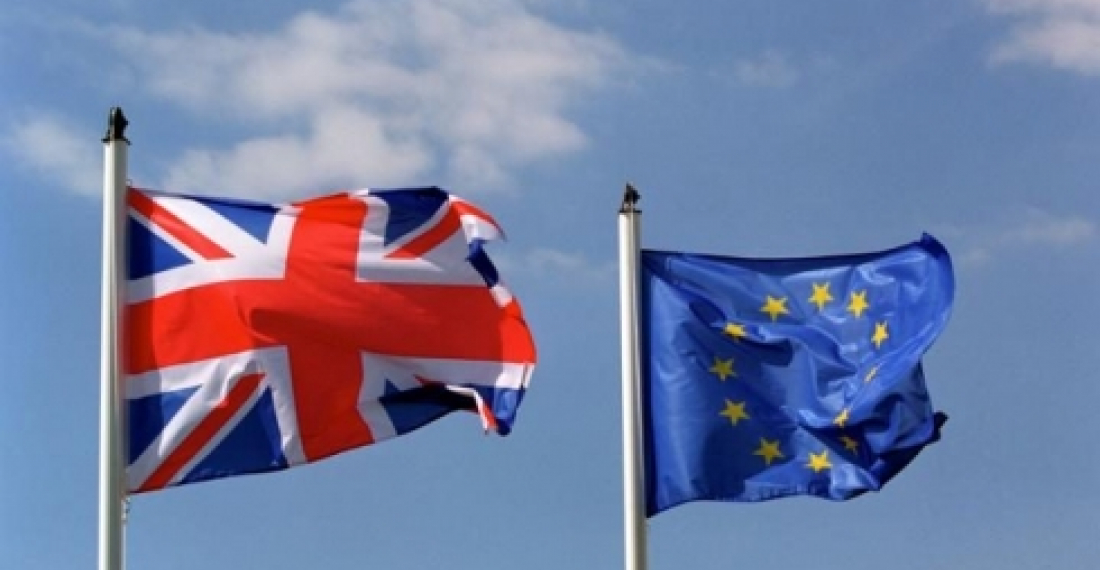
Britain votes to leave the European Union

Britain has voted to leave the European Union. The decision is expected to have deep and long term impacts on both the United Kingdom and the European Union.

In a referendum held on Thursday 33,577,342 people cast their vote, and of these 17,410,742 voted to leave, whilst 16,141,241 voted to remain.

The decision is a serious blow to Prime Minister David Cameron who actively campaigned in favour of remain despite strong support for leave within his ruling Conservative Party. All the leaderships of the other UK Political parties, except UKIP, also supported the remain vote. Despite this a large number of voters defied the advice of their political leaders amid concerns on immigration and economic decline.

Political observers consider the British decision as one of the momentous events in post World War 2 European history, and opens a period of uncertainty for both the UK and the rest of Europe.

source: commonspace.eu

 

Related articles

Editor's choice
News
Trump still wants Greenland. "We have to have it", he insists.

Trump still wants Greenland. "We have to have it", he insists.

Donald Trump still wants Greenland. "We have to have it", the US president insists. He has sparked a fresh row with Denmark after appointing a special envoy to Greenland.   In response to a question from the BBC about the new role of Jeff Landry, the Republican governor of Louisiana, Trump said the US needed Greenland for "national protection" and that "we have to have it". Trump specifically mentioned Chinese and Russian ships as potential threats in the nearby seas. Greenland, home to about 57,000 people, has had extensive self-government since 1979, though defence and foreign policy remain in Danish hands. While most Greenlanders favour eventual independence from Denmark, opinion polls show overwhelming opposition to becoming part of the US. (click the image to read the full story).

Popular