


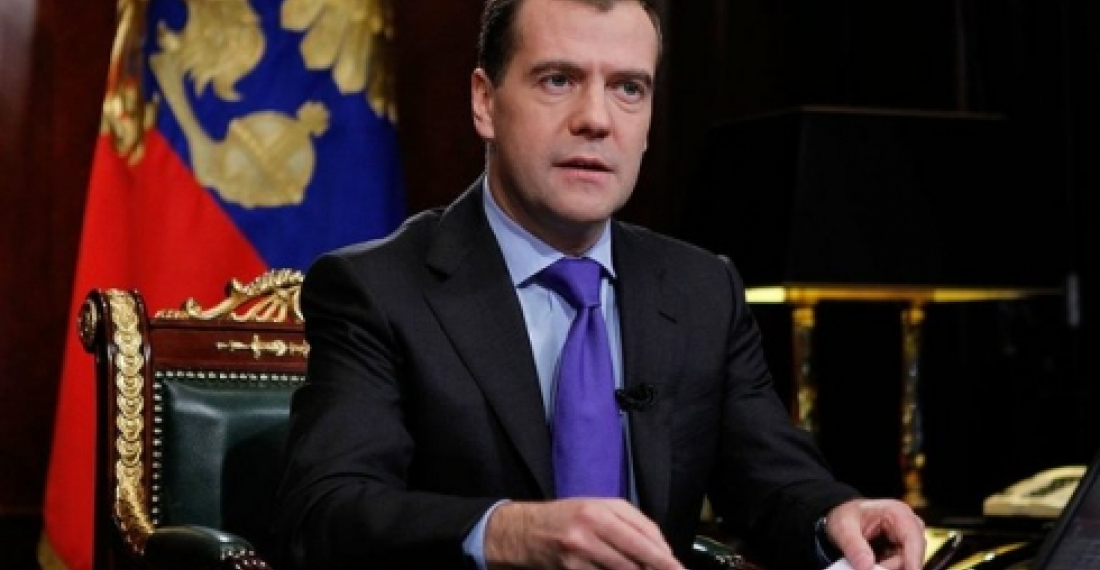
Medvedev appeals to voters amidst concerns in the ruling party that it has become fashionable for young people to vote for opposition

The Russian President Dimitri Medvedev has made a last minute televsied appeal to voters to participate in the elections for the State Duma that will be held on Sunday. He described the elections as "people's power".

The President in a final appeal said "I therefore call on you to make the right choice on December 4. Vote for those who you believe will look after your interests, understand the economy, have experience in overcoming crisis situations, are capable of defending our homeland and preserving it for our children, understand you well, and speak to you the truth. Vote for those you believe in. Vote for Russia's future!".

Russian media has been speculating in the last days before the poll about the decline in the popularity of the ruling United Russia party, especially amongst young people. A correspondent from Russia Profile wrote that voting for opposition parties has become increasingly fashionable amongst the millions of young voters who will be casting their ballot for the first time.

"It has been a difficult election season for the party of power. Amidst a steady decline in its ratings, a string of public embarrassments and, in general, growing discontent over the current political situation, United Russia has never seemed quite so vulnerable. The lion's share of criticism has come from the internet, the consummate meeting place for a generation of young, educated and increasingly disenchanted youth who voice their concerns (or the latest anti-establishment jokes) through outlets such as LiveJournal, VKontakte and Twitter", he added.

This morning's Moscow Times said that "as Sunday's State Duma vote draws near, the plot thickens. A string of incidents this week has led observers to believe that the Kremlin is extremely nervous about the waning popularity of the country's leaders, manifested in dwindling support for United Russia".

source: commonspace.eu with Moscow Times, Ria-Novosti and Kremlin.ru

photo: President Medvedev in a televised address on the eve of the Parliamentary elections (picture courtesy of Kremlin.ru)
Related articles

Editor's choice
News
Donald Tusk: "One for all, and all for one! Otherwise we are finished."

Donald Tusk: "One for all, and all for one! Otherwise we are finished."

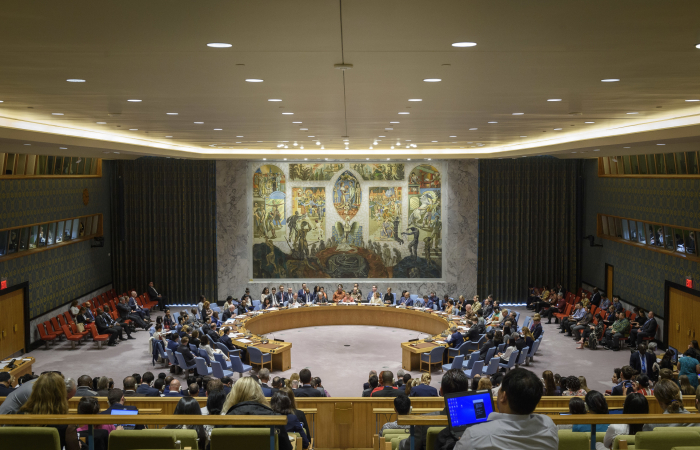
Europe is rattled by events in Venezuela, and there are serious concerns that US disregard for international law may have consequences close to home.  The BBC diplomatic correspondent, James Landale, said, the question is how Europe may respond in the longer term to America's military operation in Venezuela. Will it provide a catalyst for the continent to take greater responsibility for its own security in the face of so much instability from what many see as an unreliable ally? Polish prime minister, Donald Tusk, appears to have answered the question, saying on social media: "No-one will take seriously a weak and divided Europe: neither enemy nor ally. It is already clear now. "We must finally believe in our own strength, we must continue to arm ourselves, we must stay united like never before. One for all, and all for one. Otherwise, we are finished." The US seizing of Venezuela's leader has faced strong criticism from both America's friends and foes at an emergency meeting of the United Nations Security Council, held on Monday, 5 January. Many member states agreed with the US that Nicolás Maduro had been an illegitimate and repressive leader. But many also condemned the US military action as a breach of international law and the UN Charter, and they demanded a democratic transition that reflected the will of the Venezuelan people. (click the image to read the full article).

Popular

Editor's choice
News
Donald Tusk: "One for all, and all for one! Otherwise we are finished."

Donald Tusk: "One for all, and all for one! Otherwise we are finished."

Europe is rattled by events in Venezuela, and there are serious concerns that US disregard for international law may have consequences close to home.  The BBC diplomatic correspondent, James Landale, said, the question is how Europe may respond in the longer term to America's military operation in Venezuela. Will it provide a catalyst for the continent to take greater responsibility for its own security in the face of so much instability from what many see as an unreliable ally? Polish prime minister, Donald Tusk, appears to have answered the question, saying on social media: "No-one will take seriously a weak and divided Europe: neither enemy nor ally. It is already clear now. "We must finally believe in our own strength, we must continue to arm ourselves, we must stay united like never before. One for all, and all for one. Otherwise, we are finished." The US seizing of Venezuela's leader has faced strong criticism from both America's friends and foes at an emergency meeting of the United Nations Security Council, held on Monday, 5 January. Many member states agreed with the US that Nicolás Maduro had been an illegitimate and repressive leader. But many also condemned the US military action as a breach of international law and the UN Charter, and they demanded a democratic transition that reflected the will of the Venezuelan people. (click the image to read the full article).

