Theme

Diplomacy

Editor's choice
News
Germany accuses Russia of cyberattacks and disinformation campaign

Germany accuses Russia of cyberattacks and disinformation campaign

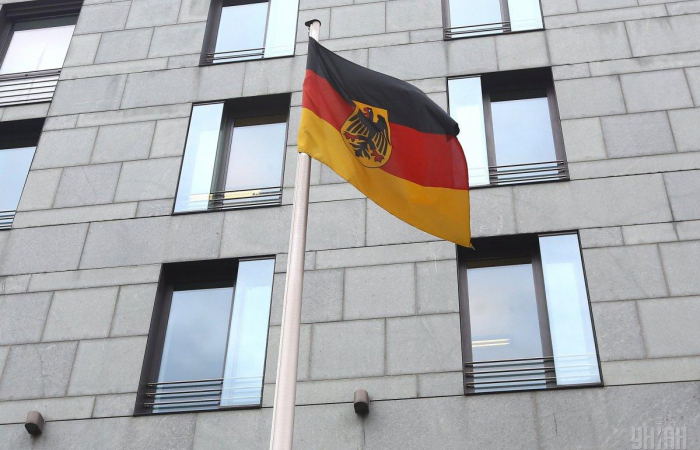
The German government holds Russia responsible for a cyberattack on German air traffic control, and for targeted disinformation campaigns before the last federal election. According to the German Foreign Office in Berlin, the incidents could be clearly attributed to the Russian military intelligence service, the GRU. In response, the Russian ambassador to Berlin was summoned to the Foreign Ministry. "We have been observing a massive increase in threatening hybrid activities by Russia for some time now," a spokesperson for the Foreign Ministry stated. These range from disinformation campaigns and espionage to cyberattacks and sabotage attempts. The aim is to divide society, sow distrust, and undermine confidence in democratic institutions. The spokesperson added that with these actions, Russia is "very concretely threatening our security, not only through its war of aggression against Ukraine, but also here in Germany."  The Foreign Ministry spokesperson explained that the cyberattack on air traffic control in August 2024 was clearly attributed to the hacker collective "APT28," known as "Fancy Bear," and to the responsibility of the Russian military intelligence service, the GRU. Furthermore, it could now be "conclusively stated" that Russia had attempted "to influence and destabilize both the last Federal election and the ongoing internal affairs of the Federal Republic of Germany." There was "absolutely irrefutable evidence" for this". The so-called "Storm 1516" campaign, which has been running since 2024, is allegedly backed by "reliable information" that the Moscow-based think tank "Center for Geopolitical Expertise" is behind it. The Center is also said to be supported by Russian military intelligence. Its primary aim is to influence democratic elections in the West. (Click the image to read more).
Editor's choice
Opinion
Opinion: A sustainable peace requires consistent long-term European involvement

Opinion: A sustainable peace requires consistent long-term European involvement

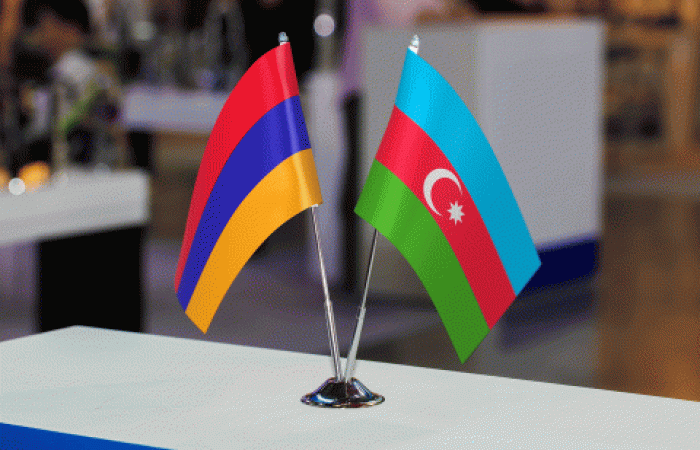
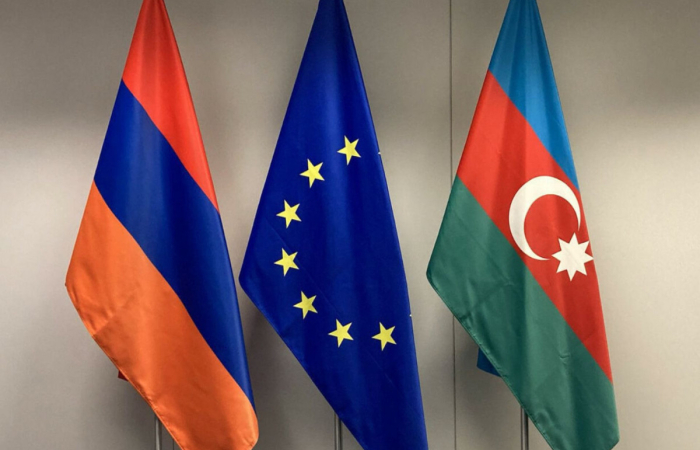
There is no denying that the EU, especially key member states acting in support, helped bring Baku and Yerevan closer to the Washington Declaration of August 8, 2025. But a declaration is not a treaty. Turning principles into a peace deal and eventually to a sustainable peace requires consistent long-term European involvement, writes Yalchin Mammadov in this-op-ed for commonspace.eu Before facilitating trust between Armenia and Azerbaijan, the EU is first expected to address its own credibility gap with Baku. A more balanced approach—such as including Azerbaijan, alongside Armenia, in the European Peace Facility—could be a useful first step. Diplomats can negotiate peace; societies must build peace. In this context, the EU can do what it does the best: long-term societal engagement. By expanding youth and academic exchange programmes, investing in cross-border civil society initiatives, and fostering people-to-people cooperation, Brussels can help shape a new generation equipped to sustain peace beyond political cycles. Such tools are slow and unglamorous, but if ignored, even the strongest treaty risks collapse. And obviously, these aspects require two-way engagement and genuine willingness by both governments to facilitate contact. If Brussels wants to remain influential, it needs to replace outdated one-size-fits-all policies with ambitious, interest-driven and differentiated approaches. Without a clear regional strategy, which appears to be the current situation, the South Caucasus will continue to sit at the margins of Europe’s security architecture—leaving space for other powers to take the lead. (You can read the op-ed in full by clicking the image.)

Filter archive

Publication date
Editor's choice
Analysis
Analysis: New Syrian Government moves to end years of isolation by emphasising inclusivity

Analysis: New Syrian Government moves to end years of isolation by emphasising inclusivity

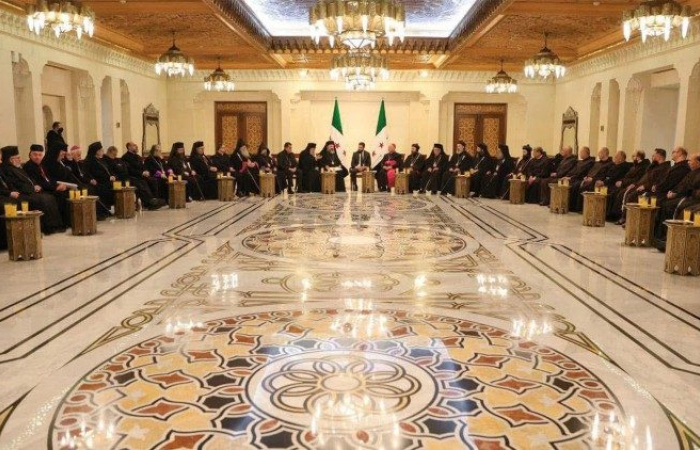
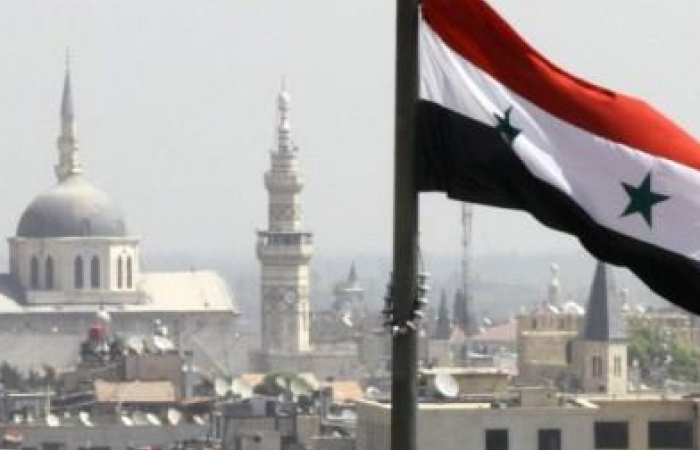
The new Syrian government may have come to power last month brandishing a jihadist label, but its leader Ahmad al-Sharaa, also known as Abu Mohammed al Jilani is determined to emphasise its inclusive approach particularly as regards the country’s large Christian population. The Baathist regime of al-Assad had for long instilled a fear within this community in case there is an Islamist victory. Moving to quash this fear, which had also been predominant in Western circles, Ahmed al Shara met on New Year's Eve with leaders from the Christian communities, to wish them a merry Christmas and a peaceful New Year and to assure them that the new Syria will be inclusive. Among those present were leaders from the Franciscan Friars of the Holy Land who under an old catholic tradition lead Christians across the Levant.
Editor's choice
Opinion
Opinion: Georgia’s political turmoil - a view from Baku

Opinion: Georgia’s political turmoil - a view from Baku

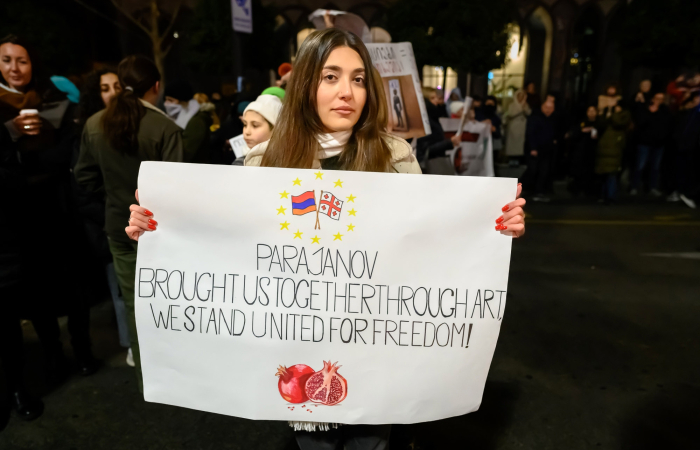
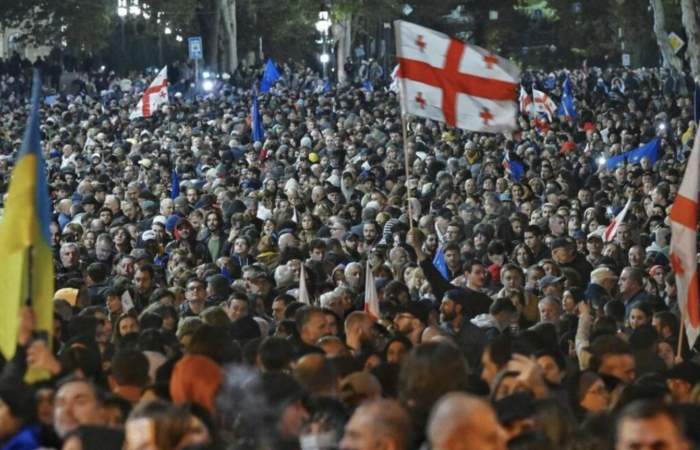
The ongoing protests in Georgia, which erupted one month after the parliamentary elections and triggered by the Georgian Dream government’s announcement to suspend the EU accession process, are sending ripples across the entire South Caucasus, and regional countries fear it could snowball into wider instability. For Baku, a stable Georgia has always been central to its regional strategy, serving as a reliable partner and a critical gateway to international markets. Consequently, for the  Azerbaijani leadership maintaining the status quo is critical to prevent chaos in a region that is already subject to strong volatility. At the same time, a Georgian government that would shift away from its Western partners may not necessarily be in Azerbaijan's long-term interest.
Editor's choice
Opinion
Opinion: Elections in Georgia Highlight Ethnic Minority Exclusion and Frustration

Opinion: Elections in Georgia Highlight Ethnic Minority Exclusion and Frustration

After the controversial victory of the ruling party in Georgia’s parliamentary elections on October 26, it initially appeared as though the opposition was in disarray. Many observers expected widespread protests and a dramatic confrontation between the two sides, but that did not materialise straight away. Instead, two days later, a solitary protest took place, drawing no more than 19,000 participants that appeared downtrodden and forlorn.
Editor's choice
News
Poland takes over presidency of the European Union after a stormy six month Hungarian Presidency

Poland takes over presidency of the European Union after a stormy six month Hungarian Presidency

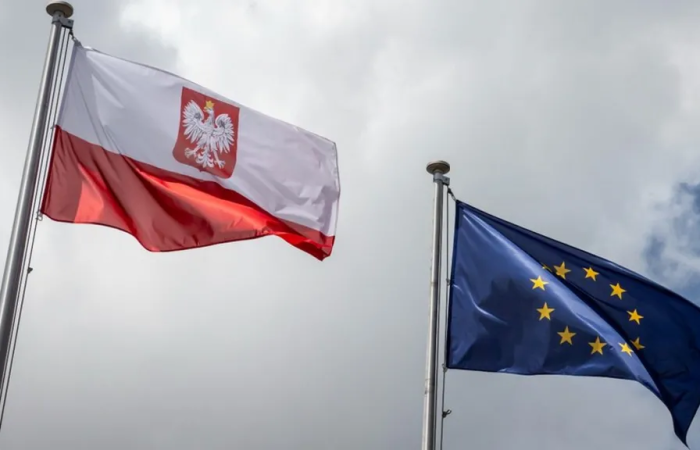
Poland on Wednesday(1 January) took over the Presidency of The European Union for a period of six months ending a stormy six month Hungarian presidency that often left the member states dismayed, frustrated and angry. Poland is ready to lead Europe towards security and economic competitiveness, Polish Prime Minister Donald Tusk said in Brussels just before Christmas. Coming after Hungary the Polish presidency is a symbol of change and great hope of the entire EU for a democratic and secure future of the continent.  Summing up the Polish ambitions prime minister Tusk said I would very much like Poles, to give faith to the whole of Europe that a Europe free from corruption, free from threats, confident in its own strengths, helping those who need help, but also thinking very pragmatically about its own interests is possible. The Hungarian presidency of the Council of the EU began with an unexpected visit by Prime Minister Victor Orban to Moscow and ended with, among other things, a declaration of Hungary's lack of support for the extension of sanctions against Russia.
Editor's choice
Analysis
Analysis: The future of Syria: a new battleground for influence

Analysis: The future of Syria: a new battleground for influence

On Sunday December 8th the long-ruling Syrian president Bashar al-Assad fled the country, ultimately giving up power to the Syrian rebel group Hayat Tahrir al-Sham (HTS). The day marked the end of the 61 years long authoritarian regime, started by Bashar’s father, Hafez al-Assad. The regime scared the Syrian population with regular instances of torture, mysterious disappearances and unlawful killings in cases of resistance against the ruler. Since the 2011 ‘Arab Spring’ protests that resulted in the rise of repression and a civil war, Syria’s economic and political landscape was completely ruined. Even though the long-awaited Assad’s fall is a time of celebration for many around the world, it is only the beginning of a long, demanding journey to rebuild the country from scratch.
Editor's choice
News
New President of Georgia sworn in: Outgoing President says he is not legitimate

New President of Georgia sworn in: Outgoing President says he is not legitimate

Mikheil Kavelashvili was sworn in as president of Georgia on Sunday as thousands of protesters gathered in the capital Tbilisi to demonstrate against his inauguration. Outgoing President Salome Zourabichvili, an opponent of the ruling Georgian Dream party said in a defiant speech to supporters outside the presidential palace that she was leaving the residence but that Kavelashvili had no legitimacy as president.
Editor's choice
Interview
Interview: Armenian Prime Minister Nikol Pashinyan discusses the prospects of a peace treaty with Azerbaijan

Interview: Armenian Prime Minister Nikol Pashinyan discusses the prospects of a peace treaty with Azerbaijan

In an interview with Armenpress Armenian Prime Minister Nikol Pashinyan discussed a number of critical aspects of the pending peace treaty with Azerbaijan. In his view, the Armenia-Azerbaijan peace treaty would gain superior legal force over Armenian laws and the topic of territorial demands would be closed forever. Prime Minister Pashinyan stated that the same would happen in Azerbaijan meaning that the signing of the peace treaty would practically dispel the concerns of both Armenia and Azerbaijan particularly in relation to their respective constitutions. The Prime Minister also noted that Armenia was not engaged in an arms race with any country but was acquiring armaments exclusively for defending Armenia’s borders and territorial integrity.
Editor's choice
Interview
Armenian Prime Minister Nikol Pashinyan discusses the prospects of a peace treaty with Azerbaijan

Armenian Prime Minister Nikol Pashinyan discusses the prospects of a peace treaty with Azerbaijan

In an interview with Armenpress Armenian Prime Minister Nikol Pashinyan discussed a number of critical aspects of the pending peace treaty with Azerbaijan. In his view, the Armenia-Azerbaijan peace treaty would gain superior legal force over Armenian laws and the topic of territorial demands would be closed forever. Prime Minister Pashinyan stated that the same would happen in Azerbaijan meaning that the signing of the peace treaty would practically dispel the concerns of both Armenia and Azerbaijan particularly in relation to their respective constitutions. The Prime Minister also noted that Armenia was not engaged in an arms race with any country but was acquiring armaments exclusively for defending Armenia’s borders and territorial integrity.