Region

Russia

Stories under this heading cover Russia, as well as countries in the eastern part of the European continent, such as Belarus, Ukraine, and Moldova.

Editor's choice
News
Germany accuses Russia of cyberattacks and disinformation campaign

Germany accuses Russia of cyberattacks and disinformation campaign

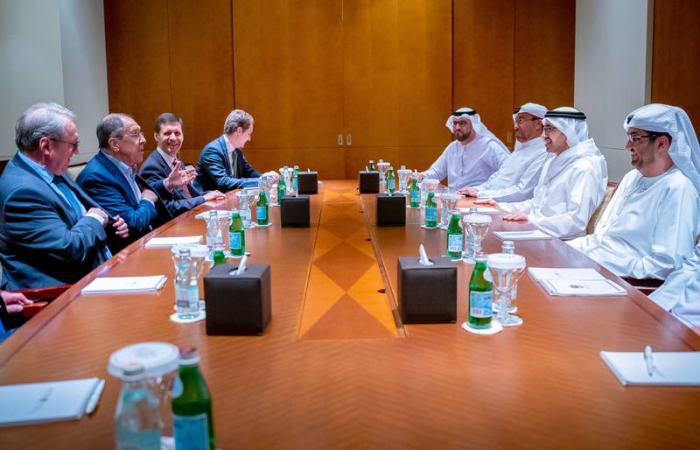
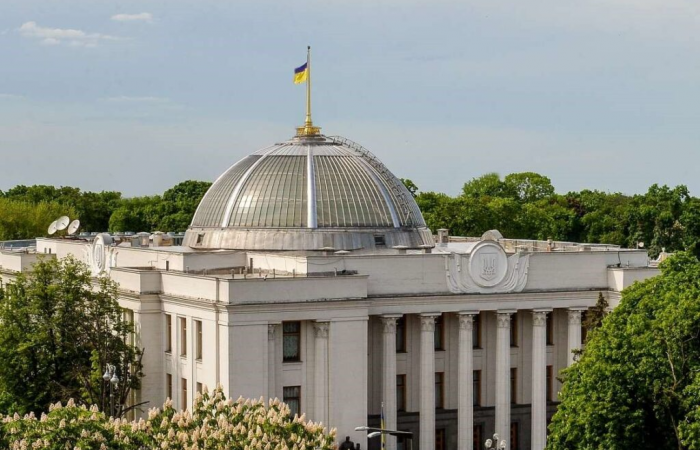
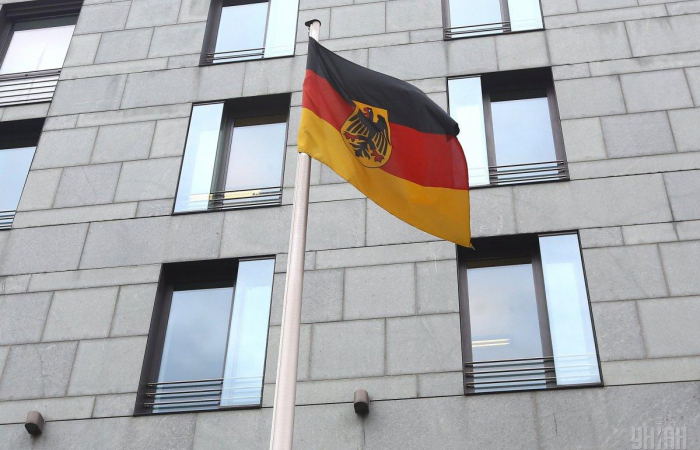
The German government holds Russia responsible for a cyberattack on German air traffic control, and for targeted disinformation campaigns before the last federal election. According to the German Foreign Office in Berlin, the incidents could be clearly attributed to the Russian military intelligence service, the GRU. In response, the Russian ambassador to Berlin was summoned to the Foreign Ministry. "We have been observing a massive increase in threatening hybrid activities by Russia for some time now," a spokesperson for the Foreign Ministry stated. These range from disinformation campaigns and espionage to cyberattacks and sabotage attempts. The aim is to divide society, sow distrust, and undermine confidence in democratic institutions. The spokesperson added that with these actions, Russia is "very concretely threatening our security, not only through its war of aggression against Ukraine, but also here in Germany."  The Foreign Ministry spokesperson explained that the cyberattack on air traffic control in August 2024 was clearly attributed to the hacker collective "APT28," known as "Fancy Bear," and to the responsibility of the Russian military intelligence service, the GRU. Furthermore, it could now be "conclusively stated" that Russia had attempted "to influence and destabilize both the last Federal election and the ongoing internal affairs of the Federal Republic of Germany." There was "absolutely irrefutable evidence" for this". The so-called "Storm 1516" campaign, which has been running since 2024, is allegedly backed by "reliable information" that the Moscow-based think tank "Center for Geopolitical Expertise" is behind it. The Center is also said to be supported by Russian military intelligence. Its primary aim is to influence democratic elections in the West. (Click the image to read more).
Editor's choice
News
NATO Chief says war is on Europe's doorstep, and warns against complacency

NATO Chief says war is on Europe's doorstep, and warns against complacency

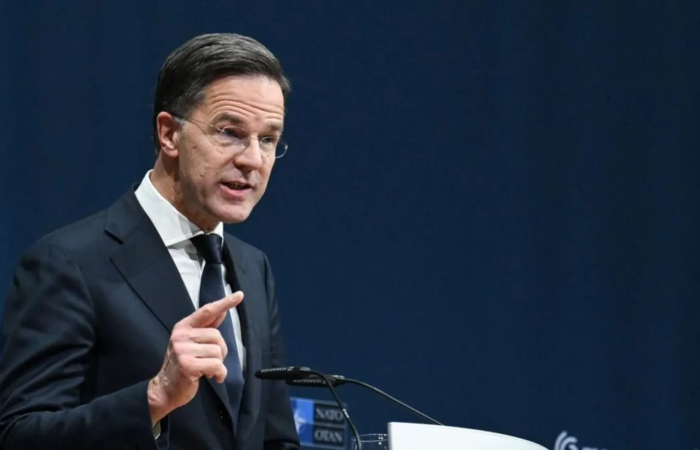
Russia could attack a NATO country within the next five years, the Secretary General of NATO, Mark Rutte, said in a stark new warning. "NATO's own defences can hold for now," Rutte warned in Berlin, but conflict was "next door" to Europe, and he feared "too many are quietly complacent, and too many don't feel the urgency, too many believe that time is on our side. "Russia is already escalating its covert campaign against our societies," Rutte said in a speech in Germany. "We must be prepared for the scale of war our grandparents or great-grandparents endured." Earlier this month, Russia's President Vladimir Putin said his country was not planning to go to war with Europe, but it was ready "right now" if Europe wanted to - or started a war. But similar reassurances were given by Moscow in 2022, just before 200,000 Russian troops crossed the border and invaded Ukraine. Putin has accused European countries of hindering US efforts to bring peace in Ukraine - a reference to the role Ukraine's European allies have recently played in trying to change a US peace plan to end the war, whose initial draft was seen as favouring Russia. But Putin was not sincere, Nato's secretary-general said in the German capital, Berlin. Supporting Ukraine, he added, was a guarantee for European security. "Just imagine if Putin got his way; Ukraine under the boot of Russian occupation, his forces pressing against a longer border with Nato, and the significantly increased risk of an armed attack against us." Russia's economy has been on a war footing for more than three years now - its factories churn out ever more supplies of drones, missiles and artillery shells. According to a recent report by the Kiel Institute for the World Economy, Russia has been producing each month around 150 tanks, 550 infantry fighting vehicles, 120 Lancet drones and more than 50 artillery pieces. The UK, and most of its Western allies, are simply not anywhere near this point. Analysts say it would take years for Western Europe's factories to come close to matching Russia's mass-production of weapons. "Allied defence spending and production must rise rapidly, our armed forces must have what they need to keep us safe," the Nato chief said.

Filter archive

Publication date
Editor's choice
News
"Today Kherson, tomorrow Sevastopol"

"Today Kherson, tomorrow Sevastopol"

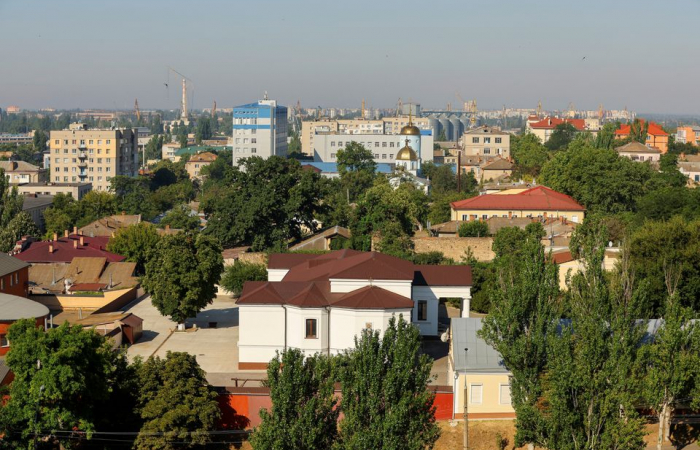
Russia's leadership has ordered its troops to withdraw from the Ukrainian city of Kherson. It was the only regional capital Russian forces were able to capture after invading in February. The news was welcomed cautiously in Ukraine, where the government said it will proceed carefully to avoid losses. Some commentators however are saying that it is the first step to forcing a complete Russian withdrawal from Ukrainian territory. "Today Kherson, tomorrow Sevatopol" is what many Ukrainians hope, referring to the port city on the Crimean peninsula. Russia's commander in Ukraine, Gen Sergei Surovikin, said on Wednesday (9 November) it was no longer possible to keep supplying the city. The withdrawal means Russian forces will pull out entirely from the western bank of the River Dnipro. The military's top brass announced the decision on Russian state TV, with Gen Surovikin reporting on the situation on the ground in Kherson. "In these circumstances, the most sensible option is to organise the defence along a barrier line along the river Dnipro," Gen Surovikin told the meeting. Russia's annexation of Kherson, and three other occupied regions, was announced with a lot of fanfare by president Putin at the end of September.
Editor's choice
News
In Sochi, leaders affirm committment to Prague principles but leave space for a role for Russia

In Sochi, leaders affirm committment to Prague principles but leave space for a role for Russia

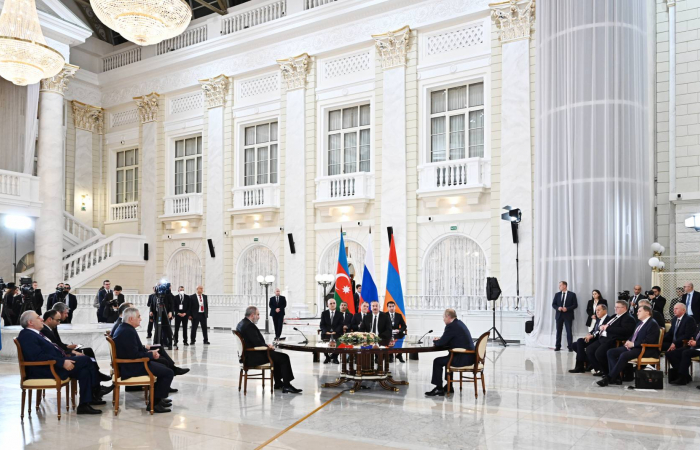
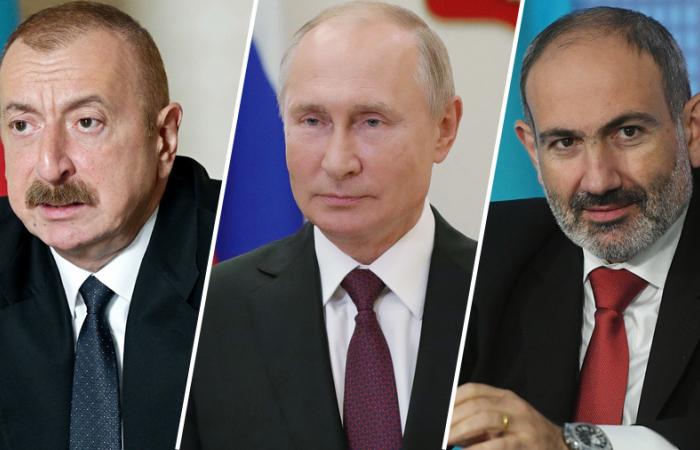
The president of Russia, Vladimir Putin, on Monday (31 October) hosted in Sochi the leaders of Armenia and Azerbaijan, prime minister Nikol Pashinyan and president Ilham Aliyev. Putin met separately with the two leaders, before hosting a two-hour trilateral meeting to discuss the current state of Armenia-Azerbaijan relations. The highly choreographed meetings in the grand settings of the Kremlin's summer residence in Sochi did not, it seems, result in the expectations that the Russian leader had of the sessions. After concluding the discussions only Putin made press comments, saying that they could not agree on many issues, but that he still felt that the meeting was "useful". The Russian president said that many elements that had been included in the draft of the statement prepared by the experts had to be deleted. In the joint written statement eventually issued at the end of the meeting, the three leaders touched upon the current state of Armenia-Azerbaijan relations, and the role of Russia. The statement appeared to endorse most of what was included in the Prague statement of 6 October 2022 between the president of the European Council, the president of France and the leaders of Armenia and Azerbaijan. The statement appeared to give a nod to a continuing Russian military force in Nagorno-Karabakh, and spoke about dialogue between representatives of societies.
Editor's choice
Opinion
Opinion: Balancing the mediators - Armenia and Azerbaijan should avoid offending Russia

Opinion: Balancing the mediators - Armenia and Azerbaijan should avoid offending Russia

Russia has become increasingly critical of western involvement in the Armenia-Azerbaijan conflict settlement process, writes Benyamin Poghosyan in this op-ed for commonspace.eu. "Armenia and Azerbaijan should take all necessary steps to avoid being trapped in Russia – West or US – Iran confrontation. The ongoing war in Ukraine proved that this scenario might have catastrophic implications for both states. It does not mean that negotiations should be stopped. However, the hectic moves to sign a US or EU-prepared agreement, which Russia may view as an attempt to kick it out from South Caucasus, may destabilize the situation and bring new war instead of peace. In this context, the possible option to not lose the momentum could be a signature of a document that will envisage the principles of the future peace agreement while providing more time to carefully draft a peace treaty based on the balance of interests of Armenia, Azerbaijan, and other actors."
Editor's choice
News
Russia holds first major nuclear drill since invasion of Ukraine

Russia holds first major nuclear drill since invasion of Ukraine

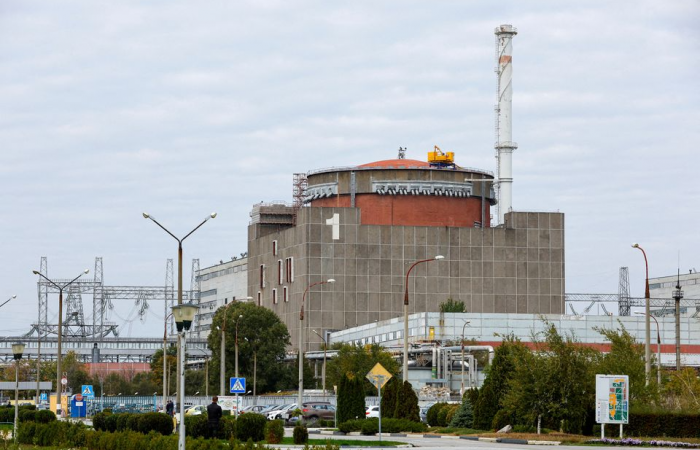
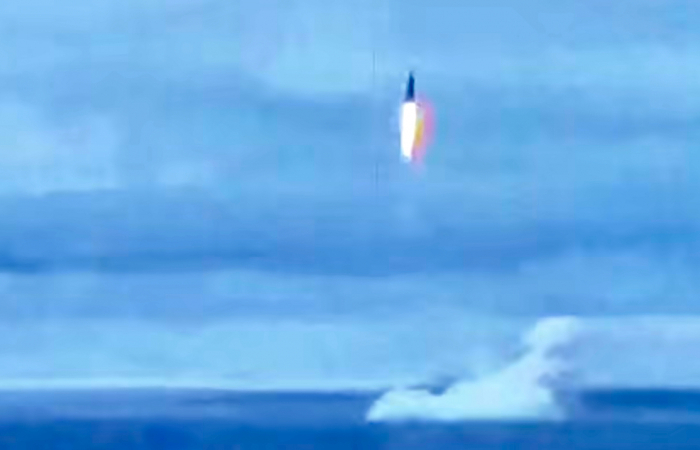
Russian armed forces conducted a major nuclear drill on Wednesday (October 26), the first since Russia launched its invasion of Ukraine in February. The last Russian nuclear drill took place five days before it invaded Ukraine. President Vladimir Putin monitored the drill from a control centre. The exercise, which Russia says is an "annual routine", worries western countries because Putin has hinted he may be ready to use nuclear weapons in Ukraine Russian Minister of Defence Sergei Shoigu called the drill a simulation of a “mass nuclear strike with strategic attack forces in response to a nuclear attack by our adversary”. According to Shoigu, the army practised a 'massive nuclear strike' in preparation for a possible nuclear attack by an enemy. The exercise included firing long-range cruise missiles at practice targets. The missile-carrying K-114 Tula submarine and two Tu-95 long-range strategic nuclear bombers were also used, the Kremlin reported. The missiles were fired from the Kamchatka Peninsula, in the far east of Russia. Cruise missiles from a nuclear-powered submarine were fired in the Barents Sea, in the north of Russia.
Editor's choice
News
Ukrainian parliament recognises independence of Chechnya

Ukrainian parliament recognises independence of Chechnya

In a move likely to create further animosity between Kyiv and Moscow, on Tuesday (18 October), the Ukrainian parliament, known as the Verkhovna Rada, recognised the independence of the Chechen Republic of Ichkeria, declaring it 'temporarily occupied by Russia'. The Rada also condemned the 'commission of genocide against the Chechen people'. The resolution reads: ‘We declare the recognition of the Chechen Republic of Ichkeria as temporarily occupied by the Russian Federation as a result of armed aggression committed in violation of the UN Charter’. The Ukrainian parliament also called on UN member states and international organisations to carry out an independent and impartial investigation into purported crimes committed in Chechnya over the last three decades, to 'ensure that the guilty are brought to justice'. Out of 351 members present, 287 voted for, and 0 voted against or abstained. The remaining 64 did not vote. Chechens have been playing a prominent role in the fighting in Ukrainian, with groups supporting either the Ukrainian government or Moscow.