Turkey's next Prime Minister will be the current Foreign Minister Ahmit Davutoglu He will succeed Recep Tayyip Erdogan who is expected to be sworn in as the first directly elected President of Turkey in a few days time.
The Central Executive Board of ruling Justice and Development Party (AKP) confirmed the decision after a meeting on Thursday (21 August). He will be formally endorsed as Chairman of the Party and Prime Minister designate at a Party Congress on 27 August.
Davitoglu will become Turkey's 26th prime minister following a procedural confidence vote at Parliament, where the AKP has a big majority, in early September.
A former professor of international relations, Davutoglu was appointed as Foreign Minister in 2009, despite not being a lawmaker at the time. He entered Parliament in 2011 as deputy for Konya; but his role in shaping Turkish foreign policy dates back to 2002 when he served as chief advisor to Prime Minister Erdogan and the then Foreign Minister Abdullah Gul.
Commonspace.eu political editor said in a comment that Davitoglu's nomination had been rumoured for some time, but the decision was never a foregone conclusion since there was a serious debate in the AK party about the leadership succession. Over the last decade however Erdogan has moulded the Party in his own image, and Davitoglu's nomination is due to no small measure to Erdogan's personal support. Davitoglu is seen as the candidate of the younger wing of the Party who want the movement to go the next stage in reshaping Turkey.
Davitoglu is also seen as a loyal supporter of Erdogan and will ensure that the outgoing Prime Minister will still remain influential in the Party, despite moving to the Presidential Palce in Cankaya. Davitoglu has also been a leading critic of the Gulen Movement, which the AK Party accuses of trying to usurp power through illegal influence in Turkey's governing institutions. Davitoglu is expected to be a popular leader within the Party, but non AKP supporters are worried at the prospect that conservative Muslims will now be holding both the post of President and Prime Minister.
No major changes are expected in Turkey's foreign policy in the short term since the Erdogan-Davitoglu team have been in control of foreign policy already for some time. Eventually however some new nuances may emerge, which may also relate to Turkley's relations with its neighbours in the South Caucasus and the Middle East. Davitoglu's book,"Strategic Depth," contains important hints about the foreign policy ideas that he has advocated as Foreign Minister, which will now assume even more importance.
source: commonspace.eu
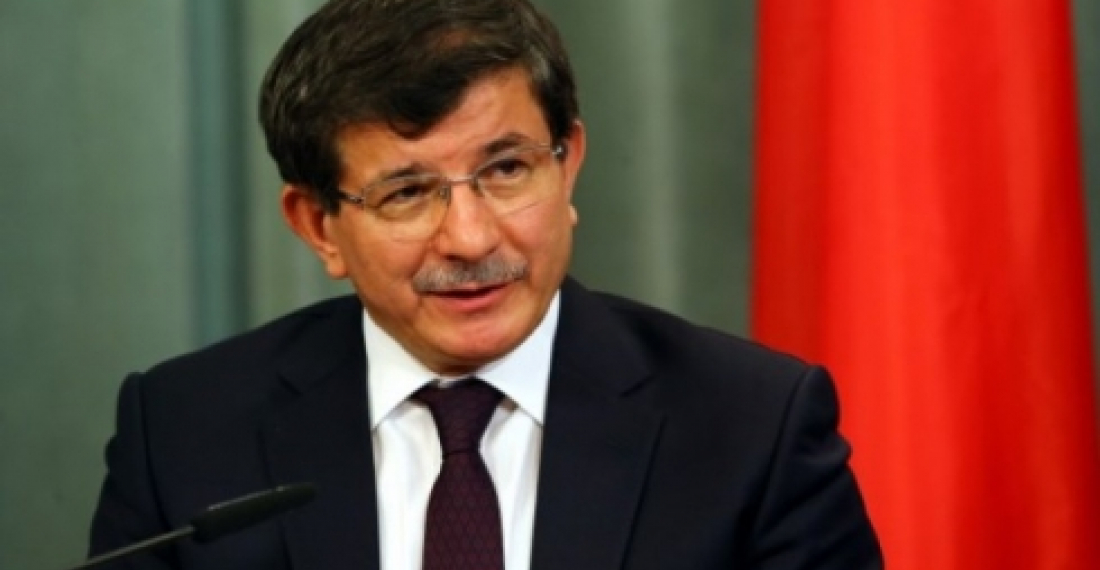
photo: Ahmit Davitoglu, the new Prime Minister of Turkey (archive picture).