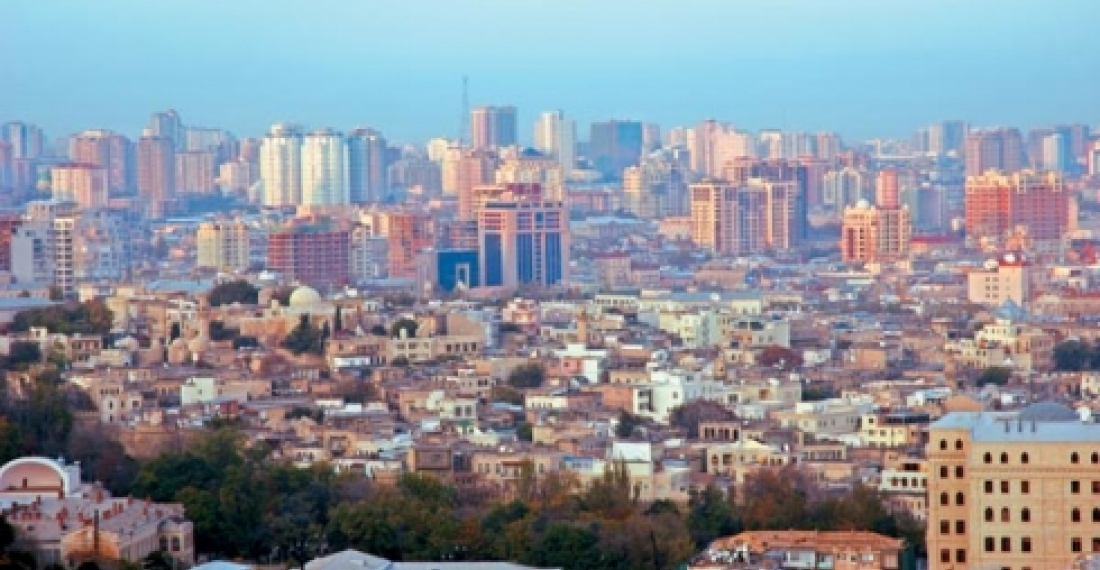
The historic "old town" areas of Tbilisi and Baku, and the not so old but specific centre of Yerevan are still there. They even got a well deserved and overdue facelift. But in the rest of the capitals of the South Caucasus and other major cities in the region whole districts have been bulldozed to make way for new developments.
President Saakashvili says that he wants to turn the Georgian ports of Batumi and Poti into a "new Dubai on the Black Sea". President Aliev does not say it, but many compare the mushrooming of new apartment blocks in Baku to the construction frenzy in Dubai. Some new apartment blocks even have the design of a "Dhow", the traditional Arabian boat that sails the Gulf, even though Bakians would have never seen one on the shores of the Caspian.
Most of this is progress, and is welcomed by local citizens. A lot of the housing being destroyed was sub standard. Yet progress is coming with a price. Whole communities are being uprooted. Many of the new apartments in the high rising tower blocks are too expensive for the average citizen. Mortgage schemes have been introduced but cater for only a very small amount of the demand.
There are also increasing demands on the municipal infrastructure. There are constant reports of problems with the sewage, water supply, gas and electricity in many areas. Public transport remains a problem and traffic jams are now part of daily life.
Bad planning and the greed of speculators have already turned some of these new developments into urban jungles. Even at this late stage tighter urban planning regulations need to be introduced. There is also a need to ensure that a new community spirit is created so that people are able to help each other, and so that the new urban jungles do not become the breeding ground for crime.
It is also important that the process to democratise local government and make it more accountable is speeded up.
The residents of the cities of the Caucasus are learning that new buildings on their own do not necessarily make better cities.
prepared by the editorial team of commonspace.eu
photo: new and old buildings in Baku