


This analysis was prepared for commonspace.eu by Varduhi Harutyunyan, a Senior Expert at the Orbeli Centre, in Yerevan, Armenia.
Armenia and Azerbaijan entered a decisive phase in the normalization of their relations in 2025, marked by the initialing of the Peace Treaty and the signing of the Washington Declaration. In January 2026, we witnessed significant progress regarding the TRIPP (Trump Route for International Peace and Prosperity) initiative, which plays an important role in establishing regional connectivity for both Armenia and Azerbaijan. Moreover, progress has been achieved in the implementation of the Washington Peace Summit outcomes, such as the start of bilateral trade, as well as the transit from third countries to Armenia through the territory of Azerbaijan.
The role of the United States and President Donald Trump personally was undoubtedly pivotal in these developments. In the aftermath of the 2020 44-day war, the European Union had also extended mediation efforts facilitated by European Council President Charles Michel, French President Emmanuel Macron and German Chancellor Olaf Scholz, but these initiatives failed to bring tangible results. At present, following the initialing of the peace agreement, the Armenia-Azerbaijan negotiations are proceeding through several tracks and have become largely bilateral in nature. This shift has effectively sidelined Russian mediation even on critical issues such as border delimitation and the unblocking of regional transport links. Consequently, the influence of the United States in these processes has been strengthened, while Russia’s role has declined, as Moscow’s resources are currently concentrated on the conflict in Ukraine and Russia seeks to avoid additional tensions with Washington over South Caucasus. Despite Moscow’s persistent offers to mediate, neither Armenia nor Azerbaijan appears inclined to return to Russian-led efforts, a stance influenced in part by the strained relations between Moscow and Baku following the crash of an AZAL aircraft in December 2024. In contrast to Russia, the European Union now possesses a significantly stronger opportunity to re-engage in the Armenia-Azerbaijan peace process.
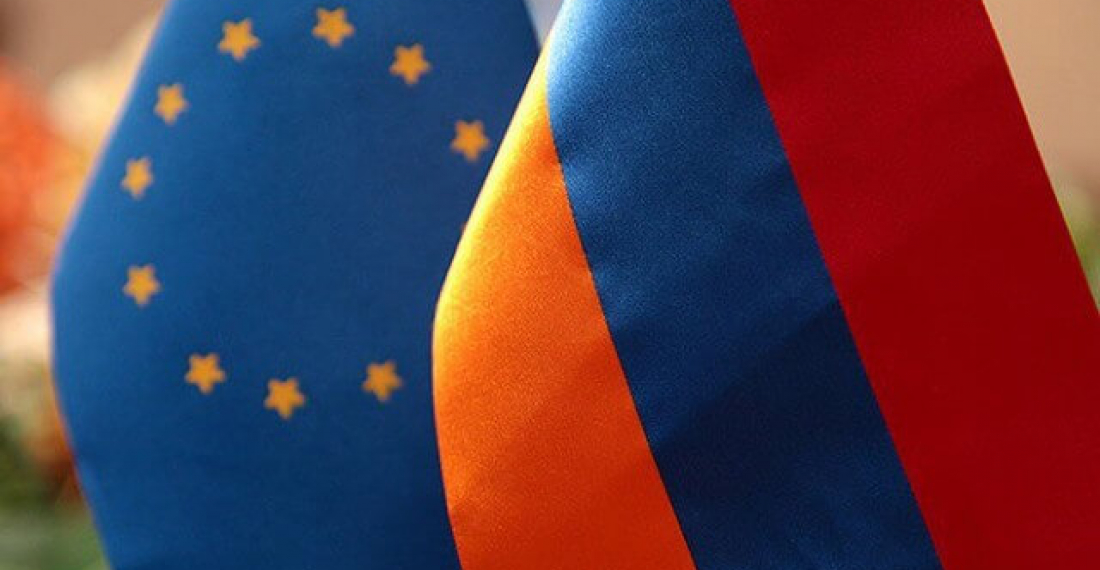
Armenia sees no major obstacles to the EU's involvement, as Yerevan is actively deepening its ties with the EU. In March 2025, the Armenian National Assembly adopted the Law on Launching the Accession Process of the Republic of Armenia to the European Union. Notably, last year the Armenia-EU Partnership Strategic Agenda was signed, advancing bilateral relations into a new, more ambitious phase. Generally, 2025 was an important year for Armenia–EU partnership, marked by other significant developments, such as the launch of Armenia–EU consultations on security and defense, the signing and entry into force of the Agreement establishing the framework for the participation of the Republic of Armenia in EU crisis management operations. Additionally, the mandate of the EU civilian mission was extended as a vital stability factor, alongside the active progression of the visa liberalization dialogue, a process the EU currently maintains exclusively with Armenia. In January 2026, the Council of the European Union adopted a decision to provide €20 million in assistance to Armenia under the European Peace Facility – a move that had previously faced delays due to disagreements stemming from Hungary's position.
Despite these developments, the European Union's political involvement in the Armenia-Azerbaijan process remains difficult to envision. As previously noted, the United States holds the lead in this area, maintaining its active engagement primarily through the TRIPP initiative and distinct lines of cooperation with both Armenia and Azerbaijan. For the US, progress in the Armenia-Azerbaijan settlement represents a “success story”, particularly within a broader regional context. Notably, while the US is reducing its financial commitments in various other regions, it has already pledged $145 million to TRIPP, that can potentially reach $400 million. As for the European Union, Brussels may consider involvement in other infrastructure projects and investment opportunities. Currently, the possibility of EU participation in the construction / renovation of the Nakhchivan railway is under active discussion. Recently, the EU and Azerbaijan agreed to launch a feasibility study for this project. The Armenian side is also engaged in discussions regarding the “continuation” of TRIPP and the construction or restoration of various infrastructures.
Another vital area is the intensification of peace-building efforts. While Armenia is keen on collaborating in this regard, Azerbaijan appears less inclined, placing greater emphasis on bilateral opportunities. However, given the importance of strengthening the EU's involvement in these processes, it is essential to maintain dialogue and reach a common consensus. The EU possesses extensive expertise in facilitating and successfully advancing dialogue between civil society and expert circles. This experience is undoubtedly more necessary for both Armenia and Azerbaijan today than during the active conflict, as there is a pressing need for deeper engagement between the two societies. Furthermore, new formats need not be restricted to experts and journalists but could encompass fresh and more ambitious directions.
For instance, Armenia and Azerbaijan have begun establishing certain economic ties. This sector is both new and ambitious for both nations. While the primary focus is set to be on the bilateral format between the respective Ministries of Economy, there is a clear need for a dedicated platform. Such a framework would allow business leaders and stakeholders from both countries to hold regular meetings, formalize agreements and engage economists to conduct sectoral research aimed at identifying mutual economic interests. In this context, the European Union’s role and institutional support could provide an essential framework for both parties.
Regarding the EU Mission in Armenia (EUMA), it is important to emphasize that Yerevan is highly interested in maintaining a European presence. There is a general understanding that following the signing and entry into force of the peace agreement, the mission’s mandate could be transformed. For instance, it could provide technical assistance for border management and support the capacity building of border guard services.
Generally, in any peace process, it is vital that the tangible results of peace are felt directly by the public and that ordinary citizens can perceive its benefits firsthand. Already today the European Union is implementing various projects in Armenia's provinces specifically aimed at delivering tangible improvements for the people. Following this model, similar initiatives could be launched within or between the border regions of Armenia and Azerbaijan, where local populations would receive direct benefits from the peace process. These could include collaborative efforts in areas such as water management, environmental protection and other sectors of mutual concern.
Speaking on the humanitarian component, it is important to note that EU assistance for individuals and families affected by the conflict, including displaced people from Karabakh, is highly valued in Armenia. Significant challenges remain regarding their full integration into society, addressing housing needs, stimulating employment opportunities and provision of psychological support, among other areas. Furthermore, for Armenia, it is crucial that the European Union continues to advocate for the release of Armenians held in Baku, viewing this as an essential element of the humanitarian dimension of the settlement.
Humanitarian issues are significant also for Azerbaijan. Through the Team Europe Initiative, the EU and its Member States are the primary contributors to humanitarian demining in Azerbaijan, with a total commitment of €23 million. However, from Baku's perspective, these figures remain insufficient, increasing the funding for demining operations is a matter of primary importance for Azerbaijan.
Overall, the European Union's engagement is equally advantageous for Azerbaijan. Through the normalization of relations with Armenia, Baku has gained an opportunity to enhance and deepen its ties with both the United States and the EU. Azerbaijan’s peace advocacy and certain initiatives are often directed toward external actors, primarily the EU and the US. Despite this, the Azerbaijani side frequently highlights Armenia's economic reliance on Russia, framing Yerevan as a state whose decisions are shaped by Moscow’s influence — a narrative that is both exaggerated and destructive. However, Armenia is currently demonstrating that its foreign policy decisions are made independently of Russian approval. Armenia is presenting itself to international partners through a strategy of diversifying its foreign, security and economic policies to achieve a strategic balance. Clear evidence of this policy includes the launch of practical steps regarding the TRIPP project and the consistent strengthening of its deepening partnership with the European Union.
As for Brussels, it is currently navigating a particularly complex geopolitical landscape, addressing the Trump administration's policies on global and bilateral issues, the ongoing developments in Ukraine and the urgent need to redefine its relations with China and India. From a Yerevan perspective, there is a sense that the European Union is still weighing its future interactions with other regional actors, seeking to understand how these global shifts will impact the South Caucasus and how best to position itself. Besides, the EU faces the challenge of accurately assessing the specific needs of both states and determining the most effective forms of support. It is crucial to highlight that the EU is often constrained by the need to maintain a delicate balance between the parties, a factor that can sometimes impede its deeper engagement in the region.
The extent of the European Union’s future involvement in the Armenia-Azerbaijan processes will equally depend on the strategic stances adopted by both Yerevan and Baku. The tools for a lasting settlement are within reach, however, the transition from fragile coexistence to a sustainable partnership will require a clear and consistent commitment not only from Armenia and Azerbaijan but also from international actors like the EU.
Source: This analysis was prepared for commonspace.eu by Varduhi Harutyunyan, a Senior Expert at the Orbeli Centre, in Yerevan, Armenia.
The views expressed in opinion pieces and commentaries do not necessarily reflect the position of commonspace.eu or its partners



