Theme

Elections

Stories related to democracy and electoral processes. 

Editor's choice
Monday Commentary
Monday Commentary: 2025 was a momentous year for the South Caucasus

Monday Commentary: 2025 was a momentous year for the South Caucasus

The year 2025 has ended up being a momentous year for the South Caucasus, writes Dennis Sammut in his Monday Commentary. Armenia-Azerbaijan relations have been redefined, with consequences for the whole region and beyond. That huge development overshadowed key moments in the domestic trajectory of the two countries, which however have deep consequences for the two countries, and even beyond. It has also been a tumultuous year for Georgia too. The country has been gripped in a political crisis throughout 2025, with no obvious end in sight. Whatever the domestic arguments, on the international stage Georgia is today a shadow of what it used to be until recently. It not only has lost the chance of joining the European Union any time soon, but it has also lost its position as the leading South Caucasus country. Today, in the new reality of the region, it lags as a tired third. Important as 2025 was, it ended with a lot of unfinished business. So 2026 will also be crucial for the three countries. Since regaining its statehood in 1991 after the dissolution of the Soviet Union, Armenia-Azerbaijan relations have been defined by war. The two fought open wars, wars of attrition, and propaganda wars, incessantly. Tens of thousands of people lost their lives, and hundreds of thousands were displaced. Many had lost hope that the two could try the alternative – i.e. peaceful co-existence. Yet in 2025 they were proven wrong.

Filter archive

Publication date
Editor's choice
News
Libya’s elections chief says the country is ready for December poll

Libya’s elections chief says the country is ready for December poll

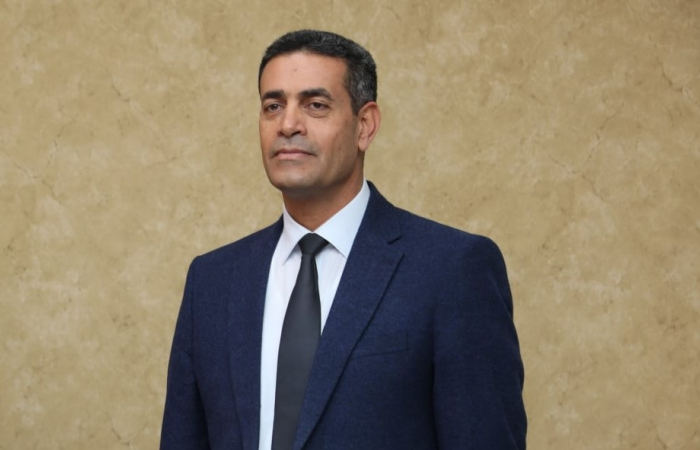
Imed al-Sayeh, head of Libya’s High National Elections Commission (HNEC), said that the country is “80 or 90 per cent ready” for the presidential, parliamentary elections. In additions, Libya's joint military commission (5+5) announced that it has prepared and approved an action plan to gradually, balanced and simultaneously remove all mercenaries and foreign fighters from the country. 
Editor's choice
News
Qatar holds its first ever legislative elections

Qatar holds its first ever legislative elections

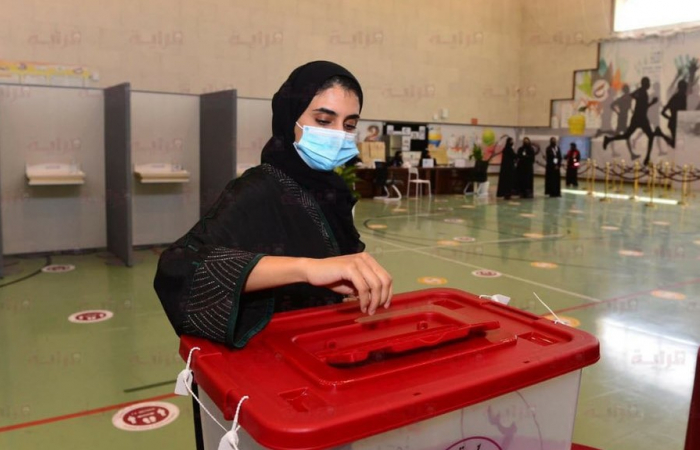
Qatar has concluded its first-ever elections for the Shura Council – a consultative assembly that helps the Emir draft legislature, monitor the ministerial performance and approve the national budget. Qataris voted for 30 members out of the 45 seat council. The other 15 members will be chosen directly by the Emir. 
Editor's choice
News
Georgia divided: results from local elections show the country split in half between government and opposition

Georgia divided: results from local elections show the country split in half between government and opposition

Results are coming in from local elections held in Georgia on Saturday, 2 October and it appears that the country is split in half between those supporting the ruling Georgian Dream party and others supporting opposition parties. Elections will have to go to a second round because none of the contestants secured the necessary 50% in the Mayoral elections five self-governing major cities: Tbilisi, Kutaisi, Batumi, Poti and Rustavi.
Editor's choice
News
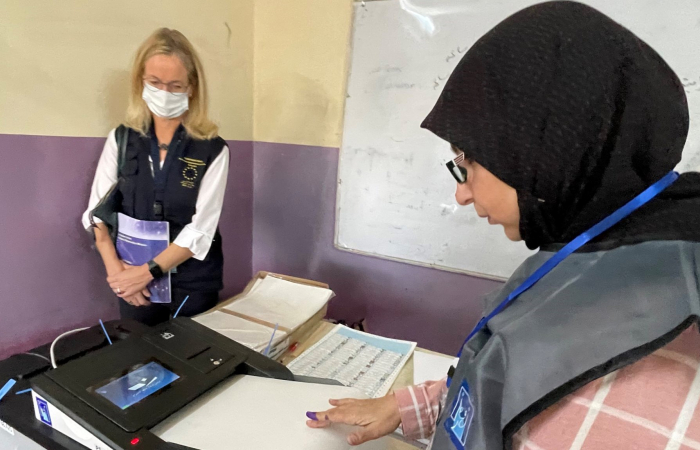
Georgian elections overshadowed by arrest of former president

Georgian elections overshadowed by arrest of former president

Georgians are voting on Saturday (2 October) in local elections to elect 64 mayors and city councils, including the capital, Tbilisi. There are 3,513,884 voters. The vote is being seen as an expression of confidence or otherwise in the ruling Georgian Dream (GD)government that has been in power in Georgia since 2012.
Editor's choice
News
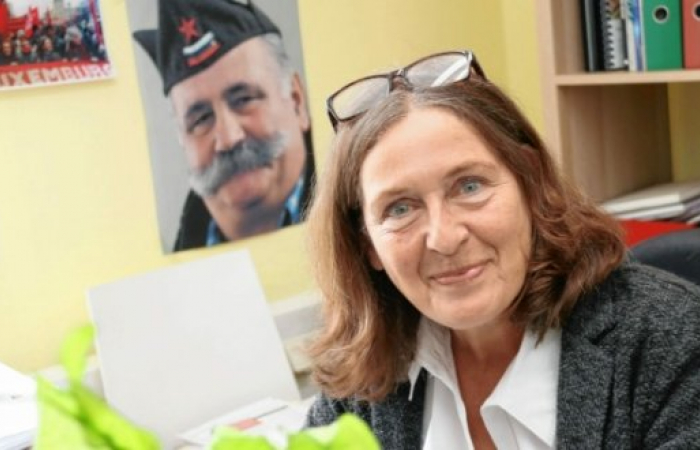
Red Graz - The Communist Party wins elections in Austria's second city

Red Graz - The Communist Party wins elections in Austria's second city

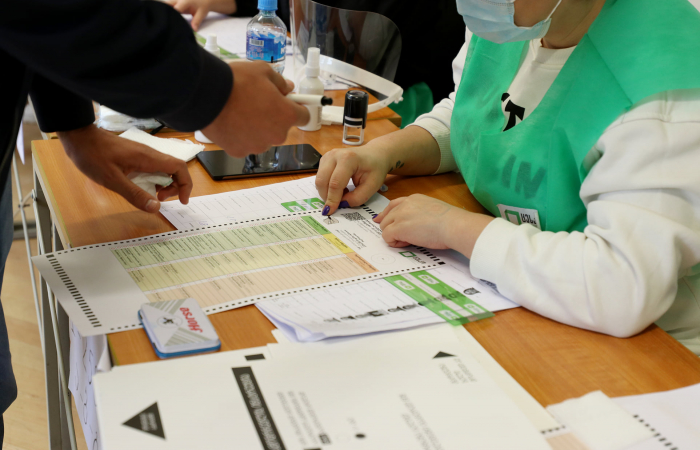
The Communist Party has won municipal elections in Austria's second city, Graz, securing 29% of the vote. Austrian Chancellor Sebastian Kurtz admitted that he was very surprised by this result. "The fact that the communists can win elections in Austria, albeit regional ones, should make you think," he said.