German diplomacy actively engaged in defusing tensions between Greece and Turkey

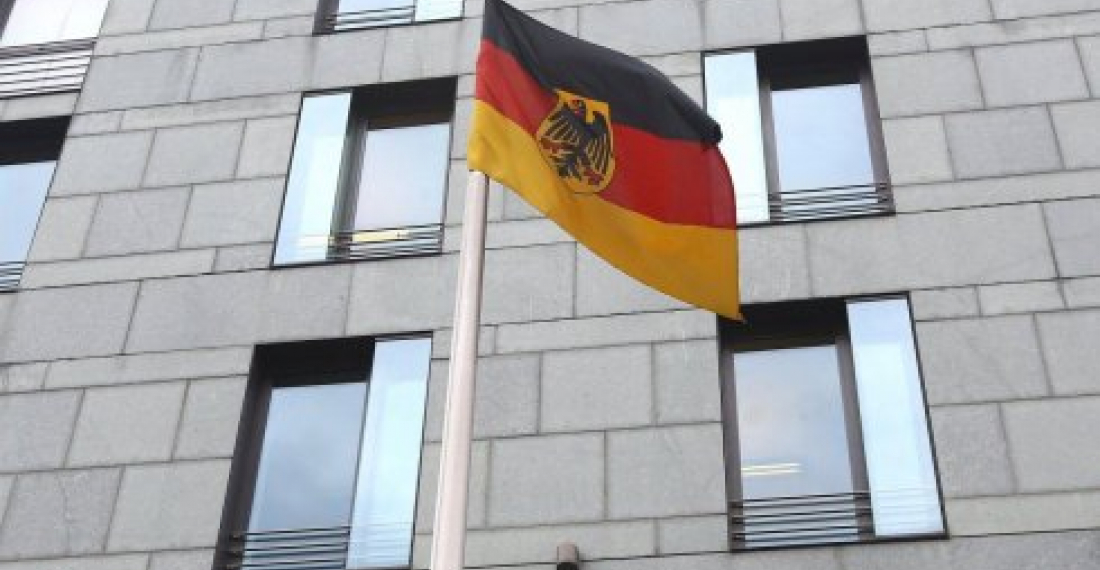
Germany, which currently holds the rotating presidency of the European Union. will this week intensify diplomatic contacts with Athens and Ankara, in an effort to defuse tensions in the Eastern Mediterranean over oil exploration rights and the delineation of the continental shelf between the two countries.

German Foreign Minister, Heiko Maas is expected to visit the two capitals this week to meet with his Greek and Turkish counterparts.

The European Union's foreign ministers' are then expected to hold an informal meeting in Germany on Thursday (27 August).

Germany has close, even if sometimes complicated, relations with both Greece and Turkey putting Maas in a unique position to conduct shuttle diplomacy aimed at reducing tensions between the two NATO allies who have often been at loggerheads because of issues such as Cyprus, and maritime activity in the Aegean.

Tension rose earlier this month after Turkey despatched a survey ship, the Oruc Reis to disputed waters in the Eastern Mediterranean. Turkish media reports that a NAVTEX, an advisory to the sailors issued by Turkey, notifies that the Oruç Reis will end its work in the area today, Sunday (23 August).

Germany is hoping to broker a meeting with the participation of the senior advisors of President Recep Tayyip Erdoğan and Greek Prime Minister Kyriakos Mitsotakis under the mediation of German Chancellor Angela Merkel's top aide on 28 August, according to Turkish media reports.

source: commonspace.eu with agencies
Related articles

Editor's choice
News
Council of Europe launches new International Claims Commission for Ukraine

Council of Europe launches new International Claims Commission for Ukraine

Thirty-four countries and the European Union have signed a new convention establishing an International Claims Commission for Ukraine at a diplomatic conference co-hosted by the 46-nation Council of Europe and the Netherlands in the Hague. The diplomatic conference was attended by leaders and high-level representatives from over 50 states, including the President of Ukraine, Volodymyr Zelenskyy, the President of the Republic of Moldova, Maia Sandu, and the Prime Minister of the Netherlands, Dick Schoof.  “Today marks a major step forward in ensuring accountability for Ukraine. The International Claims Commission represents justice and hope for tens of thousands of victims—our determination that those who have suffered will not be forgotten. I call for quick ratifications so we can get the commission rapidly up and running for the people of Ukraine,” said Council of Europe Secretary General Alain Berset. Ukrainian President Volodymyr Zelenskyy said: “We expect that every mechanism for compensation from the Register of Damage and Claims Commission to the actual payments – will start working and receive strong and sufficient international support, so that people can truly feel that any kind of damage caused by the war can be compensated. This war, and Russia’s responsibility for it, MUST become a clear example – so that others learn not to choose aggression.” “Accountability is about creating the conditions for peace that endures. And therefore, accountability is a condition of security – today and for the future. But accountability is not only about Ukraine. And it is not only about one aggressor and one victim. Accountability is about Europe. About every country in Europe. It is about whether Europe, as a whole, is willing to defend its peace,” said Maia Sandu, President of the Republic of Moldova, which currently holds the Presidency of the Council of Europe’s Committee of Ministers. The Prime Minister of the Netherlands, Dick Schoof, said: “Every day Russia is deliberately bombarding homes, destroying businesses and damaging infrastructure in Ukraine. Russia must compensate Ukraine for the damage caused. That is why we have launched the International Claims Commission for Ukraine and we are honoured to host it.” The International Claims Commission will be the second part of a comprehensive compensation mechanism related to Russia’s war of aggression, building on the existing Register of Damage for Ukraine. The claims commission will be established within the framework of the Council of Europe and will also be open to other countries. The Register of Damage for Ukraine, created in 2023, collects and records compensation claims submitted by individuals, organisations and public bodies in Ukraine. Forty-four states and the European Union have so far joined the Register, which has already received 86,000 claims. The International Claims Commission will review, assess and decide upon claims submitted to the Register of Damage for Ukraine and determine the amount of compensation, if any, which is due in each case. The convention establishing the commission will enter into force once it has been ratified by 25 signatories, as long as sufficient funds have been secured to support its initial work.

Popular