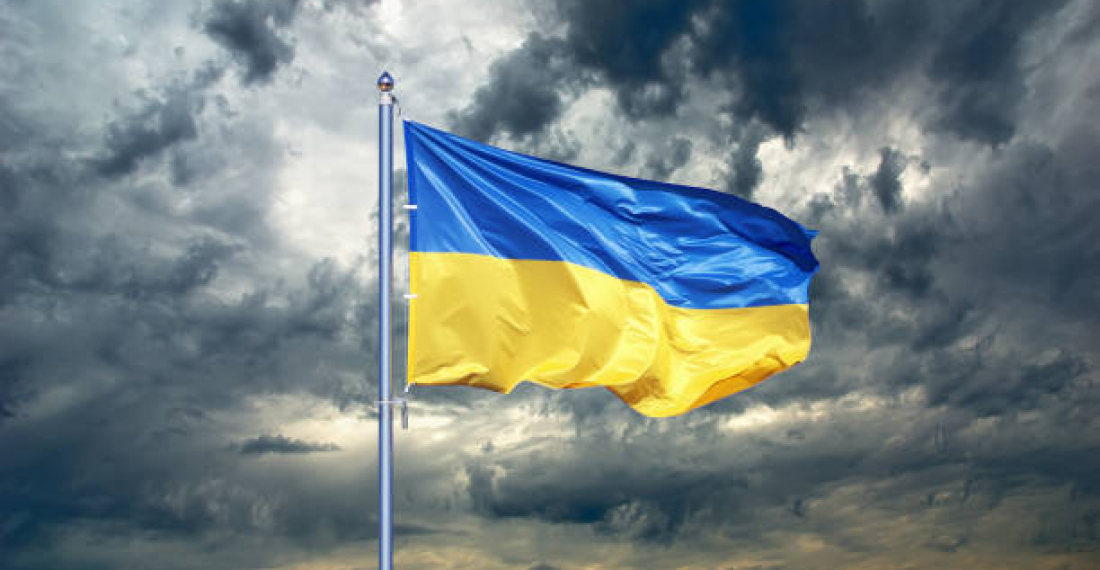
The EU High Representative for Foreign Affairs and Security Policy, Josep Borrell, warned that the situation on the border between Eastern Ukraine and Russia is tense and can easily escalate. Borrell referred to the fact that Russia had assembled more than 100,000 troops at the border.
Tensions in the Eastern European neighbours have risen considerably in recent weeks. According to Borrell, "a spark" might escalate the situation. He appealed to Russia to withdraw its military forces from the border region. Borrell said there are now more Russian soldiers in the border region than at any other time – a claim the United States (US) endorses. The Russian fleet is also active in the Black Sea, which led the US to announce the sending of two warships there. The Americans suspended their plans after fierce protests from Moscow, but the British are now also said to be preparing to send warships next month in May.
After Russia's annexation of Crimea in 2014, war broke out in Eastern Ukraine. Separatists loyal to Russia wanted to secede and received help from the Russians. In 7 years, some 14,000 people have died in the fighting.
Ukrainian Minister of Foreign Affairs Dmytro Kuleba called on the European Union to increase sanctions against Russia. Borrell said that there were no plans for that at present.