Envoy of Moscow Patriarchate visits Vatican amidst risk of schism in Orthodoxy

An envoy of the Russian Orthodox Church has met Pope Francis in the Vatican on Friday, as fears grow of a new schism in Christian Orthodoxy

The Chairman of the Moscow Patriarchate's Department for External Church Relations, Metropolitan Hilarion of Volokolamsk, had a private audience with Pope Francis on Friday. Metropolitan Hilarion earlier told TASS that the meeting had been planned.

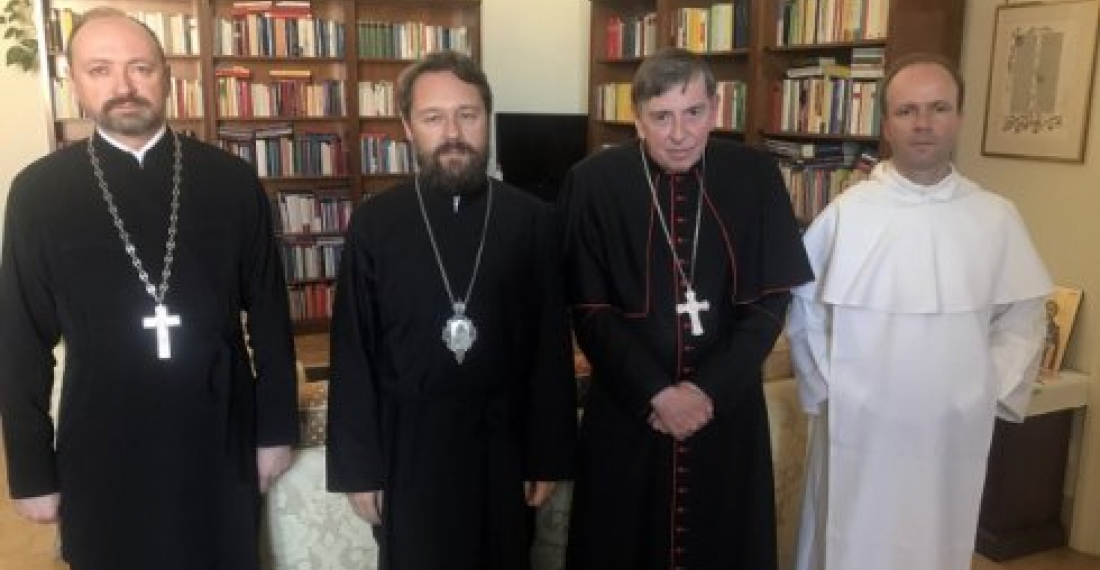
The Vatican provided no details about the meeting. A day earlier Metropolitan Hilarion of Volokolamsk met with the president of the Pontifical Council for Promoting Christian Unite, Cardinal Kurt Koch, within the framework of the General Assembly of the Synod of Bishops of the Catholic Church.

The website of the Moscow Patriarchy said that "Metropolitan Hilarion introduced Cardinal Koch to the decisions of the Holy Synod of the Russian Orthodox Church adopted at its meeting on October 15 in Minsk in connection with the uncanonical actions of the Patriarchate of Constantinople in Ukraine. His Eminence set forth in detail the position of the Moscow Patriarchate on this issue and conveyed to the cardinal the text of the Holy Synod."

The Ecumenical Patriarchate of Constantinople, “first among equals” in the Orthodox Christian world, decreed the Ukrainian Orthodox Church, Kiev Patriarchate, and the Ukrainian Autocephalous Orthodox Church to be canonical, or legitimate. The move is a step on the road to the granting of autocephaly, or independence, to Ukrainian Orthodox Christians. The Russian Orthodox Church, Moscow Patriarchate has now cut ecclesiastical ties with Constantinople, blaming it for the “schism.” 

related content: Synod of Ecumenical Patriarchate of Constantinople recognises the independence of the Ukrainian Orthodox Church

source: commonspace.eu

photo: Metropolitan Hilarion of Volokolamsk met with the Holy See's president of the Pontifical Council for Promoting Christian Unite, Cardinal Kurt Koch on 18 October 2018 (picture courtesy of the press service of the Patriarchate of the Russian Orthodox Church)
Related articles

Editor's choice
News
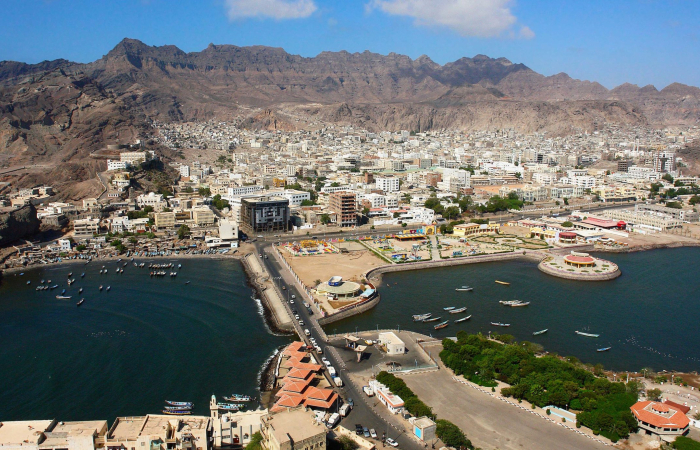
Aden under curfew, as problem in Yemen's south deepens

Aden under curfew, as problem in Yemen's south deepens

The port city of Aden, in Yemen's south, has been put under curfew, as the rift in the country between  the Saudi led coalition which  backs Yemen's presidential governing council, and the southern forces led by the Southern Transitional Council (STC), deepens. Abdul Rahman al-Mahrami, a member of the Yemeni Presidential Governing Council and commander of the al-Amalik brigades, has ordered a curfew in the temporary capital, Aden, "to maintain security". "A curfew has been imposed throughout Aden Governorate from 9:00 p.m. to 6:00 a.m., in accordance with the instructions of Commander Abdul Rahman al-Mahrami, a member of the Presidential Management Council," the statement said. It states that only security and military personnel, as well as medical and technical teams with approved permits, will be allowed to move in the area during these hours. Yemen's presidential council, which is backed by Saudi Arabia and which already is in a struggle with the Houthi Movement in the north of the country who also occupy the capital Sanaa, two days ago issued an order for the arrest of the head of the Southern Transitional Council (STC),, Aidarous al Zubaidi. The STC have wide support among people in the South, and advocate that South Yemen restores its independence. The coalition warned of further escalation in Aden, long regarded as an STC stronghold, as the Presidential Leadership Council (PLC) chief accused STC leader Aidarous Al Zubaidi of “high treason” and announced the revocation of his membership in the governing body. The moves mark a sharp escalation in tensions within the anti-Houthi camp, despite National Shield Forces, rivals of the STC and former allies, having recently retaken control of Hadhramaut and Mahra from southern fighters. The STC’s takeover of the two regions last month angered Saudi Arabia and contributed to igniting the current internal conflict. (click the picture to read more)

Popular

Editor's choice
Analysis
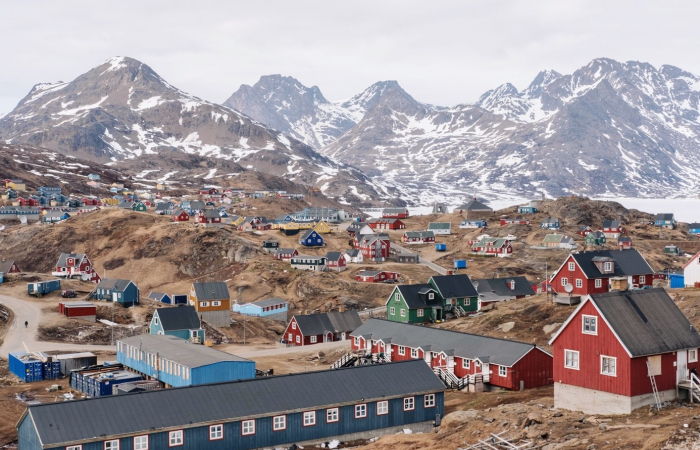
Analysis: Why what happens in Greenland matters

Analysis: Why what happens in Greenland matters

The snap elections for the parliament of Greenland last Tuesday (6 April 2021) attracted unusual interest from major powers who have been watching the political and economic impact of the election results on their interests in the Arctic region. Among them, the Chinese, who have invested in the Kvanefjeld mine on the island. Maximiliaan van Lange analyses the background to the recent Greenlandic general elections, and the Island's geostrategic position in the Arctic in this article for commonspace.eu.