After a lull of a few days, when Gulf countries hoped that the Memorandum of Understanding signed by Iran and the United States in June, will draw a tine over the events that started on 28th February when Israel and the United States launched an attack on the Islamic Republic, the region is back to high tension and crises.
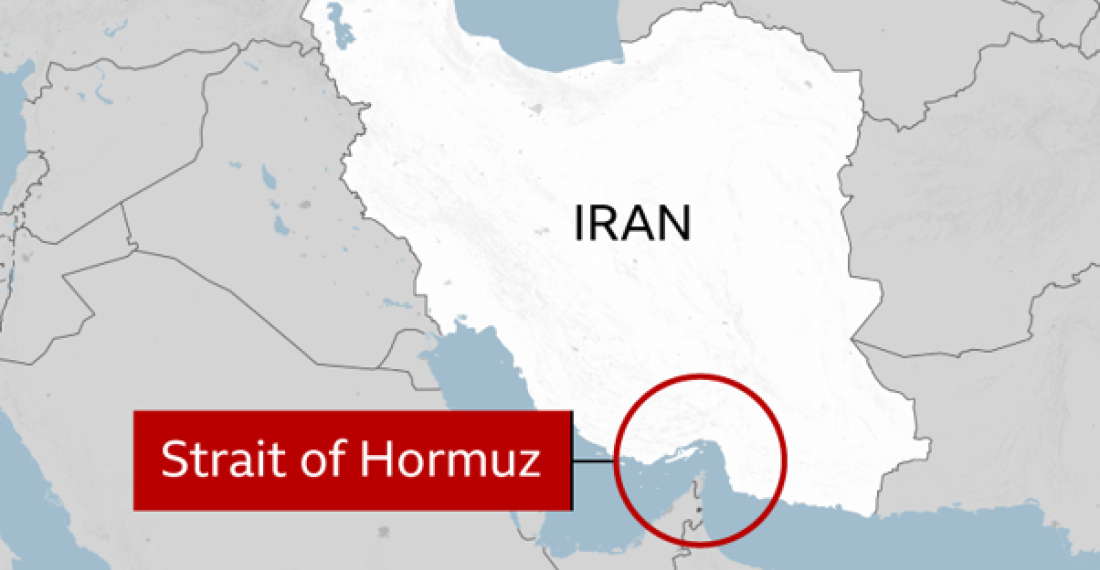
On Monday night, the US launched its third taack on Iranian target, in as many days. Iran responded with attacks on US target in several Gulf countries and Jordan. The UAE also accused Iran of a "brazen" attack on two tankers in the Strait of Hormuz on Monday, killing one and wounding eight, as Donald Trump said the US would impose a 20% charge as part of a new blockade on the waterway.
The US president said they were hitting Iran "very hard" as strikes were launched for the third consecutive night amid escalating attacks between the two countries.
Iran's foreign minister responded to the announcement of a blockade by saying that Tehran would remain the Strait's "GUARDIAN" - using Trump's word.
The dispute over control of the Strait of Hormuz threatens to derail efforts to end their war, but Trump insisted a deal was still possible.
In response to the Emirati claims, the Iranian Revlutionary Guard Corp (IGRC) aid it had hit the tankers and disabled them.
It added that "co-operation with the aggressor enemy" would only lead to regret, damage and delays in opening the Strait - as well as the "creation of an energy crisis in the world".
Oil prices edged higher in Asian trade on Tuesday. Brent crude was up by 0.7% at $83.87 a barrel, while US-traded oil was 0.9% higher at $79.04.
That followed a more than 9% jump in the price of Brent on Monday as the conflict escalated.
Trump earlier told Fox News the US would "probably run" the Strait of Hormuz, claiming that Iran "broke" a deal that was made with the US.
"We are taking over the strait," he said.
Centcom said its forces "will resume blockading maritime traffic entering and exiting Iranian ports" on 14 July.
"The US military continues to support traffic flow through regional waters for all vessels not violating the blockade," a Centcom statement said.
source: commonspace.eu with BBC (London) and agencies