Iran’s Revolutionary Guards said on Wednesday, 4 March, that they had gained “complete control” of the Strait of Hormuz, a key global shipping route for oil and gas.
The Guards warned that vessels attempting to pass through the strait could face missile or drone attacks. United States President Donald Trump said the US Navy was prepared to escort oil tankers through the strategic Gulf shipping corridor if necessary.
Iranian forces also claimed to have launched more than 40 missiles at United States and Israeli targets in a new wave of strikes. In Israel, air raid sirens sounded across several regions, including Jerusalem and Tel Aviv, after missiles were launched from Iran. Israeli authorities said their defence systems intercepted the threats, with no immediate reports of casualties.
Meanwhile, Israel announced it had launched a “broad wave of strikes” against targets in Iran, including security command centres in Tehran. United States military officials said nearly 2,000 targets had been struck in Iran since the start of the campaign.
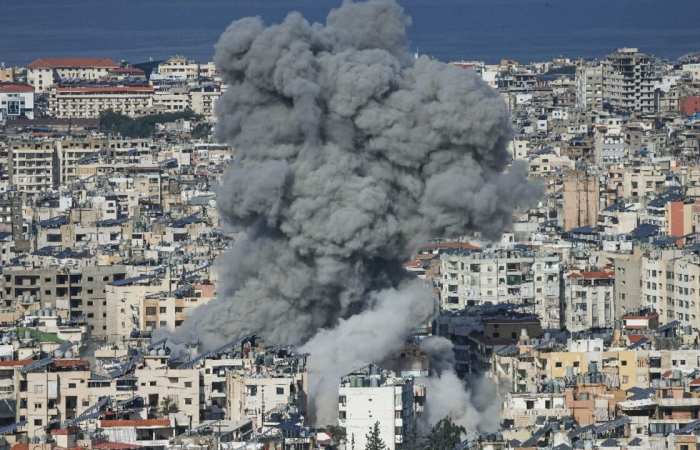
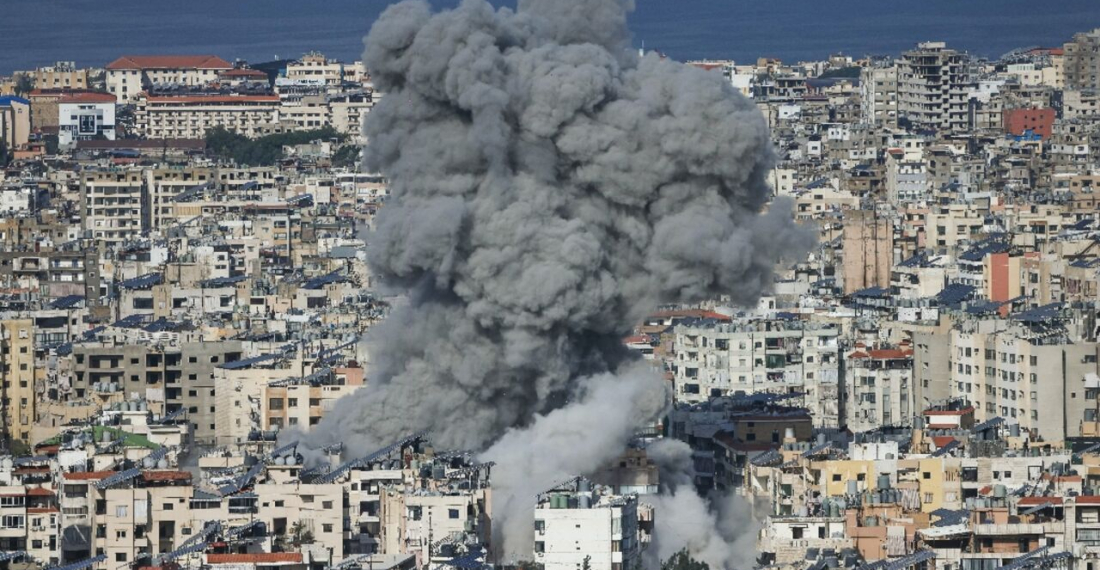
Tensions have also spread across the wider region. Israeli strikes were reported in Beirut and other parts of Lebanon, while Saudi Arabia said it had intercepted cruise missiles and drones targeting its territory. Qatar reported dismantling two alleged Iranian spy cells, and Sri Lanka said an Iranian naval frigate was sinking near its territorial waters.
Iran will begin a three-day funeral for Supreme Leader Ayatollah Ali Khamenei, who was killed in the initial United States and Israeli strikes.
The escalating confrontation has shaken global markets, with Gulf stock exchanges falling sharply and oil prices rising amid fears of disruption to energy supplies.
Source: commonspace.eu with Agence France-Presse