

Усилия посредников сводятся к бесперебойной прокачке углеводородов

Усилия посредников в карабахском урегулировании сводятся к бесперебойной прокачке углеводородов

Интервью главы фракции партии "Наследие" Национального собрания Армении Степана Сафаряна информагентству АрмИнфо

Г-н Сафарян, в последнее время участились перестрелки на линии соприкосновения вооруженных сил НКР и Азербайджана. По-вашему, какими политическими функциями наделены эти инциденты для обеих сторон? 

На мой взгляд, по преимуществу звучат взаимные обвинения, и впечатление такое, что обе стороны, каждая в свою очередь, пытается оправдываться перед третьей, являющейся в данном случае арбитром, демонстрируя при этом свой конструктивизм. В общей сложности, внешнеполитические линии Армении и Азербайджана, если оставить в стороне различие между стратегическими задачами, в плане методов реализации этой политики, очень схожи. Т.е. все сводится к игре перед арбитром. И единственным фактором, на котором зиждется эта игра, остались эти самые перестрелки и диверсии на линии соприкосновения.

Несмотря на то, что нарушения режима прекращения происходят по инициативе Баку, тем не менее, звучащие в этой связи заявления посредников направлены обеим сторонам: что мешает этим призывам быть адресными?

Армения и в первую очередь, власти, должны в конце концов осознать, что ситуация в регионе не позволяет посредникам нарушать имеющийся баланс и начать наказывать одну из сторон. На Южном Кавказе обстановка никогда не была устойчивой, чтобы одного наказать, а другому давать поблажки. Сегодняшний хрупкий мир основывается на определенном беспристрастном отношении внешних сил к региональным странам. Регион наш интересен миру в своем общем измерении, невозможно выделять одну страну в плане сотрудничества с ней и оставить вне поля своего зрения другую. Южный Кавказ рассматривается мировыми силовыми центрами как единое целое с точки зрения безопасности, да и экономического развития. Армения представляет одну ценность для Запада и России, Азербайджан - совершенно иную. От всех есть различные ожидания на столь же различных плоскостях. Следовательно, применять санкции в отношении одной страны и приносить дивиденды другой - это противоречит общей логике проводимой здесь политики, вместе с тем, это может торпедировать процесс достижения тех стратегических целей, которые связываются с Южным Кавказом. Наивно полагать, что международное сообщество в ближайшее время нарушит баланс и, к примеру, признает независимость Нагорно-Карабахской Республики. И бессмысленна стратегия властей РА, сводящаяся к тому, чтобы признать НКР только после подобного шага от мирового сообщества. Анализ ситуации в регионе говорит о том, что подобного сценария никогда не произойдет. Если мы хотим международного признания НКР, то должны сделать это первыми. Как бы международное сообщество ни было уверено в агрессорских замашках Баку, оно не имеет тот уровень свободы, чтобы привлечь Баку к ответственности.

А что их удерживает?          

Для европейцев есть проблема получения доступа к энергоресурсам Средней Азии, а Азербайджан является связывающим звеном между Западом и указанным регионом. Мы имеем дело с задачей перекачки казахских и туркменских углеводородов по транскаспийскому проводу и трубе Набукко. В условиях подобных ожиданий, мне не представляется возможным применение санкций в отношении Азербайджана. Его бы могли наказать за фальсификацию итогов выборов, за ханские порядки, царящие в стране. Если этого не сделано, значит, никакие нарушения режима перемирия на линии соприкосновения не способны вызвать гнев Запада. Поэтому Армения должна найти иные методы воздействия на обстановку.

К примеру?

Я неоднократно говорил, что наш ответ на провокации не должен быть аналогичным. Военную провокацию не следует пресекать военными мерами. Ответы Еревана должны быть в политической плоскости. Они могут проявляться в виде демаршей. Например, меня беспокоит то, что армянская сторона до 1994 г. заплатила за войну, навязанную ей, многочисленными человеческими жертвами. Начиная с подписания перемирия, и по сей день, она расплачивается в виде турецко-азербайджанской блокады. Сегодня Ереван платит за переговоры опять таки жертвами провокаций на линии соприкосновения. Переговоры все дороже обходятся армянской стороне. И от таких дорогих переговоров, думаю, давно пора отказаться, как минимум. Армения должна потребовать изменения правил игры, и каким-то образом добиться сдерживания Азербайджана в плане диверсий. Более того, я считаю, что лучшим способом смены правил игры - признание Арцаха, что даст возможность ему самому принимать решения, так или иначе касающиеся его судьбы.

Признание Арменией НКР не нарушит того баланса, о котором Вы упомянули выше?    

Армения до 1998 г. обеспечивала трехсторонний формат переговоров - с полноправным участием НКР, и баланс этот отлично сохранялся. Необходимо провести раздел между повестками дня переговоров. Армения имеет свои проблемы с Азербайджаном, Нагорно-Карабахская Республика - свои. И задачи не следует смешивать друг с другом. Признание Арцаха могло бы стать веским политическим ответом на поползновения Азербайджана, оно бы решило задачу конкретизации предмета переговоров. Я не говорю, что признание может и должно быть в любой произвольный момент. Такие удобные моменты были, скажем, во время активной фазы переговоров по признанию Косово, когда на этом фоне можно было нейтрализовать вероятную угрозу жесткой международной критики по поводу действий Армении. Можете себе представить эффект от одновременного признания Арменией и Косово и Нагорного Карабаха! Второй шанс мы упустили в прошлом году, когда Международный суд ООН в Гааге признал правомерность провозглашения Косово независимым государством, тем самым невольно дав карт-бланш Еревану. Суд четко зафиксировал, что одностороннее признание конкретной территории субъектом никоим образом не противоречит нормам международного права. Таким образом, был создан необходимый фон для признания НКР. Выбор момента, безусловно, очень важен. Мы предлагали такие моменты, подсказывали, но правящая коалиция упустила их.

Я не исключаю, что в будущем мы пожалеем за утерянные возможности. Уже сегодня власти говорят, что НКР можно было признать в 1992, 1994 г. Вполне возможно, что через 5 лет скажут, мол, нужно было признать Арцах во время переговоров по Косово и т. д.

Много говорится о необходимости разрешения проблемы, а есть ли реальная заинтересованность в урегулировании?      

Обвинять кого-либо в нежелании видеть урегулированным конфликт, было бы несправедливо. Каждый из участников переговоров, в том числе и посредников, так или иначе хочет поставить точку в этом вопросе. Но вся проблема в том, кто и как это себе представляет. Именно в этом отношении мнения расходятся. Конфигурация сил в регионе не позволяет достичь взаимоприемлемого варианта урегулирования. Следовательно, им ничего не остается, как управлять конфликтом, держать его в диапазоне своего влияния. И параллельно использовать его ради обслуживания собственных геополитических интересов, например, бесперебойной прокачки энергоресурсов. И пока это им удается. 

Беседовал Ашот Сафарян

25.05.11. АрмИнфо.   
 

Latest

Editor's choice
Monday Commentary
Monday Commentary: PEACE IN OUR TIME?

Monday Commentary: PEACE IN OUR TIME?

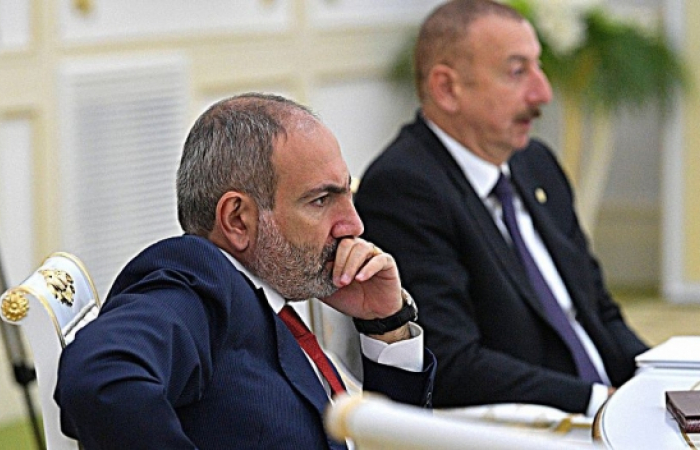
Making peace between Armenia and Azerbaijan was never going to be simple, nor easy, nor quick. It is taking time, writes Dennis Sammut in this Monday Commentary. “There is a sense of realism coming from the leaders of the two countries – President Ilham Aliyev of Azerbaijan and prime minister Nikol Pashinyan of Armenia, that frankly, is necessary and welcome”, he writes. At a time when conflicts are raging all over the world – from Ukraine to the Gulf, from Africa to South Asia, the prospect that Armenia and Azerbaijan had finally, after decades of conflict that left thousands of dead and many more displaced, decided on embarking on a journey of peace was welcomed. Peace between Armenia and Azerbaijan can be top-down up to a point. Both leaders have spent political capital preparing for a peace deal. But both are aware that their people are not ready for peace yet. In fact, in Armenia, most of the elite are negative toward a peace deal with Azerbaijan. Pashinyan needs time to persuade his countryfolk. That is why 2031 is realistic. Ilham Aliyev runs a tighter shop, but he is also not immune to public opinion. Every time someone hits a landmine in Karabakh, which unfortunately happens often, peace comes into question. Which is why Aliyev chooses to sound hardline, more often than not. In pursuing the peace agenda, both Aliyev and Pashinyan need to proceed cautiously. But they are right in making peace the central issue in their agenda. It is the main issue, and the one that will define them in history. So forward, cautiously but resolutely! In pursuing the peace agenda, Aliyev and Pashinyan need to be supported clearly and unambiguously. There are too many people in Baku and Yerevan who are sitting on the sides, waiting. The international community is not doing enough. It is time to be counted. Otherwise, the spoilers will win, and the region will go back to its bad habits. (Click the image to read the full commentary).

Popular

Editor's choice
Monday Commentary
Monday Commentary: European-Azerbaijan relations need an intensive and multifaceted dialogue that is frank and honest

Monday Commentary: European-Azerbaijan relations need an intensive and multifaceted dialogue that is frank and honest

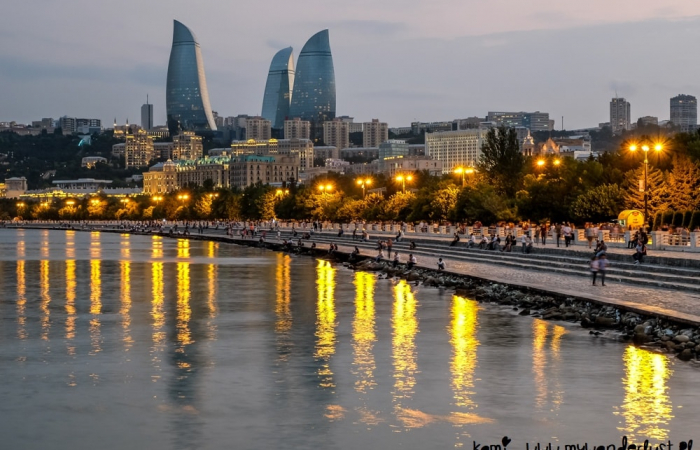
Last week I visited Baku, Azerbaijan. My visit was relatively short, but very intensive, and had many meetings with stakeholders and colleagues. When I arrived in Baku first time in 1996,  Azerbaijan was a different country: weak, poor, and shaken by defeat in war. For thirty year the Karabakh issue dominated the agenda: the political agenda but also the popular mindset. Now, thirty years later, Azerbaijan has returned to Karabakh, and peace with Armenia is on the horizon. It is a new era for Armenia-Azerbaijan relations, for the South Caucasus, but also for Europe.  But we cannot be complacent: the Peace agreement has been initialed but not signed; borders remain closed; TRIPP is ambitious but remains an idea; and there are spoilers who want to turn the clock back. We must not allow them, and in this Europe and Azerbaijan must work together. Europe’ vanguard organization is the European Union – it is a free union of 27 member states; it is a strong global economic force, and increasingly a diplomatic and military force too. But it remains “work in progress” and can often appear dysfunctional. It often lacks collective and institutional memory. In its dealings with Azerbaijan the EU has made many mistakes – not least opening the delegation here late – in 2008. It sometimes appears condescending. Some utterances from the European Parliament and from some quarters in some member states are not understandable even for me. They irritate the Azerbaijanis, but serve no other purpose But Azerbaijan has also not handled relations with the EU well. It has failed to respond when the hand of friendship reached out; and it confused irritating actions, sometimes by well-meaning people; sometimes by outright spoilers, with strategic action. In short, EU-Azerbaijan relations have suffered from a lack of proper dialogue. This dialogue must be frank, honest and multi-faceted involving different segments of society on both sides.   Is Azerbaijan Europe? When Azerbaijan applied to join the Council of Europe in the 1990s, there were some who opposed, saying this was not Europe. I was one of the people who argued that Armenia and Azerbaijan may be on the periphery of the continent geographically, but were European in essence. Certainly their elites. During the discussion on 4 September in Baku, my friend Farhad Mammedov, mentioned that Azerbaijan is not interested in joining the EU, and was now close to the Central Asian countries in the 5 plus 1 format. Neither things mean that Azerbaijan is not Europe. There are several European countries that are not in the EU, and do not want to be, for example Norway and Switzerland. Iceland has recently voted to stay out of the EU. The UK was a member and left. Europe is bigger than the EU, and the holding of the European Political Community summit in Baku in 2027 proves that. Despite all the rhetoric, I never heard the president of Azerbaijan  saying that Azerbaijan is not Europe, nor have I heard any European president say it either. Not wanting to join the EU and forging close relations with neighbouring regions does not make Azerbaijan any less European. It is only logical that when Europeans talk to Azerbaijan they talk like family. The conversation is often frank. It must also be honest, and Europeans need always to remember this too. A frank, honest and multi-faceted dialogue A frank, honest and multifaceted dialogue will contribute to relations between Azerbaijan and the rest of Europe: it will avoid misperception, which unfortunately is very common on both sides; it will provide a forum where problems can be discussed and resolved, and it will increase mutual trust, so that together common problems can be addressed. (click image to read the full Monday Commentary)
Editor's choice
Monday Commentary
Monday Commentary: “The barren rocks of Aden” and “These lands of Yemen are so ruthless”

Monday Commentary: “The barren rocks of Aden” and “These lands of Yemen are so ruthless”

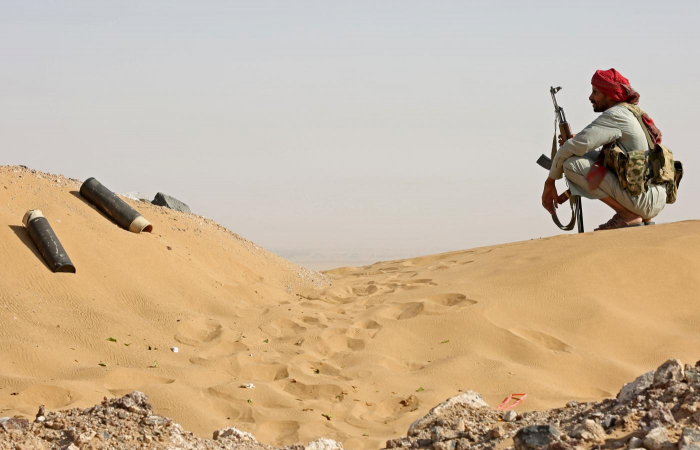
There are two early 20th-century tunes that mark foreign attempts to occupy and “pacify” Yemen. The Scottish tune “The barren rocks of Aden” marks the mobilisation of Highland soldiers, enlisted to be deployed to the Yemeni port of Aden, that in 1837 became the last colony to be incorporated into the British Empire. The tune talks of the harshness of the terrain, but is celebratory, It was even played as a farewell tune to Sir William Luce at the parade in Sharjah celebrating his end as “British Viceroy” in the Middle East in 1966. The second tune is an Anatolian lament. As Ilker Sezer reminded us this weekend, in his weekly feature on “Turkiye Today”, it “mourns the tragic fate of Ottoman soldiers dispatched to the harsh, remote deserts of Yemen during the fall of the empire, young men who marched away from their villages and never returned home. Most of their names, and numbers, were never recorded. Yet, their fate left a mark on the Turkish psyche.” Subsequent invaders have discovered that Yemen is a grave that cannot be overcome by the strength of modern technology, and that whilst Yemeni society is splintered and divided, building a reliable alliance with Yemeni factions is difficult. These are the harsh lessons facing Saudi Arabia, as the Kingdom faces its biggest challenge in its modern history. The leadership of the Kingdom now has to respond decisively. At stake is their very credibility. This is likely to be a long and messy conflict. Saudi military objectives need to be focused: to box in the Houthis rather than destroy them. This is likely to include: (a) regaining territory lost on the Red Sea coast; (b) control over Bab el Mandeb Strait; (c) some kind of cordon sanitaire on the Saudi-Yemeni border; and if things go well (d) the capture of Sanaa. All this would not eliminate the Houthi problem, but it will contain it. In the end the Saudis will have to continue managing Yemen with a mixture of carrot and stick. For the moment, the stick is likely, but the carrot cannot be forgotten either. (click the image to read the Monday Commentary in full)