International Energy Agency chief warns of fuel shortages in Europe

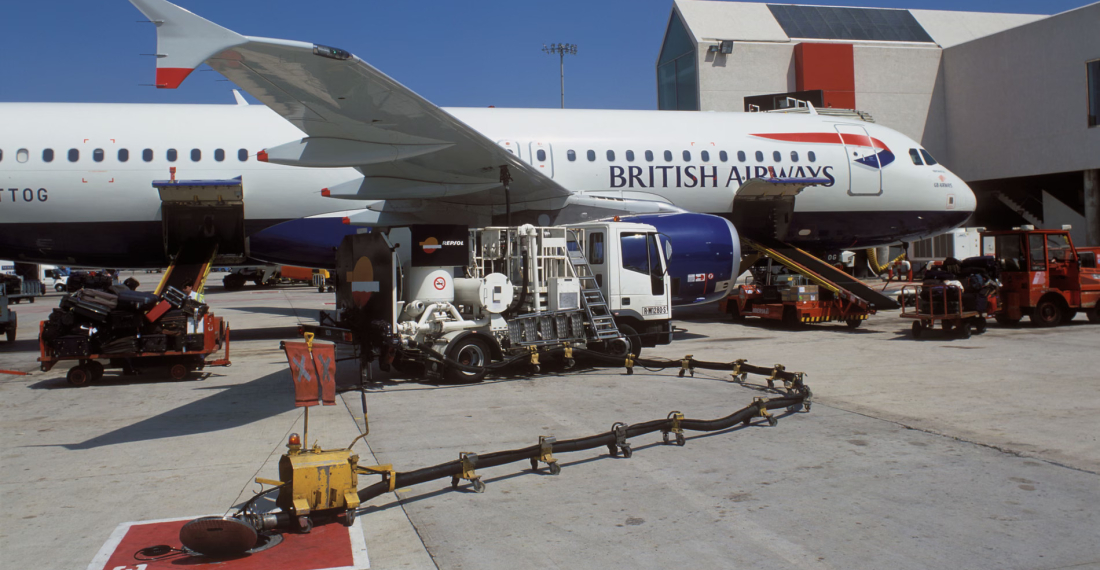
Fatih Birol, the executive director of the International Energy Agency, warned on Thursday (16 April) that Europe only has a six weeks’ supply of jet fuel left before Iran war shortages will be felt.

“I can tell you soon we will hear the news that some of the flights from city A to city B might be cancelled as a result of lack of jet fuel,” he told the Associated Press.

The US-Israel war against Iran has caused turmoil in global energy markets, mainly due to the closure of the Strait of Hormuz, which is a vital export route for oil from the Gulf.

Birol said Europe had “maybe six weeks or so [of][ jet fuel left”, AP reported. His comments add to that of Airports Council International Europe, a lobby group that last week wrote to the EU’s energy and transport commissioners saying the bloc was three weeks away from shortages.

In normal times, airports and airlines tend to have about six weeks of fuel supply, but the extra reserves in the system are now being used up. Suppliers also lack the capacity to replace supplies that come through the Gulf. 

The impact will be “higher petrol prices, higher gas prices, high electricity prices”, Birol told AP, with some parts of the world “hit worse than the others”.

Source: commonspace.eu with The Guardian and the Associated Press
Related articles

Popular

Editor's choice
Interview
Thursday Interview: Murad Muradov

Thursday Interview: Murad Muradov

Today, commonspace.eu starts a new regular weekly series. THURSDAY INTERVIEW, conducted by Lauri Nikulainen, will host  persons who are thinkers, opinion shapers, and implementors in their countries and spheres. We start the series with an interview with Murad Muradov, a leading person in Azerbaijan's think tank community. He is also the first co-chair of the Action Committee for a new Armenian-Azerbaijani Dialogue. Last September he made history by being the first Azerbaijani civil society activist to visit Armenia after the 44 day war, and the start of the peace process. Speaking about this visit Murad Muradov said: "My experience was largely positive. My negative expectations luckily didn’t play out. The discussions were respectful, the panel format bringing together experts from Armenia, Azerbaijan, and Turkey was particularly valuable during the NATO Rose-Roth Seminar in Yerevan, and media coverage, while varied in tone, remained largely constructive. Some media outlets though attempted to represent me as more of a government mouthpiece than an independent expert, which was totally misleading.  Overall, I see these initiatives as important steps in rebuilding trust and normalising professional engagement. The fact that soon a larger Azerbaijani civil society visits to Armenia followed, reinforces the sense that this process is moving in the right direction." (click the image to read the interview in full)