


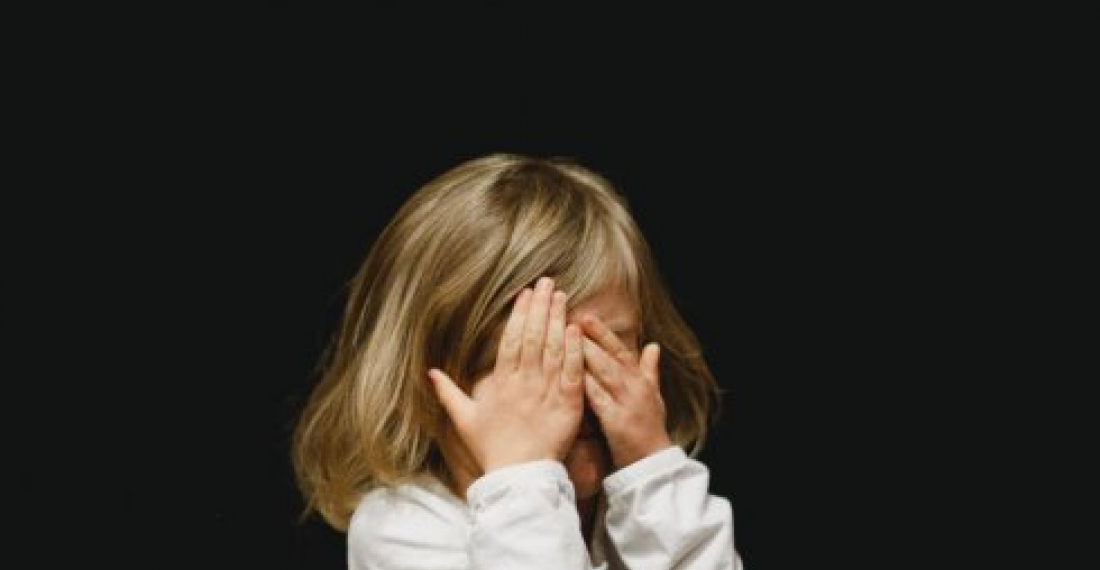
Разговор с детьми о коронавирусе

Поскольку мы все испытываем значительные перемены, важно, чтобы мы не забывали о самых молодых в наших обществах. В этой статье для commonspace.eu Уильям Мюррей собрал советы некоторых ведущих мировых детских организаций о том, как говорить с детьми о коронавирусе.

Нынешний кризис потребовал, чтобы мы нажали на экстренные тормоза. То, что мы отказываемся от нормального образа нашей жизни, прекращаем несущественные действия и вступаем в неопределенное и неоднозначное будущее. Это серьезный умственный вызов для понимания даже самых стойких из нас. И поэтому, хотя сообщалось, что дети гораздо менее уязвимы к контракту COVID-19, необходимо, чтобы мы признали, насколько запутанным должен быть этот период для них. В то время как школы в Европе и Евразии закрывают свои двери в обозримом будущем, дети сталкиваются с очень похожими жизненными изменениями для всех нас, но еще менее осведомлены, чем мы.

Стремясь помочь родителям в том, как объяснить детям, что происходит, некоторые ведущие детские организации и эксперты в мире опубликовали несколько советов для родителей и опекунов.

- Институт детского разума отметил, что «дети больше волнуются, когда их держат в темноте». Чтобы снизить беспокойство вашего ребенка, настоятельно рекомендуется не бояться говорить с ними о кризисе. Помимо прочего, родители должны успокоить своих детей, сосредоточиться на том, что можно сделать, чтобы оставаться в безопасности, и поддерживать регулярную рутину.

- ЮНИСЕФ предложил опекунам подходить к решению проблемы вируса с учетом их возраста. В то время как дети младшего возраста лучше всего реагируют на физические уроки по мытью рук и социальному дистанцированию, дети старшего возраста будут способны понимать вирусы, их распространение и более сложные проблемы, связанные с социальными стигмами и вирусами.

- YoungPeople, ведущая британская благотворительная организация в области психического здоровья детей и молодежи, опубликовала различные страницы о том, как поддерживать психическое здоровье вашей семьи в этот период. Среди прочего, в нем делается упор на возможности подышать свежим воздухом, поддерживать связь с другими друзьями и членами семьи и проявлять уважения друг к другу.

- Жаклин Сперлинг, доктор медицинских наук, клинический психолог, работающий с детьми, опубликовала на веб-сайте Harvard Health Publishing статью о том, как поговорить с ребенком о вирусе. Она подчеркивает, что важно найти хороший баланс между предоставлением достаточного количества информации вашему ребенку, избегая при этом питать его беспокойство.

Источник: Эта короткая статья была подготовлена ​​Уильямом Мюрреем для commonspace.eu. Это часть нашей серии публичных объявлений, направленных на то, чтобы помочь нашим читателям разобраться с проблемами, связанными с пандемией коронавируса и ее последствиями.


 

Related articles

Editor's choice
News
Nikol Pashinyan re-appointed as Armenian prime minister after decisive June election victory

Nikol Pashinyan re-appointed as Armenian prime minister after decisive June election victory

Armenia president, Vahagn Khachaturyan has re-appointed Nikol Pashinyan as Armenian prime minister, after the decisive victory of his Civil Contract party in parliamentary elections in June. During a ceremony at the Presidential Palace in Yerevan, President Khachaturyan signed a decree on the appointment of Nikol Pashinyan as Prime Minister of the Republic. President Vahagn Khachaturyan said in short remarks: It is a great honor for me to sign a decree on appointing you to the post of Prime Minister of the Republic of Armenia, for which I received a proposal from the political majority in the National Assembly, under Article 149 of the Constitution of the Republic of Armenia. I sincerely congratulate you, I wish you great patience, endurance, and determination to lead us in these difficult times, to lead the country to the future, a prosperous future. Nikol Pashinyan thanked the president and added,  I must say honestly that in 2018, when I assumed the post of Prime Minister of the Republic of Armenia as a result of the People's, non-violent, velvet revolution, it would have been difficult to predict that we would go down such a path and I think it would have been difficult to predict that we would be able to overcome this path. But we are where we are, and I think that the key role and significance in all this is unequivocally and undoubtedly the people of the Republic of Armenia, who, after all, have demonstrated special expressions of state consciousness and state-centeredness throughout this period. And of course, this is a great obligation and commitment. Of course, the Government will be formed in the near future and all members of the Government, including me, will already enshrine our obligations to our people in the text of the oath.  In the meantime Ruben Rubinyan has been elected Speaker of the National Assembly of Armenia, following a secret vote of MPs. He is a 36-year-old MP from the ruling Civil Contract party, who was one of the deputy speakers in the previous parliament and, until recently, was the special representative in the negotiations on the normalization of relations with Turkey.

Popular

Editor's choice
Interview
Thursday Interview: Murad Muradov

Thursday Interview: Murad Muradov

Today, commonspace.eu starts a new regular weekly series. THURSDAY INTERVIEW, conducted by Lauri Nikulainen, will host  persons who are thinkers, opinion shapers, and implementors in their countries and spheres. We start the series with an interview with Murad Muradov, a leading person in Azerbaijan's think tank community. He is also the first co-chair of the Action Committee for a new Armenian-Azerbaijani Dialogue. Last September he made history by being the first Azerbaijani civil society activist to visit Armenia after the 44 day war, and the start of the peace process. Speaking about this visit Murad Muradov said: "My experience was largely positive. My negative expectations luckily didn’t play out. The discussions were respectful, the panel format bringing together experts from Armenia, Azerbaijan, and Turkey was particularly valuable during the NATO Rose-Roth Seminar in Yerevan, and media coverage, while varied in tone, remained largely constructive. Some media outlets though attempted to represent me as more of a government mouthpiece than an independent expert, which was totally misleading.  Overall, I see these initiatives as important steps in rebuilding trust and normalising professional engagement. The fact that soon a larger Azerbaijani civil society visits to Armenia followed, reinforces the sense that this process is moving in the right direction." (click the image to read the interview in full)

