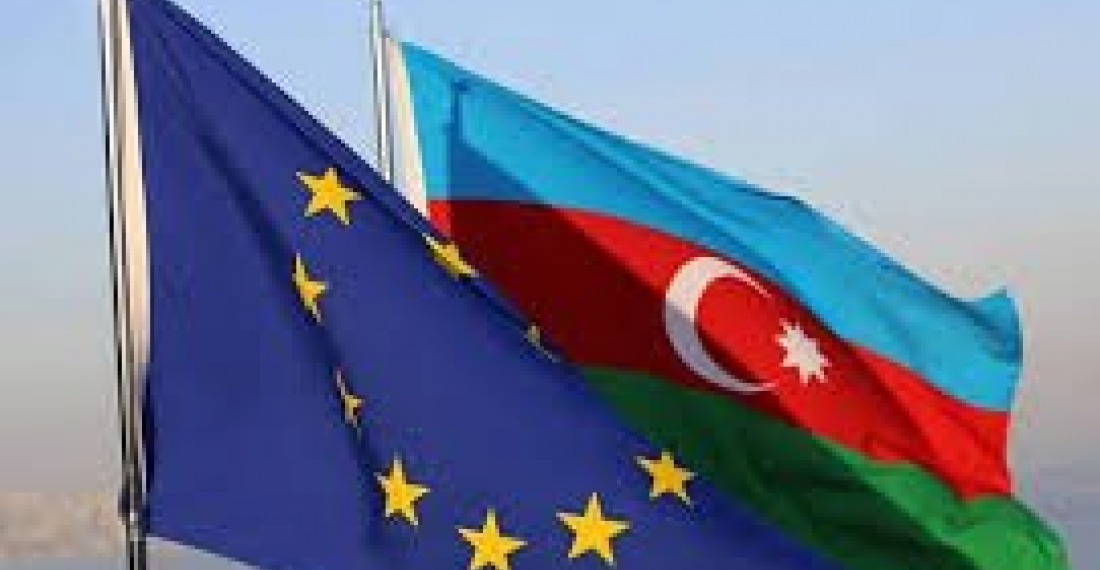
Комментарий: Представительство ЕС в Баку - не очаг революционной деятельности, а партнер по реформам для Азербайджана

Делегация Европейского Союза в Азербайджане выступила с заявлением, в котором опровергла обвинения в разделах проправительственных СМИ, в которых говорится, что члены делегации, в том числе глава делегации посол Кестутис Янкаускас, каким-то образом участвовали в организации антиправительственных уличных акций протеста. Сообщения начали появляться два дня назад и следовали за более ранними историями, связанными с антиправительственной уличной акцией протеста в Баку в начале этого месяца. В материале на сайте haqqin.az, который имеет тесные связи с правящими кругами Азербайджана, утверждается, что «посол ЕС готовил сценарий уличных боев для Баку».

В заявлении делегации Европейского Союза говорится:

Азербайджан является важным партнером ЕС, участником Восточного партнерства, а также нашим стратегическим партнером в области энергетики. ЕС также поддерживает суверенитет, независимость и территориальную целостность Азербайджана.

Мы работаем вместе, чтобы развивать наше партнерство и расширять наше сотрудничество посредством заключенного в настоящее время нового всеобъемлющего и амбициозного Соглашения, охватывающего большое количество тем, включая права человека.

ЕС продолжает поддерживать программу реформ Азербайджана. ЕС является первым торговым партнером и инвестором Азербайджана, как в нефтяном, так и в не нефтяном секторе. Мы поддерживаем программу диверсификации экономики Азербайджана, в частности, посредством поддержки образования и регионального развития.

Делегация Европейского Союза, в соответствии с международным правом и практикой, имеет контакты со всеми слоями азербайджанского общества. Это означает, что мы слушаем, но мы не принимаем стороны. Поскольку это практикуется дипломатическими службами по всему миру, мы встречаемся с правительством, а также с оппозицией, гражданским обществом и другими группами.

По мнению политического редактора Commonspace.eu, «непонятно, что должно было быть достигнуто этими атаками СМИ. Делегация Европейского Союза в Баку не является очагом революционной деятельности, а является партнером в реформе правительства Азербайджана и это еще больше с тех пор, как посол Кестутис Янкаускас занял пост главы делегации в прошлом году. Он приложил немало усилий и энергии для развития отношений между ЕС и Азербайджаном во всех сферах. Поэтому вполне законно спросить, почему стали происходить эти нападки, которыми довольны только враги Азербайджана. Этот инцидент подчеркивает необходимость того, чтобы Европейский Союз поддерживал широкий политический диалог с Азербайджаном. В Азербайджане, как и во многих других местах, голос и послание Европейского союза часто приходит приглушенный или искаженный, много раз обернутый в официальный жаргон, который вряд ли кто-то понимает. Одержимость Брюсселя этим процессом имеет политические издержки, а в таких ситуациях, как Южный Кавказ, цена за это высока. К счастью, по этому поводу все ясно."

источник: commonspace.eu
Related articles

Editor's choice
News
Borrell tells the European Parliament that the situation in Afghanistan was critical, but the EU will remain engaged

Borrell tells the European Parliament that the situation in Afghanistan was critical, but the EU will remain engaged

Borrell underlined that the European Union will make every effort to support the peace process and to remain a committed partner to the Afghan people. "Of course, we will have to take into account the evolving situation, but disengagement is not an option.  We are clear on that: there is no alternative to a negotiated political settlement, through inclusive peace talks.
Editor's choice
News
Germany accuses Russia of cyberattacks and disinformation campaign

Germany accuses Russia of cyberattacks and disinformation campaign

The German government holds Russia responsible for a cyberattack on German air traffic control, and for targeted disinformation campaigns before the last federal election. According to the German Foreign Office in Berlin, the incidents could be clearly attributed to the Russian military intelligence service, the GRU. In response, the Russian ambassador to Berlin was summoned to the Foreign Ministry. "We have been observing a massive increase in threatening hybrid activities by Russia for some time now," a spokesperson for the Foreign Ministry stated. These range from disinformation campaigns and espionage to cyberattacks and sabotage attempts. The aim is to divide society, sow distrust, and undermine confidence in democratic institutions. The spokesperson added that with these actions, Russia is "very concretely threatening our security, not only through its war of aggression against Ukraine, but also here in Germany."  The Foreign Ministry spokesperson explained that the cyberattack on air traffic control in August 2024 was clearly attributed to the hacker collective "APT28," known as "Fancy Bear," and to the responsibility of the Russian military intelligence service, the GRU. Furthermore, it could now be "conclusively stated" that Russia had attempted "to influence and destabilize both the last Federal election and the ongoing internal affairs of the Federal Republic of Germany." There was "absolutely irrefutable evidence" for this". The so-called "Storm 1516" campaign, which has been running since 2024, is allegedly backed by "reliable information" that the Moscow-based think tank "Center for Geopolitical Expertise" is behind it. The Center is also said to be supported by Russian military intelligence. Its primary aim is to influence democratic elections in the West. (Click the image to read more).

Popular

Editor's choice
News
Germany accuses Russia of cyberattacks and disinformation campaign

Germany accuses Russia of cyberattacks and disinformation campaign

The German government holds Russia responsible for a cyberattack on German air traffic control, and for targeted disinformation campaigns before the last federal election. According to the German Foreign Office in Berlin, the incidents could be clearly attributed to the Russian military intelligence service, the GRU. In response, the Russian ambassador to Berlin was summoned to the Foreign Ministry. "We have been observing a massive increase in threatening hybrid activities by Russia for some time now," a spokesperson for the Foreign Ministry stated. These range from disinformation campaigns and espionage to cyberattacks and sabotage attempts. The aim is to divide society, sow distrust, and undermine confidence in democratic institutions. The spokesperson added that with these actions, Russia is "very concretely threatening our security, not only through its war of aggression against Ukraine, but also here in Germany."  The Foreign Ministry spokesperson explained that the cyberattack on air traffic control in August 2024 was clearly attributed to the hacker collective "APT28," known as "Fancy Bear," and to the responsibility of the Russian military intelligence service, the GRU. Furthermore, it could now be "conclusively stated" that Russia had attempted "to influence and destabilize both the last Federal election and the ongoing internal affairs of the Federal Republic of Germany." There was "absolutely irrefutable evidence" for this". The so-called "Storm 1516" campaign, which has been running since 2024, is allegedly backed by "reliable information" that the Moscow-based think tank "Center for Geopolitical Expertise" is behind it. The Center is also said to be supported by Russian military intelligence. Its primary aim is to influence democratic elections in the West. (Click the image to read more).