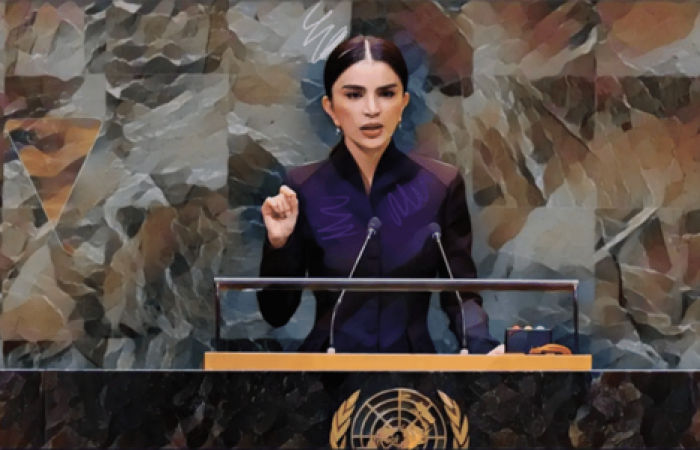
LINKS публикует пятый по счету обзор, посвященный армянским парламентским выборам, фокусируясь на позиции сторон по карабахскому вопросу

В пятой части своей серии обзоров по парламентским выборам в Армении в 2012 году, LINKS Анализ фокусируется на том, как партий, принимающие участие в выборах, решают вопрос о Нагорном Карабахе и на то, какой путь в будущем предлагают нам армянские политики для решения этого вопроса.

В заключении LINKS Анализ сообщает:

"На самом деле ни один из политиков не хочет, чтобы Карабах стал темой нынешней избирательной кампании, потому что это потребует от них дать ответы, которых они не имеют, или предпочитают не раскрывать, о том, как они будут иметь дело с решениями, которые должны быть приняты в ближайшие годы. Для армянских политических партий Нагорный Карабах слон в комнате, с которым им рано или поздно предстоит иметь дело.

Многие наблюдатели данного конфликта считают, что ситуация вокруг Нагорного Карабаха придет к какому-то решающему моменту в течение следующих пяти лет. Это может быть либо прорыв в переговорах, вызванный давлением международного сообщества, или эскалация военных действий низкой интенсивности, которые продолжают происходить ежедневно на линии фронта.Тотальная война тоже возможна, но маловероятна. При любом сценарии армянские политики должны занять определенную позицию. Независимо от того, что это будет они не делятся этой позицией с армянскими избирателями, которые по этому вопросу имеют очень маленький выбор между позициями партий, и можно только догадываться, какой будет позиция различных партий в любом будущем сценарий.

Вопрос, который часто задают "Действительно ли армяне в самой Армении заботятся о нагорно-карабахском конфликте?" Нет сомнений, что конфликт утомил и многие армяне предпочитают, чтобы их страна больше сосредоточилась на ее развитии. Однако это не означает, что людям не все равно, что случится с Карабахом, и политики должны все время держать это во внимании.

В тоже время армянские политики должны понять, почему, несмотря на то, что неурегулированные конфликты влияют и на другие постсоветские страны - Грузия, Молдова и Азербайджан, и, несмотря на тот факт, что из этих четырех Армения является единственной страной, которая утверждает, что "победила" в конфликте, как остальные три страны нашли способ двигаться дальше, в то время, как для Армении, Карабах продолжает нести ответственность, которую армянское государство несет на своей спине, оставив мало места для маневров. Изменение этой ситуации в более реалистичную и устойчивую потребует от армянских политиков мужества и дальновидности. На данный момент, если у них это и есть, то они не говорят никому об этом".


Вы можете прочитать полный обзор на английском языке на сайте LINKS Анализ
Related articles

Editor's choice
News
Aden under curfew, as problem in Yemen's south deepens

Aden under curfew, as problem in Yemen's south deepens

The port city of Aden, in Yemen's south, has been put under curfew, as the rift in the country between  the Saudi led coalition which  backs Yemen's presidential governing council, and the southern forces led by the Southern Transitional Council (STC), deepens. Abdul Rahman al-Mahrami, a member of the Yemeni Presidential Governing Council and commander of the al-Amalik brigades, has ordered a curfew in the temporary capital, Aden, "to maintain security". "A curfew has been imposed throughout Aden Governorate from 9:00 p.m. to 6:00 a.m., in accordance with the instructions of Commander Abdul Rahman al-Mahrami, a member of the Presidential Management Council," the statement said. It states that only security and military personnel, as well as medical and technical teams with approved permits, will be allowed to move in the area during these hours. Yemen's presidential council, which is backed by Saudi Arabia and which already is in a struggle with the Houthi Movement in the north of the country who also occupy the capital Sanaa, two days ago issued an order for the arrest of the head of the Southern Transitional Council (STC),, Aidarous al Zubaidi. The STC have wide support among people in the South, and advocate that South Yemen restores its independence. The coalition warned of further escalation in Aden, long regarded as an STC stronghold, as the Presidential Leadership Council (PLC) chief accused STC leader Aidarous Al Zubaidi of “high treason” and announced the revocation of his membership in the governing body. The moves mark a sharp escalation in tensions within the anti-Houthi camp, despite National Shield Forces, rivals of the STC and former allies, having recently retaken control of Hadhramaut and Mahra from southern fighters. The STC’s takeover of the two regions last month angered Saudi Arabia and contributed to igniting the current internal conflict. (click the picture to read more)

Popular

Editor's choice
News
Aden under curfew, as problem in Yemen's south deepens

Aden under curfew, as problem in Yemen's south deepens

The port city of Aden, in Yemen's south, has been put under curfew, as the rift in the country between  the Saudi led coalition which  backs Yemen's presidential governing council, and the southern forces led by the Southern Transitional Council (STC), deepens. Abdul Rahman al-Mahrami, a member of the Yemeni Presidential Governing Council and commander of the al-Amalik brigades, has ordered a curfew in the temporary capital, Aden, "to maintain security". "A curfew has been imposed throughout Aden Governorate from 9:00 p.m. to 6:00 a.m., in accordance with the instructions of Commander Abdul Rahman al-Mahrami, a member of the Presidential Management Council," the statement said. It states that only security and military personnel, as well as medical and technical teams with approved permits, will be allowed to move in the area during these hours. Yemen's presidential council, which is backed by Saudi Arabia and which already is in a struggle with the Houthi Movement in the north of the country who also occupy the capital Sanaa, two days ago issued an order for the arrest of the head of the Southern Transitional Council (STC),, Aidarous al Zubaidi. The STC have wide support among people in the South, and advocate that South Yemen restores its independence. The coalition warned of further escalation in Aden, long regarded as an STC stronghold, as the Presidential Leadership Council (PLC) chief accused STC leader Aidarous Al Zubaidi of “high treason” and announced the revocation of his membership in the governing body. The moves mark a sharp escalation in tensions within the anti-Houthi camp, despite National Shield Forces, rivals of the STC and former allies, having recently retaken control of Hadhramaut and Mahra from southern fighters. The STC’s takeover of the two regions last month angered Saudi Arabia and contributed to igniting the current internal conflict. (click the picture to read more)