


"ГОЛОСу АРМЕНИИ" не нравится COMMONSPACE

Армянский веб-сайт http://www.golosarmenii.am подверг критике статью, появившеюся недавно на www.commonspace.eu. Ниже мы приводим полную версию статьи. Ссылка на оригинальную версию статьи: http://www.golosarmenii.am/ru/20167/home/13298/


COMMONSPACE: ПРОСТРАНСТВО ДЛЯ ДИАЛОГА ИЛИ РАЗЖИГАНИЯ НЕНАВИСТИ?

Английская некоммерческая организация Links инициировала проект commonspace - "общее пространство", главной целью которого является "развитие диалога на тему отношений между Арменией и Азербайджаном и на более широкие темы, связанные с будущим Кавказского региона". На сайте www.commonspace.eu публикуются подготовленные журналистами двух стран статьи, новости, интервью и так называемые человеческие истории – о людях, пострадавших в ходе конфликта. Партнерами в проекте выступают армянское агентство АрмИнфо и азербайджанское 1news.az.

МОЖНО ТОЛЬКО ПРИВЕТСТВОВАТЬ ИНИЦИАТИВУ, НАПРАВЛЕННУЮ НА СТОЛЬ БЛАГИЕ ЦЕЛИ и призванную способствовать мирному урегулированию конфликта. Отметим, что было бы логично участие в нем и журналистов из Арцаха, тем более что одной из декларируемых целей проекта является "предоставление голоса людям, наиболее затронутым конфликтом", но спонсоры, видимо, думают иначе. Как указано на сайте проекта, его участники согласились придерживаться "добровольного Кодекса поведения", который в числе прочих предполагает также следующие принципы: 1) авторы соглашаются с тем, что их действия будут основываться на принципах толерантности, свободы слова и уважения различных мнений; 2) выражая свою точку зрения, мнение, участники будут избегать применения оскорбительных речей, слов, которые могут разжечь межнациональную рознь.

Казалось бы, критерии определены четко и ясно. Однако знакомство с публикациями в разделе, где размещает свои материалы азербайджанское агентство, ставит под весьма серьезные сомнения приверженность 1news.az подписанным соглашениям. В частности, 8 августа на сайте в рубрике "человеческие истории" появилась статья небезызвестной Т. Чаладзе под душещипательным заголовком "Судьба человека. Антика Аллахвердиева: "Вернувшись домой, на месте, где оставил тело сына, муж увидел на обгоревшей кровати пепел", в которой сия дама в лучших традициях своей "журналистской" деятельности расписывает "зверства армян" в отношении азербайджанских женщин и детей.

Прежде всего вызывает удивление появление на сайте миротворческого проекта такого автора, как Чаладзе, которую в самом Азербайджане неоднократно называли авантюристкой и мошенницей, обвиняя ее в незаконном получении, например, звания "ветерана Карабахской войны" со всеми вытекающими из него материальными благами. Со своей стороны отметим, что дама эта прославилась, во-первых, яростной защитой будапештского убийцы Р.Сафарова, явившись на одно из судебных заседаний в качестве "общественной защитницы" преступника и притащив с собой кучу азерпроповской макулатуры. Во-вторых, именно эта особа, вульгарно позиционируя себя в качестве "главного защитника ходжалинцев", обратилась в суд с иском против известного журналиста Э.Фатуллаева. Не будем упоминать других ее "подвигов" во имя алиевского режима и собственного благосостояния – и так ясно, что более неподходящей фигуры для пропаганды толерантности и развития диалога трудно придумать.

КАК СЛЕДСТВИЕ, В ОПУБЛИКОВАННОЙ СТАТЬЕ НАШЛИ МЕСТО ПАССАЖИ, которые иначе как разжигающими межэтническую ненависть не назовешь: армяне охарактеризованы как "те, кто преступил порог человеческой морали, кто ради иллюзорных мифов о "великой Армении" был готов убивать и грабить своих соседей, кто обрек сотни тысяч азербайджанских матерей на горе и страдания". Такой вот "диалог" развивают азербайджанские участники проекта, узревшие в миротворческом проекте всего лишь очередную площадку для продвижения омерзительных азерпроповских клише.

Между тем вызывает удивление то обстоятельство, что сами координаторы не выполняют одно из условий соглашения, а именно: "Любой материал, содержащий в себе клеветническую информацию, попытки разжигания межнациональной розни, порнографию, должен быть удалён". Трудно сказать, чего больше в публикации Чаладзе – клеветы, разжигания розни или порнографии определенного рода, но однозначно, что статью обязаны были удалить с сайта миротворческого проекта. Тем не менее опус до сих пор красуется на "общем пространстве".

С целью получить комментарии остальных участников проекта мы обратились в агентство АрмИнфо и направили письмо координаторам. Генеральный директор АрмИнфо Эммануил Мкртчян был категоричен относительно того, что публикующиеся на сайте "человеческие истории" не должны содержать оценок, тем более – такого рода. "Изначально между участниками была достигнута договоренность избегать оскорбительных выражений в адрес другой стороны, и мы в своих публикациях стремимся придерживаться этих принципов. Однако то, что делает наш партнер в Азербайджане, однозначно неприемлемо, поскольку нарушает достигнутые соглашения и противоречит целям проекта. Они просто используют предоставляемую проектом интернет-площадку для антиармянской пропаганды. Раньше такие попытки азербайджанских участников пресекались координаторами, однако сейчас 1news.az воспользовалось тем, что координаторы находятся в отпуске и вовремя не проследили за публикацией в азербайджанском разделе сайта".

НАМ НЕОДНОКРАТНО ПРИХОДИЛОСЬ ПИСАТЬ О СПЕЦИФИКЕ МИРОТВОРЧЕСКИХ ПРОЕКТОВ В ЗОНЕ КАРАБАХСКОГО КОНФЛИКТА, которая определяется не только объективными причинами, но и своеобразием подходов азербайджанской стороны, в данном случае под видом "человеческой истории" подсунувшей читателям очередной образчик оголтелой армянофобии. Однако, если говорить в целом о миротворчестве в регионе, то всем инициаторам и организаторам такого рода проектов необходимо в первую очередь выяснить для себя один вопрос, а именно: реальную готовность и желание участников отставить политико-пропагандистские интересы и пытаться действительно работать во благо региона, мира и общественного диалога. В ситуации же, когда одна из сторон – неважно, под диктовку сверху или добровольно – под ширмой миротворчества продолжает антиармянскую пропаганду и развивает деятельность в обратном направлении, говорить об эффективности проектов вряд ли возможно. И если организация-координатор потакает этим потугам, то поневоле возникают серьезные сомнения уже в истинной цели инициаторов и спонсоров проектов.

Кстати, проект Сommonspace реализуется в рамках Европейского партнерства и при поддержке Евросоюза. Неужели ЕС безразлично, что выделенные средства используются одним из участников проекта для разжигания межнациональной ненависти, вражды и пропаганды расизма? Не хотелось бы также думать, что организация Links видит "будущее Кавказского региона" именно в этой перспективе.

P.S. Вчера до окончания рабочего дня мы так и не дождались ответа от координаторов проекта - организации Links и ее руководителя Денниса Саммута. В случае получения комментарии будут опубликованы в следующем номере "ГА".


Представитель Commonspace сказал: "Commonspace призвано обеспечить форум для различных мнений. Некоторые из высказанных мнений эмоциональны и спорны, но они отражают более широкие взгляды в обществах, которые должны быть услышаны. Каждый день мы принимаем редакционные решения относительно того, в какой степени та или иная опубликованная статья вписывается в наш добровольный Кодекс поведения. Мы считаем, что наши читатели достаточно умны, чтобы делать собственные выводы по всем материалам.
 
Мы ценим критику и будем принимать все мнения во внимание при оценке нашей работы."

Latest

Editor's choice
Monday Commentary
Monday Commentary: PEACE IN OUR TIME?

Monday Commentary: PEACE IN OUR TIME?

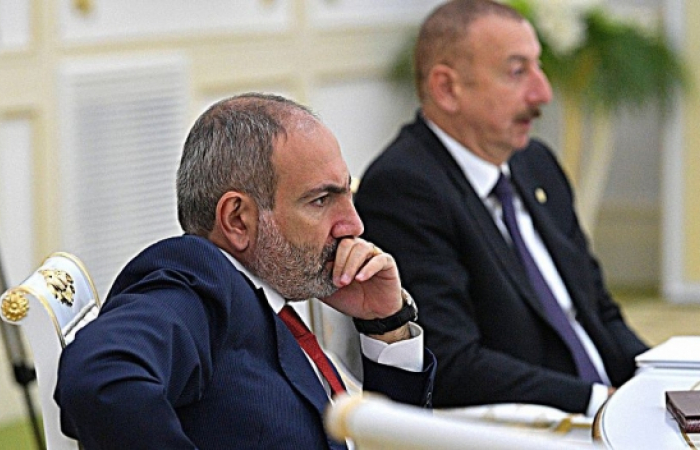
Making peace between Armenia and Azerbaijan was never going to be simple, nor easy, nor quick. It is taking time, writes Dennis Sammut in this Monday Commentary. “There is a sense of realism coming from the leaders of the two countries – President Ilham Aliyev of Azerbaijan and prime minister Nikol Pashinyan of Armenia, that frankly, is necessary and welcome”, he writes. At a time when conflicts are raging all over the world – from Ukraine to the Gulf, from Africa to South Asia, the prospect that Armenia and Azerbaijan had finally, after decades of conflict that left thousands of dead and many more displaced, decided on embarking on a journey of peace was welcomed. Peace between Armenia and Azerbaijan can be top-down up to a point. Both leaders have spent political capital preparing for a peace deal. But both are aware that their people are not ready for peace yet. In fact, in Armenia, most of the elite are negative toward a peace deal with Azerbaijan. Pashinyan needs time to persuade his countryfolk. That is why 2031 is realistic. Ilham Aliyev runs a tighter shop, but he is also not immune to public opinion. Every time someone hits a landmine in Karabakh, which unfortunately happens often, peace comes into question. Which is why Aliyev chooses to sound hardline, more often than not. In pursuing the peace agenda, both Aliyev and Pashinyan need to proceed cautiously. But they are right in making peace the central issue in their agenda. It is the main issue, and the one that will define them in history. So forward, cautiously but resolutely! In pursuing the peace agenda, Aliyev and Pashinyan need to be supported clearly and unambiguously. There are too many people in Baku and Yerevan who are sitting on the sides, waiting. The international community is not doing enough. It is time to be counted. Otherwise, the spoilers will win, and the region will go back to its bad habits. (Click the image to read the full commentary).

Popular

Editor's choice
Monday Commentary
Monday Commentary: European-Azerbaijan relations need an intensive and multifaceted dialogue that is frank and honest

Monday Commentary: European-Azerbaijan relations need an intensive and multifaceted dialogue that is frank and honest

Last week I visited Baku, Azerbaijan. My visit was relatively short, but very intensive, and had many meetings with stakeholders and colleagues. When I arrived in Baku first time in 1996,  Azerbaijan was a different country: weak, poor, and shaken by defeat in war. For thirty year the Karabakh issue dominated the agenda: the political agenda but also the popular mindset. Now, thirty years later, Azerbaijan has returned to Karabakh, and peace with Armenia is on the horizon. It is a new era for Armenia-Azerbaijan relations, for the South Caucasus, but also for Europe.  But we cannot be complacent: the Peace agreement has been initialed but not signed; borders remain closed; TRIPP is ambitious but remains an idea; and there are spoilers who want to turn the clock back. We must not allow them, and in this Europe and Azerbaijan must work together. Europe’ vanguard organization is the European Union – it is a free union of 27 member states; it is a strong global economic force, and increasingly a diplomatic and military force too. But it remains “work in progress” and can often appear dysfunctional. It often lacks collective and institutional memory. In its dealings with Azerbaijan the EU has made many mistakes – not least opening the delegation here late – in 2008. It sometimes appears condescending. Some utterances from the European Parliament and from some quarters in some member states are not understandable even for me. They irritate the Azerbaijanis, but serve no other purpose But Azerbaijan has also not handled relations with the EU well. It has failed to respond when the hand of friendship reached out; and it confused irritating actions, sometimes by well-meaning people; sometimes by outright spoilers, with strategic action. In short, EU-Azerbaijan relations have suffered from a lack of proper dialogue. This dialogue must be frank, honest and multi-faceted involving different segments of society on both sides.   Is Azerbaijan Europe? When Azerbaijan applied to join the Council of Europe in the 1990s, there were some who opposed, saying this was not Europe. I was one of the people who argued that Armenia and Azerbaijan may be on the periphery of the continent geographically, but were European in essence. Certainly their elites. During the discussion on 4 September in Baku, my friend Farhad Mammedov, mentioned that Azerbaijan is not interested in joining the EU, and was now close to the Central Asian countries in the 5 plus 1 format. Neither things mean that Azerbaijan is not Europe. There are several European countries that are not in the EU, and do not want to be, for example Norway and Switzerland. Iceland has recently voted to stay out of the EU. The UK was a member and left. Europe is bigger than the EU, and the holding of the European Political Community summit in Baku in 2027 proves that. Despite all the rhetoric, I never heard the president of Azerbaijan  saying that Azerbaijan is not Europe, nor have I heard any European president say it either. Not wanting to join the EU and forging close relations with neighbouring regions does not make Azerbaijan any less European. It is only logical that when Europeans talk to Azerbaijan they talk like family. The conversation is often frank. It must also be honest, and Europeans need always to remember this too. A frank, honest and multi-faceted dialogue A frank, honest and multifaceted dialogue will contribute to relations between Azerbaijan and the rest of Europe: it will avoid misperception, which unfortunately is very common on both sides; it will provide a forum where problems can be discussed and resolved, and it will increase mutual trust, so that together common problems can be addressed. (click image to read the full Monday Commentary)
Editor's choice
Monday Commentary
Monday Commentary: “The barren rocks of Aden” and “These lands of Yemen are so ruthless”

Monday Commentary: “The barren rocks of Aden” and “These lands of Yemen are so ruthless”

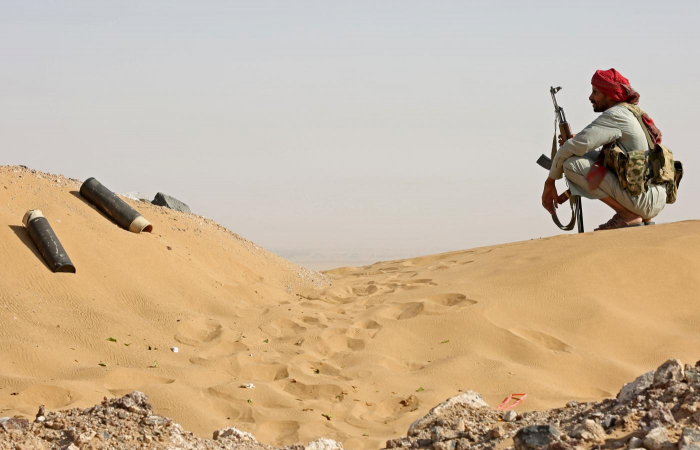
There are two early 20th-century tunes that mark foreign attempts to occupy and “pacify” Yemen. The Scottish tune “The barren rocks of Aden” marks the mobilisation of Highland soldiers, enlisted to be deployed to the Yemeni port of Aden, that in 1837 became the last colony to be incorporated into the British Empire. The tune talks of the harshness of the terrain, but is celebratory, It was even played as a farewell tune to Sir William Luce at the parade in Sharjah celebrating his end as “British Viceroy” in the Middle East in 1966. The second tune is an Anatolian lament. As Ilker Sezer reminded us this weekend, in his weekly feature on “Turkiye Today”, it “mourns the tragic fate of Ottoman soldiers dispatched to the harsh, remote deserts of Yemen during the fall of the empire, young men who marched away from their villages and never returned home. Most of their names, and numbers, were never recorded. Yet, their fate left a mark on the Turkish psyche.” Subsequent invaders have discovered that Yemen is a grave that cannot be overcome by the strength of modern technology, and that whilst Yemeni society is splintered and divided, building a reliable alliance with Yemeni factions is difficult. These are the harsh lessons facing Saudi Arabia, as the Kingdom faces its biggest challenge in its modern history. The leadership of the Kingdom now has to respond decisively. At stake is their very credibility. This is likely to be a long and messy conflict. Saudi military objectives need to be focused: to box in the Houthis rather than destroy them. This is likely to include: (a) regaining territory lost on the Red Sea coast; (b) control over Bab el Mandeb Strait; (c) some kind of cordon sanitaire on the Saudi-Yemeni border; and if things go well (d) the capture of Sanaa. All this would not eliminate the Houthi problem, but it will contain it. In the end the Saudis will have to continue managing Yemen with a mixture of carrot and stick. For the moment, the stick is likely, but the carrot cannot be forgotten either. (click the image to read the Monday Commentary in full)