


Габала символ российской дилеммы. Важность объекта в настоящее время больше политическая, чем военная.
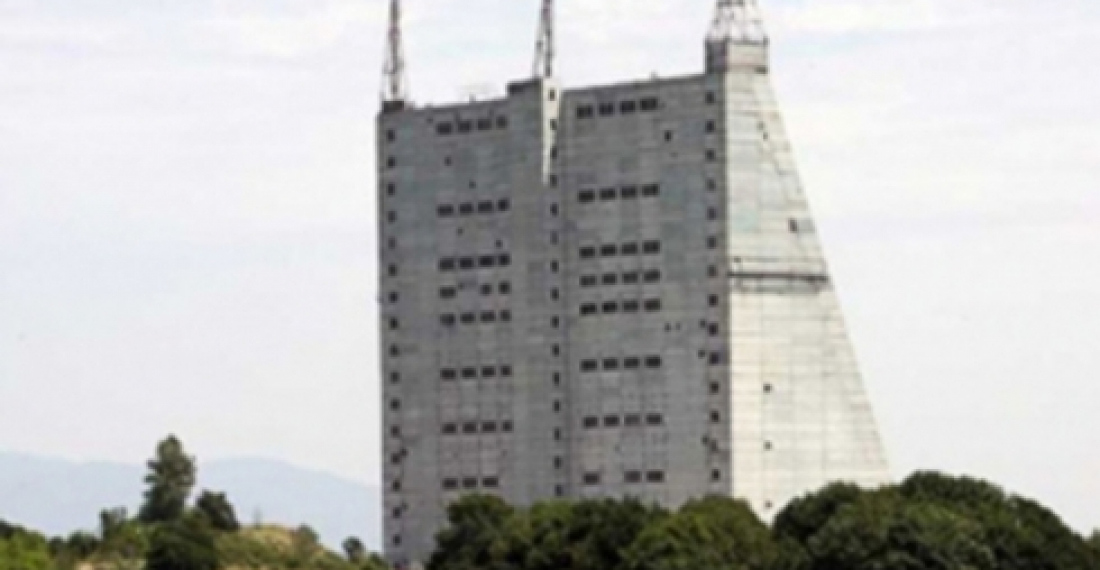

Российский военный объект в азербайджанской Габале быстро становится символом российской дилеммы о том, как строить отношения со своими соседями. Габалинская РЛС является единственным российским военным объектом, остающимся в Азербайджане, и Россия стремится удержать его скорее по политическим, нежели военным соображениям. Соглашение по объекту истекает в конце этого года, а переговоры об его продлению продолжаются уже более года.

По последним сообщениям из российских СМИ, камнем предкновения в переговорах стал срок нового соглащения. Россия хочет продлить договор ещё на 49 лет, подобно тому, который она подписала недавно с Арменией по военным объектам, расположенным там. Соглашения на 49 лет были подписаны и по российским военным объектам в зоне грузинских сепаратистских территорий Абхазия и Южная Осетия.

Однако многие критиковали срок этих соглашений, и подразумевается, что объекты носят постоянный, а не временный характер. Азербайджан, по сообщениям, хочет подписать по Габале только краткосрочный договор на 5-7 лет.

Пока не ясно, что происходит по двум другим спорным вопросам: стоимость аренды и требование Азербайджана сделать Габалу объектом двойного пользования, что позволит Азербайджану извлечь пользу из данных, предоставляемых объектом. Оба вопроса были упомянуты в начале этого года, когда проходили переговоры между министерствами обороны двух стран.

По разным причинам ни правительство России, ни правительство Азербайджана не хотят эскалации проблемы, и переговоры ведутся за пределами общественного внимания. Но Габала становится все более интересной темой для СМИ России. Одной из причин является то, что параллельно межправительственным переговорам протекает другой процесс, который, вероятно, направлен на сокращение затрат на данный объект.

В вчерашнем выпуске "Независимой газеты" на передней странице была опубликована статья Виктора Литовкина с заголовком "Бабий бунт Габалы", в которой он говорит, что жены российских офицеров, работающих на объекте Габалинской РЛС в Азербайджане пожаловались президенту о планах Министерства обороны о закрытии местного детского сада и школы. Закрытия являются частью плана по сокращению численности персонала на предприятии.

В то время, как российская армия приступила к реализации амбициозной программы оптимизации и модернизации она вынуждена иметь дело с подобными ситуациями, как Габала по всему постсоветскому пространству и за его пределами, где политическое значение объектов в настоящее время перевешивает военные соображения.

В конце концов, вопрос о Габалинской РЛС будет решен не по военным соображениям, а по политическим. Результат покажет нам, где на данный момент находятся отношения между Россией и Азербайджаном.

Источник: commonspace.eu

Фото: Российская РЛС в Габале (фото из архива)

Related articles

Editor's choice
News
Women emerge favourite to lead United Nations from next year, after straw-poll of UN Security Council members

Women emerge favourite to lead United Nations from next year, after straw-poll of UN Security Council members

​ Two women have emerged as favourite to lead the United Nations as Secretary-General from 1 January 2027, when the term of the present incumbent, Antonio Gutteres, expires. A straw poll of the members of the UN Security Council, held on Thursday, 30 July showed that of the seven candidates, Rebecca Grynspan of Costa Rica and Carolyn Rodriguez-Birkett of Guyana received ten and nine positive endorsements respectively, by the 15 members UN Security Council Although the poll and its result are supposed to be secret, the result leaked within minutes, and was carried on world media outlets, such as Reuters. The result was as follows   Michelle Bachelet 6 encourage 5  discourage   4 no opinion María Fernanda Espinosa 5 2 8 Rafael Grossi 7 2 6 Rebeca Grynspan 10 1 4 Olara Otunnu 2 5 8 Carolyn Rodrigues-Birkett 9 2 4 Macky Sall 6 7 2   Article 97 of the UN Charter states that the “Secretary-General shall be appointed by the General Assembly upon the recommendation of the Security Council”. Straw polls are informal ballots used to determine the viability of Secretary-General candidates.  The seven current candidates are: Michelle Bachelet Jeria (Chile), who was nominated by Brazil, Chile, and Mexico on 2 February, with Chile withdrawing its nomination on 24 March; María Fernanda Espinosa Garcés (Ecuador), who was nominated by Antigua and Barbuda on 11 May; Rafael Mariano Grossi (Argentina), who was nominated by Argentina on 26 November 2025; Rebeca Grynspan Mayufis (Costa Rica), who was nominated by Costa Rica on 3 March; Olara Otunnu (Uganda), who was nominated by Uganda on 24 July; Carolyn Rodrigues Birkett (Guyana), who was nominated by Guyana on 15 June; and Macky Sall (Senegal), who was nominated by Burundi on 2 March. At Thursday's straw poll, there was no difference between the ballots presented to the five permanent members (P5) and the ten elected members (E10). Council members received one ballot per candidate, containing the candidate’s name followed by three options: “encouraged”, “discouraged”, and “no opinion expressed”.   It is ofcourse early days, and the straw poll is just an informal indication of the mood of the UN Security Council, but the strong showwing by the two womencandidates may be an indication that for the first time, the head of the UN can be a women. (click image to read more) ​

Popular

Editor's choice
Interview
Thursday Interview: Murad Muradov

Thursday Interview: Murad Muradov

Today, commonspace.eu starts a new regular weekly series. THURSDAY INTERVIEW, conducted by Lauri Nikulainen, will host  persons who are thinkers, opinion shapers, and implementors in their countries and spheres. We start the series with an interview with Murad Muradov, a leading person in Azerbaijan's think tank community. He is also the first co-chair of the Action Committee for a new Armenian-Azerbaijani Dialogue. Last September he made history by being the first Azerbaijani civil society activist to visit Armenia after the 44 day war, and the start of the peace process. Speaking about this visit Murad Muradov said: "My experience was largely positive. My negative expectations luckily didn’t play out. The discussions were respectful, the panel format bringing together experts from Armenia, Azerbaijan, and Turkey was particularly valuable during the NATO Rose-Roth Seminar in Yerevan, and media coverage, while varied in tone, remained largely constructive. Some media outlets though attempted to represent me as more of a government mouthpiece than an independent expert, which was totally misleading.  Overall, I see these initiatives as important steps in rebuilding trust and normalising professional engagement. The fact that soon a larger Azerbaijani civil society visits to Armenia followed, reinforces the sense that this process is moving in the right direction." (click the image to read the interview in full)


