Азербайджан обдумывает принятие закона "Об оккупированных территориях"
Принятие отдельного закона о Карабахе было предложено в парламенте Азербайджана, после обсуждений несколько дней назад в ходе которых некоторые депутаты раскритиковали комментарий министра иностранных дел России Сергея Лаврова, сделанные во время его визита в Ереван.

"Если в Азербайджане будет единый закон об оккупированных территориях, армяне-сепаратисты в Карабахе не смогут участвовать в каких-либо экономических программах", заявил во вторник Агентству Trend News член парламентского комитета по вопросам безопасности и обороны Захид Орудж. По его словам, это также заставит международные организации отказаться от выделения средств Нагорному Карабаху.

"Армяне-сепаратисты Карабаха налаживают связи с различными зарубежными организациями. Посредством посольств за рубежом Азербайджан направляет ноты, заявления. Но после принятия конкретного закона о Карабахе как территории Азербайджана его суверенные права будут безоговорочно учитываться, любые зарубежные, экономические и политические связи Карабаха признаваться не будут", - сказал он.

По положениям закона, будет запрещено подписывать любые договоры с какими-либо структурами в ущерб Карабаху, любые международные или национальные документы, связанные с Карабахом, будут объявлены недействительными, отметил депутат.

Часто граждане различных зарубежных стран, деятели культуры и искусства, а иногда и парламентарии едут в Карабах, сказал Орудж. Их имена вносятся только в "черный список", подготовленный в МИД республики, тогда как это можно реализовать на уровне закона.

"Я подготовил аналогичный законопроект по Карабаху", - заявил во вторник Агентству Trend депутат Милли Меджлиса, член парламентского комитета по правовой политике и государственному строительству Гудрат Гасангулиев.

Он сказал, что неоднократно поднимал этот вопрос на предыдущих сессиях парламента, и подчеркнул важность принятия закона об оккупированных территориях. По его словам, подготовленный законопроект будет передан в комитет, который он представляет.

Политический редактор Commonspace.eu говорит в комментарии, что "Грузия приняла аналогичный закон, после войны 2008 года с Россией, и это было предметом многих споров и напряженности в отношениях с международным сообществом. Этот закон был в конечном счете смягчен, но многие по-прежнему считают, что он не является ни полезным для Грузии, ни для усилий, направленных на решение проблем в Абхазии и Южной Осетии. Этот закон делает эти территорий еще более зависимыми от России, он изолирует их от более широких международных процессов, и это подрывает усилия по укрепление доверия между общинами, разделенных конфликтом. Аналогичный закон в Азербайджане будет иметь тот же эффект и даже хуже. Азербайджан уже имеет строгую политику в отношении взаимодействия с де-факто властями Нагорного Карабаха. Такая политика не всегда осуществляется равномерно и существует необходимость большей прозрачности в этом вопросе.

Политический редактор Commonspace.eu добавил: "Многие из проблем правительств Грузии и Азербайджана могут решаться на основе международного права и не нуждаются в конкретном внутреннем законодательстве. Если Парламент Азербайджана решил продвинуть вперед идею отдельного закона по этому вопросу, то ему стоит провести широкие консультации с международным сообществом для того, чтобы убедиться, что законодательство не будет создавать вредных и неожиданные побочных эффектов".

Источник: commonspace.eu по материалам Агентства Trend

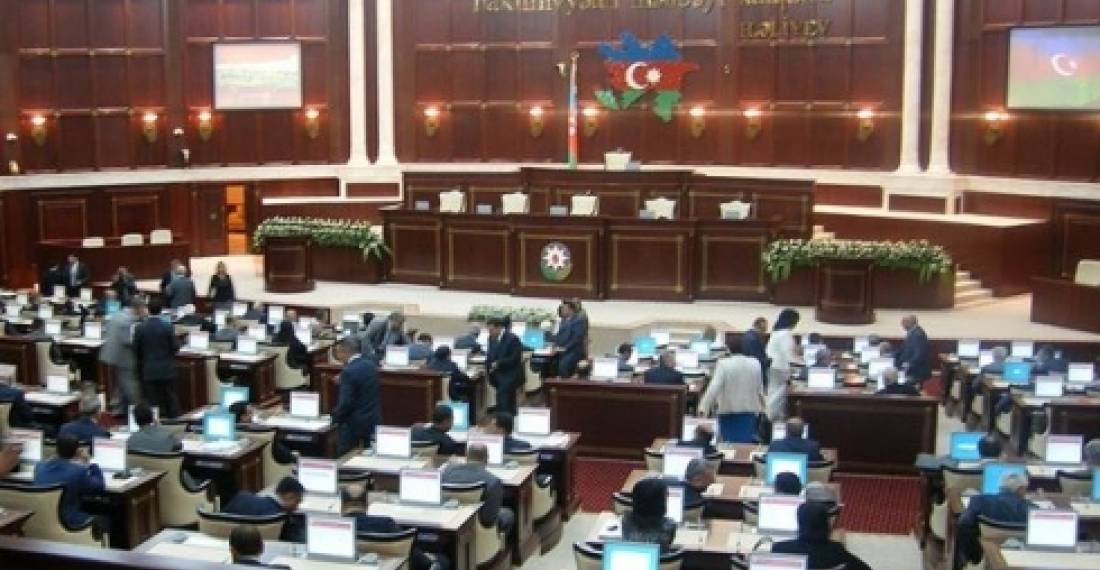
Фото: Парламент Азербайджана (фото из архива)

Related articles

Editor's choice
News
''Coalition of the Willing'' meets in Kyiv to restate its support for Ukraine

''Coalition of the Willing'' meets in Kyiv to restate its support for Ukraine

The ''Coalition of the  Willing''  of thirty five countries, has renewed its support of Ukriane, at a meeting in Kyiv, held on Ukraine's national day on 24 August, under the chairmanship of British Prime Minister,A ndy Burnham. Burnham has promised to keep up the pressure on Russia despite Moscow's "outrageous threats", on his first official visit to Ukraine as UK prime minister. Burnham met Ukrainian President Volodymyr Zelensky and chaired his first meeting of the "coalition of the willing", set up by the UK and France under his predecessor Sir Keir Starmer. He said the coalition was "doing everything we can" while urging the US Congress to "ratchet up" economic pressure on Russia. The government has agreed to hand over blueprints for British-made components for the Scalp missile, a French version of the UK's Storm Shadow cruise missile - allowing Ukraine to produce the long-range weapon domestically. During the meeting with France and Ukraine, Burnham said allies were doing "everything we can" to "dig into our own stocks and help others dig into their stocks" of air defences to protect Ukraine. "This is the moment to keep up the pressure on Russia, the moment to squeeze their ability to fund this illegal war," Burnham said, praising the "strength" of the Ukrainian people. "Ukraine has been Europe's protector, not a drain on our security but the front line in keeping Europe safe." It comes after Kremlin spokesman Dmitry Peskov criticised the UK's decision to share the missile blueprints. Peskov said it prevented "even the slightest progress" towards achieving peace. He told reporters on Monday that the Russian military was already gathering data to locate any missile production sites to destroy them. "Britain is involved in this war on the side of the Kyiv regime. Britain methodically and regularly adds fuel to the fire," he added. In response, Burnham said: "Who started the fire? That's the question, isn't it?" He added the issue of missile interceptors would be the main topic at the coalition of the willing meeting. Burnham chaired his first meeting of the "coalition of the willing" in Kyiv Burnham has been reaffirming the UK's backing for Kyiv in the wake of escalating Russian strikes on Ukraine in recent weeks - including one on a shopping centre on Friday that killed at least 16 people. In a joint statement after the meeting, Burnham and co-chairs French President Emmanuel Macron and German Chancellor Friedrich Merz said the group would aim to strength Kyiv's air defences "as a matter or urgent priority". They also condemned Moscow's "systemic and escalating strikes against Ukraine's cities, critical infrastructure and civilians" and pledged to "constrain Russia's war chest through sanctions and actions against the "shadow fleet". (click image to read more).

Popular

Editor's choice
Interview
Thursday Interview: Murad Muradov

Thursday Interview: Murad Muradov

Today, commonspace.eu starts a new regular weekly series. THURSDAY INTERVIEW, conducted by Lauri Nikulainen, will host  persons who are thinkers, opinion shapers, and implementors in their countries and spheres. We start the series with an interview with Murad Muradov, a leading person in Azerbaijan's think tank community. He is also the first co-chair of the Action Committee for a new Armenian-Azerbaijani Dialogue. Last September he made history by being the first Azerbaijani civil society activist to visit Armenia after the 44 day war, and the start of the peace process. Speaking about this visit Murad Muradov said: "My experience was largely positive. My negative expectations luckily didn’t play out. The discussions were respectful, the panel format bringing together experts from Armenia, Azerbaijan, and Turkey was particularly valuable during the NATO Rose-Roth Seminar in Yerevan, and media coverage, while varied in tone, remained largely constructive. Some media outlets though attempted to represent me as more of a government mouthpiece than an independent expert, which was totally misleading.  Overall, I see these initiatives as important steps in rebuilding trust and normalising professional engagement. The fact that soon a larger Azerbaijani civil society visits to Armenia followed, reinforces the sense that this process is moving in the right direction." (click the image to read the interview in full)