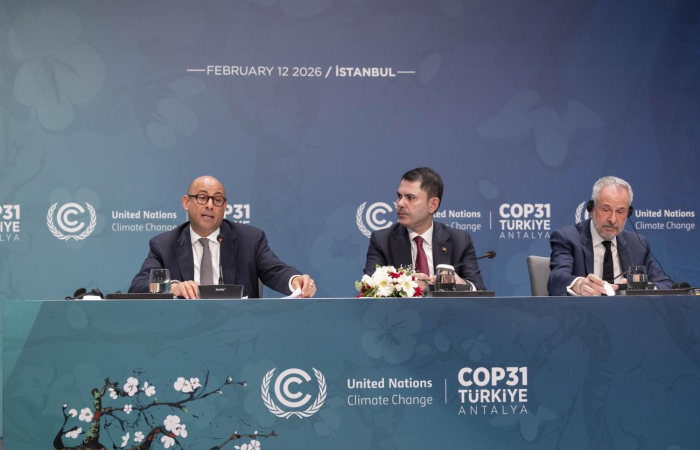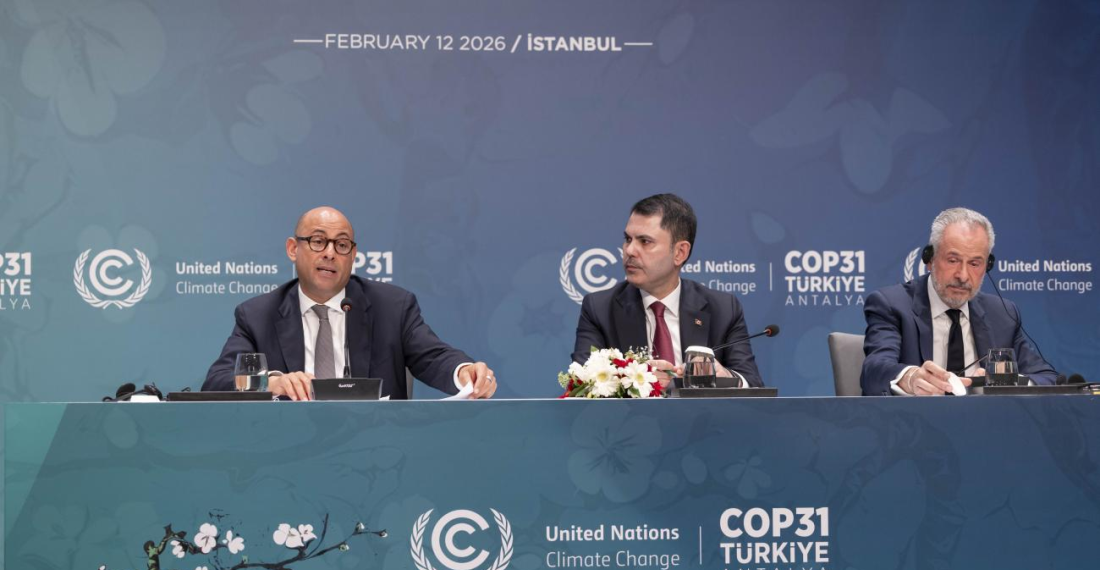
The third day of COP31 in Antalya, Türkiye, on Wednesday, November 11, saw renewed calls for increased financial support for vulnerable countries and stronger urban resilience. While cities presented concrete initiatives to reduce emissions and prepare for climate impacts, disagreements over adaptation finance continued to expose divisions between developed and developing nations.
United Nations General Assembly (UNGA) President Dr Khalilur Rahman urged world leaders to turn existing climate commitments into measurable results, warning that current policies put the world on course for approximately 2.8°C of warming, well above the Paris Agreement's 1.5°C target.
Speaking to reporters, Rahman identified three priorities: accelerating the transition to clean energy, securing predictable climate finance and protecting vulnerable communities. He called for global greenhouse gas emissions to fall by 45% by 2035 and renewable energy capacity to expand by approximately 1,200 gigawatts annually. He also urged governments to translate COP31's 2035 sectoral targets on electrification, sustainable buildings and green industry into national strategies.
On climate finance, Rahman highlighted the disparity between developing countries' estimated annual adaptation needs of up to $305 billion and the approximately $26 billion currently available. He called for accessible, predictable, grant-based funding, stronger support for the Loss and Damage Fund and financial allocations based on vulnerability rather than income levels. He further emphasised early warning systems, disaster preparedness and community-level adaptation, including the use of artificial intelligence to reach remote populations. Describing the conference as an opportunity to move beyond political declarations, he said: "Let this be the COP of implementation."
Wednesday was also dedicated to resilient cities and the built environment, with mayors, development banks and construction companies presenting progress under the COP31 Action Agenda. A total of 69 mayors, representing more than 250 million people, signed the 2027 "Yearly Offer of Action", marking a 60% increase in participation compared with the previous year. Proposed initiatives include flood-warning systems in Addis Ababa, London's first dedicated heat plan and the improvement of the energy efficiency of 400 commercial buildings in Melbourne.
Subnational development banks have also expanded their involvement in climate financing, distributing $308 million in urban climate funding during 2026. Projects include flood protection in Senegal, and drinking water and river restoration in Colombia. In Brazil, a partnership bringing together C40 Cities, the Global Covenant of Mayors for Climate & Energy and Bloomberg Philanthropies has formalised procurement for more than 200 electric buses.
Meanwhile, the World Green Building Council reported that more than 970 companies had endorsed national decarbonisation roadmaps, while the number reporting measurable progress in reducing building emissions had increased nearly fivefold in one year, exceeding 300.
Despite these implementation efforts, negotiations over adaptation finance remained contentious. The African Group of Negotiators (AGN) failed to secure a separate agenda item dedicated to the issue after the proposal did not achieve consensus during Monday's opening session. While discussions of this issue can be expected to take place under existing agenda items, this outcome ultimately means there will be no dedicated negotiating track to establish how the commitment to at least triple adaptation finance by 2035, agreed at COP30 in Belém, will be measured and implemented.
Arguing that establishing a clear baseline and timeline was essential to monitoring progress, AGN is now seeking to give the commitment greater prominence in the conference's final political declaration. Emphasizing a shared responsibility, Kenyan climate adviser Amos Wemanya stressed that African countries – contributing approximately 4% of global greenhouse gas emissions but facing severe consequences – could not continue financing adaptation largely through their own national budgets.
Source: Anna Szedlacsek for commonspace.eu with Radio France Internationale (Issy-les-Moulineaux), The Climate Watch (Dhaka), and United Nations Framework Convention on Climate Change (Bonn).
You can read more about COP 31 in Antalya through regular updates prepared by Anna Szedlacsek
Update 1: A Summit Focused on Implementation, Electrification and Climate Finance here
Update 2: Summit Opens in Turkey Amid Growing Pressure to Turn Climate Commitments into Action here
Update 3: Global Push for Electrification Meets Turkey’s New Oil Discoveries here
Update 4: World leaders address Climate Summit in Antalya here