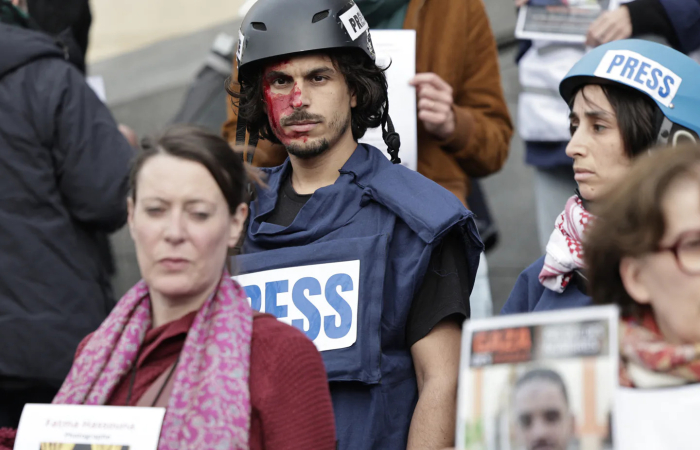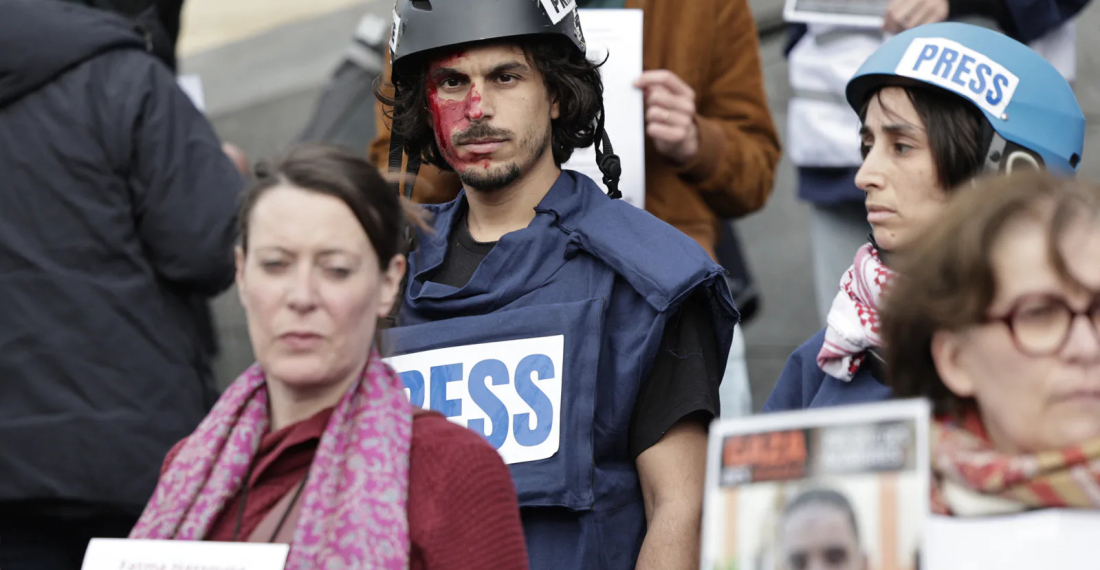
Freedom of the press around the world has dropped to its lowest level in a quarter century, reports the Paris-based freedom NGO Reporters Sans Frontières (RSF), or Reporters Without Borders.
Each year, the RSF releases a World Press Freedom Index covering 180 countries, allowing media outlets and journalists to be compared across countries. Each country is ranked on a five-point scale that indicates its relative press freedom, ranging from “very serious” to “good”.
The 2026 index, released on Thursday (30 April), has set a new record low for press freedom since the RSF started covering it in 2002, placing over half of the world’s countries' freedom of press into the “difficult” and “very serious” categories.
In the report, the RSF claimed that these trends represent a global trend in the “criminalisation of journalism, which is rooted in circumventing press law and misusing emergency legislation and common law”.
Additionally, RSF reported that sixty percent of countries, 110 out of 180, have criminalised media workers in crackdowns inflicted by states, noting India (157th), Egypt (169th), Georgia (135th), Türkiye (163rd) and Hong Kong (140th) as clear examples.
Anna Bocande, RSF’s Editorial Director, is quoted in the report, where she cited “authoritarian states, complicit or incompetent political powers, predatory economic actors and under-regulated online platforms” as the primary drivers “for the global decline in press freedom”.
“Current protection mechanisms are not strong enough; international law is being undermined and impunity is rife,” she stated.
“The ball is in the court of democracies and their citizens. It is up to them to stand in the way of those who seek to silence the press. The spread of authoritarianism isn’t inevitable.”
Source: commonspace.eu with Al Jazeera and RSF