


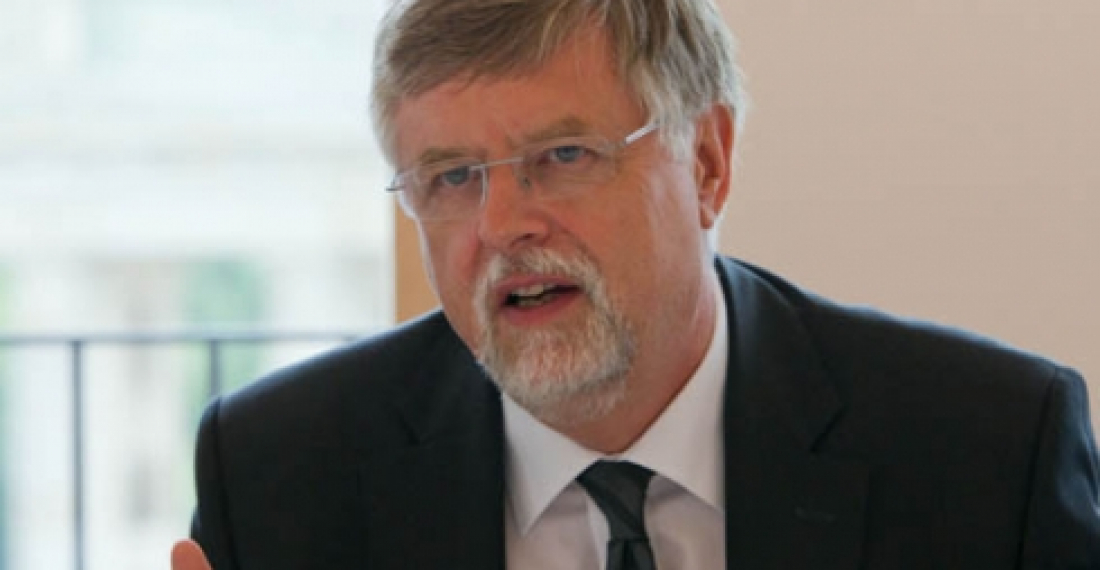
Зальбер переназначен спецпредставителем ЕС на Южном Кавказе.

Совет Европейского Союза, представляющий 28 государств-членов, вновь назначил посла Герберта Зальбера Специальным представителем ЕС на Южном Кавказе. Назначение посла Зальбера продлено до февраля 2017 года.

Посол Герберт Зальбер был назначен специальным представителем ЕС на Южном Кавказе и по кризису в Грузии 8 июля 2014. Его задача заключается в содействии мирному урегулированию конфликтов в регионе, в том числе по кризису в Грузии и нагорно-карабахскому конфликту, а также поддержние регионального сотрудничества. В частности, специальный представитель является сопредседателем и участвует от имени ЕС в Женевских международных переговорах по последствиям конфликта 2008 года в Грузии.

По словам политического редактора Commonspace.eu, роль Специального представителя на Южном Кавказе является очень важной, несмотря на то Европейский Союз представлен полными делегациями во всех трех странах Южного Кавказа. Однако, спецпредставитель, прежде всего, ответственен за двусторонние отношения. С другой стороны, специальный представитель ЕС стремится работать с более обширными вопросами, такими как конфликты и региональное сотрудничество. Поскольку в регионе также есть три непризнанных образования или частично признанных, которые существуют как квази государства, Абхазия, Южная Осетия и Нагорный Карабах, то СПЕС также поддерживает контакт и с ними, несмотря на то, что ЕС не признает независимость и суверенитет этих образований. Необходимо обеспечить то, чтобы у ЕС были каналы связи со всеми сторонами, участвующими в конфликтах в этом регионе. Специальный представитель также поддерживает контакты с региональными державами.

Одним из первых заданий посла Зальбера после его повторного назначения будет участие в составе делегации ЕС в рамках председательства Люксембурга на 22-м заседании министров ОБСЕ в Белграде, где, как ожидается, будут обсуждаться вопросы связанные с Южным Кавказом как на официальных встречах, так и в кулуарах ежегодного саммита.

источник: commonspace.eu

 

Related articles

Editor's choice
News
Borrell tells the European Parliament that the situation in Afghanistan was critical, but the EU will remain engaged

Borrell tells the European Parliament that the situation in Afghanistan was critical, but the EU will remain engaged

Borrell underlined that the European Union will make every effort to support the peace process and to remain a committed partner to the Afghan people. "Of course, we will have to take into account the evolving situation, but disengagement is not an option.  We are clear on that: there is no alternative to a negotiated political settlement, through inclusive peace talks.
Editor's choice
News
Germany accuses Russia of cyberattacks and disinformation campaign

Germany accuses Russia of cyberattacks and disinformation campaign

The German government holds Russia responsible for a cyberattack on German air traffic control, and for targeted disinformation campaigns before the last federal election. According to the German Foreign Office in Berlin, the incidents could be clearly attributed to the Russian military intelligence service, the GRU. In response, the Russian ambassador to Berlin was summoned to the Foreign Ministry. "We have been observing a massive increase in threatening hybrid activities by Russia for some time now," a spokesperson for the Foreign Ministry stated. These range from disinformation campaigns and espionage to cyberattacks and sabotage attempts. The aim is to divide society, sow distrust, and undermine confidence in democratic institutions. The spokesperson added that with these actions, Russia is "very concretely threatening our security, not only through its war of aggression against Ukraine, but also here in Germany."  The Foreign Ministry spokesperson explained that the cyberattack on air traffic control in August 2024 was clearly attributed to the hacker collective "APT28," known as "Fancy Bear," and to the responsibility of the Russian military intelligence service, the GRU. Furthermore, it could now be "conclusively stated" that Russia had attempted "to influence and destabilize both the last Federal election and the ongoing internal affairs of the Federal Republic of Germany." There was "absolutely irrefutable evidence" for this". The so-called "Storm 1516" campaign, which has been running since 2024, is allegedly backed by "reliable information" that the Moscow-based think tank "Center for Geopolitical Expertise" is behind it. The Center is also said to be supported by Russian military intelligence. Its primary aim is to influence democratic elections in the West. (Click the image to read more).

Popular

Editor's choice
News
Germany accuses Russia of cyberattacks and disinformation campaign

Germany accuses Russia of cyberattacks and disinformation campaign

The German government holds Russia responsible for a cyberattack on German air traffic control, and for targeted disinformation campaigns before the last federal election. According to the German Foreign Office in Berlin, the incidents could be clearly attributed to the Russian military intelligence service, the GRU. In response, the Russian ambassador to Berlin was summoned to the Foreign Ministry. "We have been observing a massive increase in threatening hybrid activities by Russia for some time now," a spokesperson for the Foreign Ministry stated. These range from disinformation campaigns and espionage to cyberattacks and sabotage attempts. The aim is to divide society, sow distrust, and undermine confidence in democratic institutions. The spokesperson added that with these actions, Russia is "very concretely threatening our security, not only through its war of aggression against Ukraine, but also here in Germany."  The Foreign Ministry spokesperson explained that the cyberattack on air traffic control in August 2024 was clearly attributed to the hacker collective "APT28," known as "Fancy Bear," and to the responsibility of the Russian military intelligence service, the GRU. Furthermore, it could now be "conclusively stated" that Russia had attempted "to influence and destabilize both the last Federal election and the ongoing internal affairs of the Federal Republic of Germany." There was "absolutely irrefutable evidence" for this". The so-called "Storm 1516" campaign, which has been running since 2024, is allegedly backed by "reliable information" that the Moscow-based think tank "Center for Geopolitical Expertise" is behind it. The Center is also said to be supported by Russian military intelligence. Its primary aim is to influence democratic elections in the West. (Click the image to read more).


