


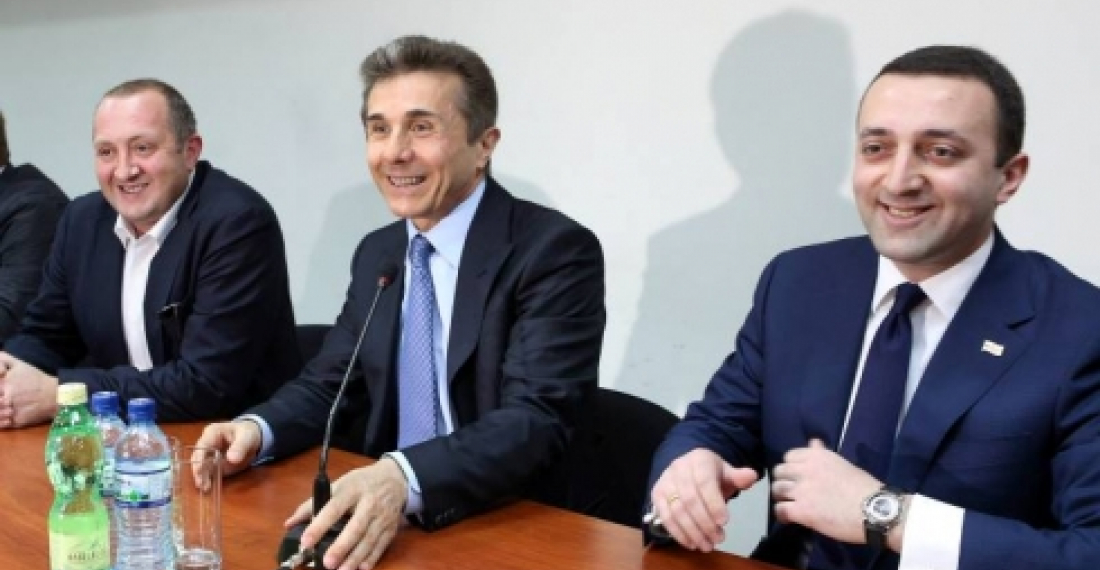
У Грузии новые лидеры, но все еще много старых проблем.

Премьер-министр Грузии Бидзина Иванишвили вчера после встречи с политсоветом правящей коалиции Грузинская мечта в Тбилиси назвал Ираклия Гарибашвили в качестве своего преемника. Выдвижение Гарибашвили на пост премьер-министра, у которого после конституционных поправках, принятых в 2010 году, возросли полномочия, последовало за победой на выборах 27 октября Георгия Маргвелашвили в качестве президента. На этом заканчивается политический процесс, который продолжался с начала кампании к парламентским выборам в мае прошлого года и дает Грузии новое политическое руководство. Нет никаких сомнений, что вдохновителем во всех отношениях переходного процесса является сам Иванишвили, который легко мог остаться на своем посту или быть избранным в качестве президента. Вместо этого Иванишвили через несколько дней попрощается с грузинской политикой. Он обещал не вмешиваться в дела правительства. 

Маргвелашвили-Гарибашвили пока еще неизвестная команда. Их короткое пребывание во власти в рангах министров Иванишвили было адекватным и они не сделали ни одной ошибки. Тем не менее, проблемы, с которыми им придется столкнуться в качестве лидеров Грузии огромные.

Первый набор проблем является политическим. Они должны найти способ работать вместе в новых конституционных рамках. Мы не увидим ни одной из проблем, которые существовали в прошлом году между уходящим президентом Саакашвили и правительством Иванишвили, но возникнут вопросы. Коалиция теперь также должна приспособиться к новой реальности и должна изменить методы своей работы.

Перед Грузией стоят многие проблемы, в том числе в определении собственной государственности. Вопрос о сепаратистских территориях, а также отношения с Россией, которая выступает в качестве их защитника, будут по-прежнему омрачать грузинскую политику. Новые лидеры, вероятно, не будут настаивать на скорейшем разрешении этой проблемы, прекрасно зная, что это невозможно. Однако, они должны управлять их отношениями с Россией очень тщательно, и держать этот вопрос в международной повестке дня. Грузия должна быть оппортунистической по отношению к ее потерянным территориям, возможности могут возникнуть в любой момент. Если они появятся новые лидеры должны действовать мудро и не делать ошибок прошлого.

Однако, самыми большими проблемами для Грузии на ближайшие пять лет будут экономические. Денежная подушка, которая была предоставлена международным сообществом после войны 2008 года с Россией в настоящее время исчерпана. Грузия должна развивать свои собственные ресурсы, и решать социальные вопросы. Правительство Саакашвили ставило некоторый акцент на этом, но слишком много времени было потрачено на грандиозные проекты, которые часто были не продуманы. Гарибашвили придется собрать сильную команду и расставить приоритеты времени и ресурсов в этой работе. Новое поколение Грузии за последние годы показало, что оно не принимает никаких оправданий прошлого и, что гораздо более требовательно к своим лидерам, чем предыдущие поколения. Это совершенно верно, и это возлагает дополнительные обязанности на новое политическое руководство в Тбилиси.

На данный момент новые лидеры купаются в славе своих новых должностей. Очень скоро все успокоится и они вернутся к реальности. У Грузии скоро будет возможность проверить их на прочность, посмотреть из чего они сделаны, и сделать свои выводы.

Источник: commonspace.eu

фото: Бидзина Иванишвили (в центре) в окружении избранного президента Грузии Георгия Маргвелашвили и премьер-министра, Ираклий Гарибашвили, в штаб-квартире Грузинской мечты в Тбилиси 2 ноября 2013 года. (Фото любезно предоставлено офиц. страницей Бидзины Иванишвили в facebook)
Related articles

Editor's choice
News
Germany accuses Russia of cyberattacks and disinformation campaign

Germany accuses Russia of cyberattacks and disinformation campaign

The German government holds Russia responsible for a cyberattack on German air traffic control, and for targeted disinformation campaigns before the last federal election. According to the German Foreign Office in Berlin, the incidents could be clearly attributed to the Russian military intelligence service, the GRU. In response, the Russian ambassador to Berlin was summoned to the Foreign Ministry. "We have been observing a massive increase in threatening hybrid activities by Russia for some time now," a spokesperson for the Foreign Ministry stated. These range from disinformation campaigns and espionage to cyberattacks and sabotage attempts. The aim is to divide society, sow distrust, and undermine confidence in democratic institutions. The spokesperson added that with these actions, Russia is "very concretely threatening our security, not only through its war of aggression against Ukraine, but also here in Germany."  The Foreign Ministry spokesperson explained that the cyberattack on air traffic control in August 2024 was clearly attributed to the hacker collective "APT28," known as "Fancy Bear," and to the responsibility of the Russian military intelligence service, the GRU. Furthermore, it could now be "conclusively stated" that Russia had attempted "to influence and destabilize both the last Federal election and the ongoing internal affairs of the Federal Republic of Germany." There was "absolutely irrefutable evidence" for this". The so-called "Storm 1516" campaign, which has been running since 2024, is allegedly backed by "reliable information" that the Moscow-based think tank "Center for Geopolitical Expertise" is behind it. The Center is also said to be supported by Russian military intelligence. Its primary aim is to influence democratic elections in the West. (Click the image to read more).
Editor's choice
News
NATO Chief says war is on Europe's doorstep, and warns against complacency

NATO Chief says war is on Europe's doorstep, and warns against complacency

Russia could attack a NATO country within the next five years, the Secretary General of NATO, Mark Rutte, said in a stark new warning. "NATO's own defences can hold for now," Rutte warned in Berlin, but conflict was "next door" to Europe, and he feared "too many are quietly complacent, and too many don't feel the urgency, too many believe that time is on our side. "Russia is already escalating its covert campaign against our societies," Rutte said in a speech in Germany. "We must be prepared for the scale of war our grandparents or great-grandparents endured." Earlier this month, Russia's President Vladimir Putin said his country was not planning to go to war with Europe, but it was ready "right now" if Europe wanted to - or started a war. But similar reassurances were given by Moscow in 2022, just before 200,000 Russian troops crossed the border and invaded Ukraine. Putin has accused European countries of hindering US efforts to bring peace in Ukraine - a reference to the role Ukraine's European allies have recently played in trying to change a US peace plan to end the war, whose initial draft was seen as favouring Russia. But Putin was not sincere, Nato's secretary-general said in the German capital, Berlin. Supporting Ukraine, he added, was a guarantee for European security. "Just imagine if Putin got his way; Ukraine under the boot of Russian occupation, his forces pressing against a longer border with Nato, and the significantly increased risk of an armed attack against us." Russia's economy has been on a war footing for more than three years now - its factories churn out ever more supplies of drones, missiles and artillery shells. According to a recent report by the Kiel Institute for the World Economy, Russia has been producing each month around 150 tanks, 550 infantry fighting vehicles, 120 Lancet drones and more than 50 artillery pieces. The UK, and most of its Western allies, are simply not anywhere near this point. Analysts say it would take years for Western Europe's factories to come close to matching Russia's mass-production of weapons. "Allied defence spending and production must rise rapidly, our armed forces must have what they need to keep us safe," the Nato chief said.

Popular

Editor's choice
News
Germany accuses Russia of cyberattacks and disinformation campaign

Germany accuses Russia of cyberattacks and disinformation campaign

The German government holds Russia responsible for a cyberattack on German air traffic control, and for targeted disinformation campaigns before the last federal election. According to the German Foreign Office in Berlin, the incidents could be clearly attributed to the Russian military intelligence service, the GRU. In response, the Russian ambassador to Berlin was summoned to the Foreign Ministry. "We have been observing a massive increase in threatening hybrid activities by Russia for some time now," a spokesperson for the Foreign Ministry stated. These range from disinformation campaigns and espionage to cyberattacks and sabotage attempts. The aim is to divide society, sow distrust, and undermine confidence in democratic institutions. The spokesperson added that with these actions, Russia is "very concretely threatening our security, not only through its war of aggression against Ukraine, but also here in Germany."  The Foreign Ministry spokesperson explained that the cyberattack on air traffic control in August 2024 was clearly attributed to the hacker collective "APT28," known as "Fancy Bear," and to the responsibility of the Russian military intelligence service, the GRU. Furthermore, it could now be "conclusively stated" that Russia had attempted "to influence and destabilize both the last Federal election and the ongoing internal affairs of the Federal Republic of Germany." There was "absolutely irrefutable evidence" for this". The so-called "Storm 1516" campaign, which has been running since 2024, is allegedly backed by "reliable information" that the Moscow-based think tank "Center for Geopolitical Expertise" is behind it. The Center is also said to be supported by Russian military intelligence. Its primary aim is to influence democratic elections in the West. (Click the image to read more).

