ТУРЦИЯ: СИЛА В МНОГООБРАЗИИ

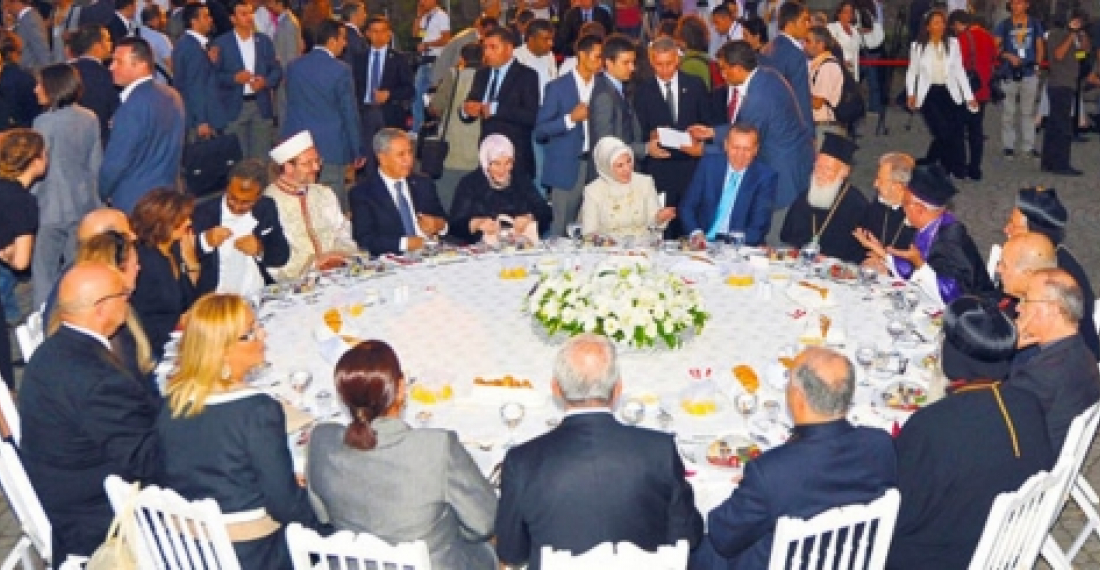
Участие премьер-министра Эрдогана на банкете Ифтар с лидерами религиозных меньшинств Турции несколько дней назад (см. рисунок) был важным, символическим жестом, направленным на исправление представлений о том, что турецкое государство не ладит со своими национальными меньшинствами. Встреча состоялась вскоре после того, как постановлением правительства национальным меньшинствам было возвращено имущество, которое отняли у религиозных групп несколько десятилетий назад. Это самый последний в серии шагов, которые правительство АКР предпринимает в целях продвижения идеи инклюзивной Турции, удобное своим разнообразием. Эти шаги широко приветствуются.

Эти маленькие шаги, однако, не должны ошибочно приниматься за более глубокие изменения, которые все еще должны произойти в Турции по этим вопросам. Крупнейшим меньшинством в Турции являются курды. Они не являются религиозным меньшинством - они, как и турки, являются мусульманами. Но они принадлежат разным этническим и языковым группам, чьи права в значительной степени игнорируются. Некоторые курды прибегают к насильственным действиям, чтобы добиться своих прав. Турецкое правительство должно бороться с этим путём серьезных политических инициатив, которые предложат политический выход из этого.

Турция должна также найти способ примирения в спорных вопросов своей новейшей истории, в таких как судьба армян в период эпохи Османской империи.

Однако, для курдов, как и для армян, ассирийцев и других меньшинств крупнейшей гарантией их будущего в светском турецком государстве должна быть демократия, уважение верховенства закона всеми, и Турцией в том числе, которая находится на переднем крае, в отношении прав человека. За последние пять лет в Турции произошли важные изменения, и большинство из них были к лучшему.

Демократическая и многонациональная Турция в мире с собой не только будет сильнее, чем когда-либо и, но и маяком надежды для своих соседей.

Источник: Комментарий подготовлен политическим редактором commonspace.eu

Фото: Премьер-министр Эрдоган на субботнем банкете в честь Ифтара, в Истамбуле; любезно предоставлено Todays Zaman

Related articles

Editor's choice
News
Indian Foreign Minister meets Aliyev in Baku

Indian Foreign Minister meets Aliyev in Baku

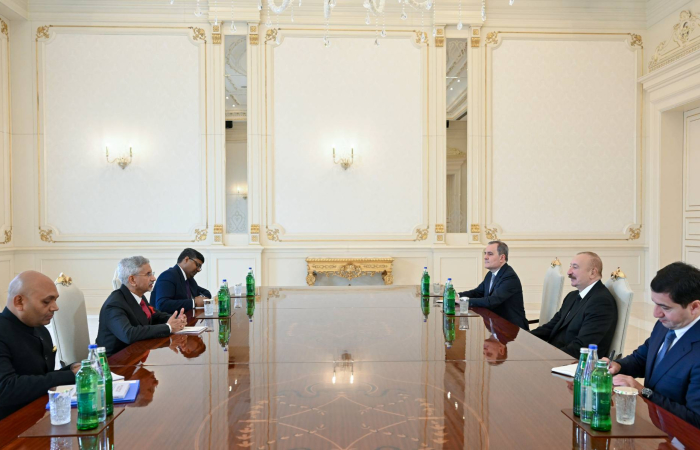
On October 23, the president of Azerbaijan Ilham Aliyev met in Baku with Subrahmanyam Jaishankar, Minister of External Affairs of India. This was the highest level visit by an Indian official to Azerbaijan in a long time. According to the website of the Azerbaijani president, Aliyev fondly recalled his meeting with Indian Prime Minister Narendra Modi in Bishkek and the exchange of views during that meeting. President Ilham Aliyev highly appreciated the visit of India’s Minister of External Affairs to Azerbaijan on the instructions of Prime Minister Narendra Modi, stressing its importance for discussing the current state and prospects of bilateral relations. During the meeting, the sides held an extensive exchange of views on the current state of relations between Azerbaijan and India, highlighting ample opportunities to develop cooperation in areas of mutual interest. The sides noted that Azerbaijan and India, as members of the Global South, share similar positions on a number of issues on the international agenda, including matters of concern to countries of the Global South. In this regard, they discussed prospects for bilateral cooperation in political, trade and economic, high-tech, cultural, humanitarian and other fields. The conversation also touched upon the importance of cooperation within international organizations. The sides emphasized the need to intensify political contacts and organize reciprocal visits at various levels, including exchanges involving economic and business delegations, to further advance bilateral relations.

Popular

Editor's choice
Interview
Thursday Interview: Murad Muradov

Thursday Interview: Murad Muradov

Today, commonspace.eu starts a new regular weekly series. THURSDAY INTERVIEW, conducted by Lauri Nikulainen, will host  persons who are thinkers, opinion shapers, and implementors in their countries and spheres. We start the series with an interview with Murad Muradov, a leading person in Azerbaijan's think tank community. He is also the first co-chair of the Action Committee for a new Armenian-Azerbaijani Dialogue. Last September he made history by being the first Azerbaijani civil society activist to visit Armenia after the 44 day war, and the start of the peace process. Speaking about this visit Murad Muradov said: "My experience was largely positive. My negative expectations luckily didn’t play out. The discussions were respectful, the panel format bringing together experts from Armenia, Azerbaijan, and Turkey was particularly valuable during the NATO Rose-Roth Seminar in Yerevan, and media coverage, while varied in tone, remained largely constructive. Some media outlets though attempted to represent me as more of a government mouthpiece than an independent expert, which was totally misleading.  Overall, I see these initiatives as important steps in rebuilding trust and normalising professional engagement. The fact that soon a larger Azerbaijani civil society visits to Armenia followed, reinforces the sense that this process is moving in the right direction." (click the image to read the interview in full)