


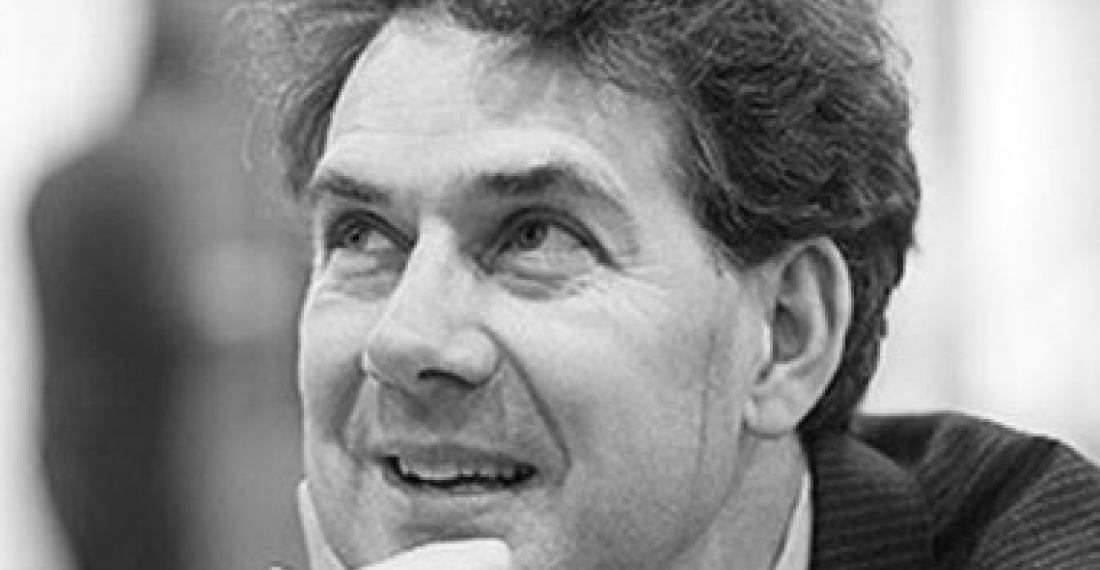
Томас де Ваал:

По мнению политического аналитика, эксперта «Фонда Карнеги» Томаса де Ваала, переговоры по карабахскому урегулированию вошли в довольно сложный этап.

Как передает радио «Свобода”, эксперт отметил, что в ходе последней встречи в Казани Баку выдвинул около десятка предложений по внесению изменений в разработанный Кремлем документ, тем самым, провалив встречу, немалые ожидания от которой имел не только президент России, но и главы остальных государств-посредников.

Анализируя мотивы Азербайджана, который выступил наперекор воле посредников и не пошел на соглашение, известный аналитик делит их на три группы.

Первая, согласно де Ваалу, заключается в том, что официальный Баку недоволен вопросом Лачинского коридора. Дипломатические источники в Азербайджане, в частности, передали эксперту, что в подготовленном Кремлем конечном варианте базовых принципов статус Лачина не был четко определен.

Документ, в частности, предусматривал, что город Лачин должен пока иметь какой-то неопределенный статус, который одновременно впишется в опасения армянской стороны насчет безопасности и не будет нарушать территориальную целостность Азербайджана. Однако Баку возражает, что границы этого коридора четко не указаны. С другой стороны, ничего конкретного не говорится о 39 селах, которые расположены в Лачинском районе и не включены в коридор, а также о том, будет ли азербайджанским беженцам дано право возвратиться в эти места.

«Официальный Баку также не согласен с идеей о том, что Нагорный Карабах после получения промежуточного статуса получит возможность вступать в международные организации, - пишет эксперт, в то же время подчеркивая: - Непонятно, однако, почему руководство Азербайджана подняло эти вопросы не заранее, а прямо на встрече, от которой Запад ждал серьезного прорыва».

Одной из возможных причин Томас де Ваал назвал второй, по его мнению, беспокоящий Азербайджан фактор.

Эксперт убежден, что в Баку считают Россию проармянской. Кроме того, Азербайджан с недоверием относится к министру иностранных дел России Сергею Лаврову, в жилах которого течет армянская кровь.

С другой стороны, в Азербайджане пока не уверены, кто возглавит Россию после президентских выборов 2012 года, и опасаются, что достигнутые сегодня договоренности в случае выдвижения Путина могут быть отменены.

Третья причина, которая заставляет Азербайджан не соглашаться на быстрое решение, согласно эксперту, кроется в мнении о том, что сегодня время работает в пользу Баку.

В Баку уверены, что региональная гонка вооружений, в конце концов, обанкротит Армению и спустя несколько лет армянская сторона будет более слабой и пойдет на уступки в вопросе окончательного статуса Нагорного Карабаха.

«Однако в глазах любого эксперта, следящего за процессом урегулирования конфликта, эти убеждения не выдерживают критики, - пишет аналитик, поясняя: - Армяне, в свою очередь, парируют тем, что Армения сегодня является более сильным государством, чем была 20 лет назад, и может всегда надеяться на серьезную помощь диаспоры. Кроме того, годы укрепляют пока непризнанную государственность самого Нагорного Карабаха, в котором большая часть людей в возрасте до 30 лет в жизни не видела азербайджанца».


 

Related articles

Editor's choice
News
Aden under curfew, as problem in Yemen's south deepens

Aden under curfew, as problem in Yemen's south deepens

The port city of Aden, in Yemen's south, has been put under curfew, as the rift in the country between  the Saudi led coalition which  backs Yemen's presidential governing council, and the southern forces led by the Southern Transitional Council (STC), deepens. Abdul Rahman al-Mahrami, a member of the Yemeni Presidential Governing Council and commander of the al-Amalik brigades, has ordered a curfew in the temporary capital, Aden, "to maintain security". "A curfew has been imposed throughout Aden Governorate from 9:00 p.m. to 6:00 a.m., in accordance with the instructions of Commander Abdul Rahman al-Mahrami, a member of the Presidential Management Council," the statement said. It states that only security and military personnel, as well as medical and technical teams with approved permits, will be allowed to move in the area during these hours. Yemen's presidential council, which is backed by Saudi Arabia and which already is in a struggle with the Houthi Movement in the north of the country who also occupy the capital Sanaa, two days ago issued an order for the arrest of the head of the Southern Transitional Council (STC),, Aidarous al Zubaidi. The STC have wide support among people in the South, and advocate that South Yemen restores its independence. The coalition warned of further escalation in Aden, long regarded as an STC stronghold, as the Presidential Leadership Council (PLC) chief accused STC leader Aidarous Al Zubaidi of “high treason” and announced the revocation of his membership in the governing body. The moves mark a sharp escalation in tensions within the anti-Houthi camp, despite National Shield Forces, rivals of the STC and former allies, having recently retaken control of Hadhramaut and Mahra from southern fighters. The STC’s takeover of the two regions last month angered Saudi Arabia and contributed to igniting the current internal conflict. (click the picture to read more)

Popular

Editor's choice
News
Aden under curfew, as problem in Yemen's south deepens

Aden under curfew, as problem in Yemen's south deepens

The port city of Aden, in Yemen's south, has been put under curfew, as the rift in the country between  the Saudi led coalition which  backs Yemen's presidential governing council, and the southern forces led by the Southern Transitional Council (STC), deepens. Abdul Rahman al-Mahrami, a member of the Yemeni Presidential Governing Council and commander of the al-Amalik brigades, has ordered a curfew in the temporary capital, Aden, "to maintain security". "A curfew has been imposed throughout Aden Governorate from 9:00 p.m. to 6:00 a.m., in accordance with the instructions of Commander Abdul Rahman al-Mahrami, a member of the Presidential Management Council," the statement said. It states that only security and military personnel, as well as medical and technical teams with approved permits, will be allowed to move in the area during these hours. Yemen's presidential council, which is backed by Saudi Arabia and which already is in a struggle with the Houthi Movement in the north of the country who also occupy the capital Sanaa, two days ago issued an order for the arrest of the head of the Southern Transitional Council (STC),, Aidarous al Zubaidi. The STC have wide support among people in the South, and advocate that South Yemen restores its independence. The coalition warned of further escalation in Aden, long regarded as an STC stronghold, as the Presidential Leadership Council (PLC) chief accused STC leader Aidarous Al Zubaidi of “high treason” and announced the revocation of his membership in the governing body. The moves mark a sharp escalation in tensions within the anti-Houthi camp, despite National Shield Forces, rivals of the STC and former allies, having recently retaken control of Hadhramaut and Mahra from southern fighters. The STC’s takeover of the two regions last month angered Saudi Arabia and contributed to igniting the current internal conflict. (click the picture to read more)

