Region

South Caucasus

The South Caucasus – a region encompassing Armenia, Azerbaijan and Georgia - is one of strategic importance, not only for adjacent countries, such as Turkiye, Russia, Iran and the Central Asian states, but also for neighbours such as the European Union and the GCC states, and globally for the United States, India, China, Pakistan and Japan.

commonspace.eu team brings decades of experience of working in the South Caucasus and we are pleased to share our insights with our loyal readers through the website, and the sister newsletter, Caucasus Concise.

Editor's choice
Monday Commentary
Monday Commentary: 2025 was a momentous year for the South Caucasus

Monday Commentary: 2025 was a momentous year for the South Caucasus

The year 2025 has ended up being a momentous year for the South Caucasus, writes Dennis Sammut in his Monday Commentary. Armenia-Azerbaijan relations have been redefined, and that has consequences for the whole region, and beyond. That huge development overshadowed key moments in the domestic trajectory of the two countries, that however have deep consequences for the two countries, and even beyond. It has also been a tumultuous year for Georgia too. The country has been gripped in political crisis throughout 2025, with no obvious end in sight. Whatever the domestic arguments, on the international stage Georgia is today a shadow of what it used to be until recently. It not only has lost the chance of joining the European Union any time soon, it has also lost its position as the leading South Caucasus country. Today, in the new reality of the region, it lags as a tired third. Important as 2025 was, it ends with a lot of unfinished business. So 2026 will also be crucial for the three countries. Since regaining their statehood in 1991 after the dissolution of the Soviet Union, Armenia-Azerbaijan relations were defined by war. The two fought open wars, wars of attrition, and propaganda wars, incessantly. Tens of thousands of people lost their lives, and hundreds of thousands were displaced. Many had lost hope that the two could try the alternative – i.e. peaceful co-existence. Yet in 2025 they were proven wrong.
Editor's choice
Opinion
Opinion: A sustainable peace requires consistent long-term European involvement

Opinion: A sustainable peace requires consistent long-term European involvement

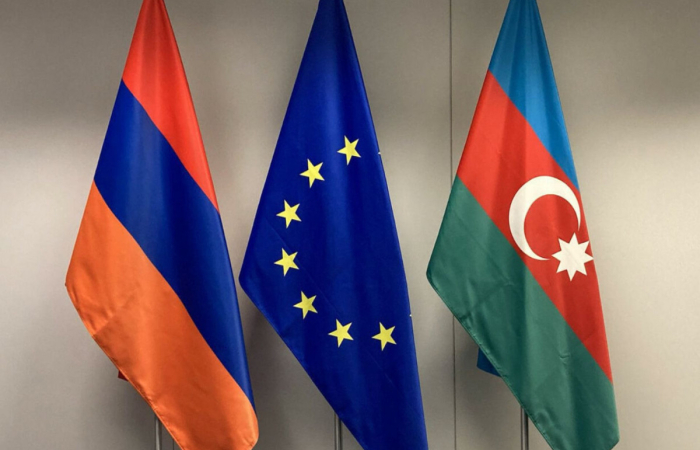
There is no denying that the EU, especially key member states acting in support, helped bring Baku and Yerevan closer to the Washington Declaration of August 8, 2025. But a declaration is not a treaty. Turning principles into a peace deal and eventually to a sustainable peace requires consistent long-term European involvement, writes Yalchin Mammadov in this-op-ed for commonspace.eu Before facilitating trust between Armenia and Azerbaijan, the EU is first expected to address its own credibility gap with Baku. A more balanced approach—such as including Azerbaijan, alongside Armenia, in the European Peace Facility—could be a useful first step. Diplomats can negotiate peace; societies must build peace. In this context, the EU can do what it does the best: long-term societal engagement. By expanding youth and academic exchange programmes, investing in cross-border civil society initiatives, and fostering people-to-people cooperation, Brussels can help shape a new generation equipped to sustain peace beyond political cycles. Such tools are slow and unglamorous, but if ignored, even the strongest treaty risks collapse. And obviously, these aspects require two-way engagement and genuine willingness by both governments to facilitate contact. If Brussels wants to remain influential, it needs to replace outdated one-size-fits-all policies with ambitious, interest-driven and differentiated approaches. Without a clear regional strategy, which appears to be the current situation, the South Caucasus will continue to sit at the margins of Europe’s security architecture—leaving space for other powers to take the lead. (You can read the op-ed in full by clicking the image.)

Filter archive

Publication date
Editor's choice
News
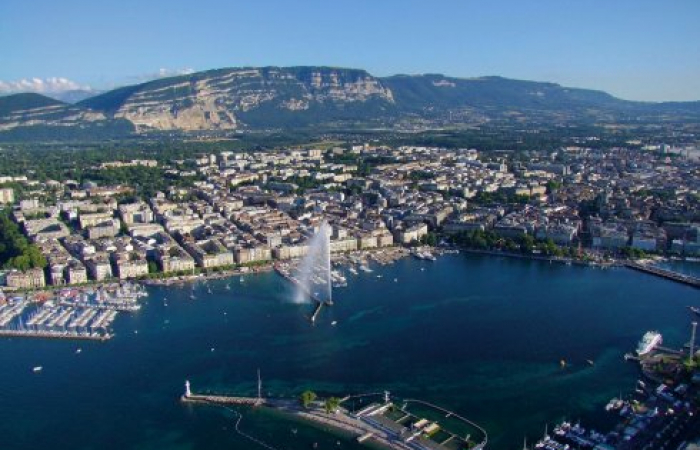
Женевские международные дискуссии: сопредседатели требуют подхода, основанного на результатах

Женевские международные дискуссии: сопредседатели требуют подхода, основанного на результатах

"Обсуждения проходили в деловой атмосфере на фоне недавних событий на местах", - говорится в заявлении ЕС, ОБСЕ и ООН, которые являются сопредседателями процесса.
Editor's choice
News
Действующий председатель ОБСЕ приветствует обмен пленными между Арменией и Азербайджаном

Действующий председатель ОБСЕ приветствует обмен пленными между Арменией и Азербайджаном

Обмен азербайджанскими и армянскими заключенными считается положительным шагом после нескольких недель усилившейся напряженности.
Editor's choice
News
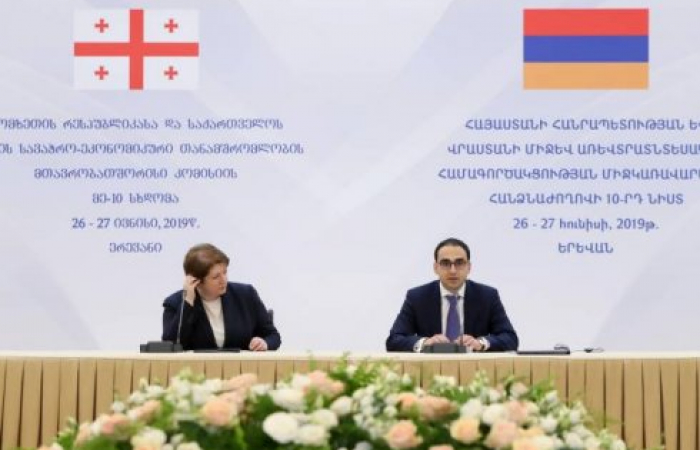
Армения и Грузия провели переговоры на высшем уровне по экономическим вопросам

Армения и Грузия провели переговоры на высшем уровне по экономическим вопросам

Заместитель премьер-министра Армении Тигран Авинян и вице-премьер-министр Грузии и министр регионального развития и инфраструктуры Майя Цкитишвили возглавили делегации своих стран на встрече.
Editor's choice
News
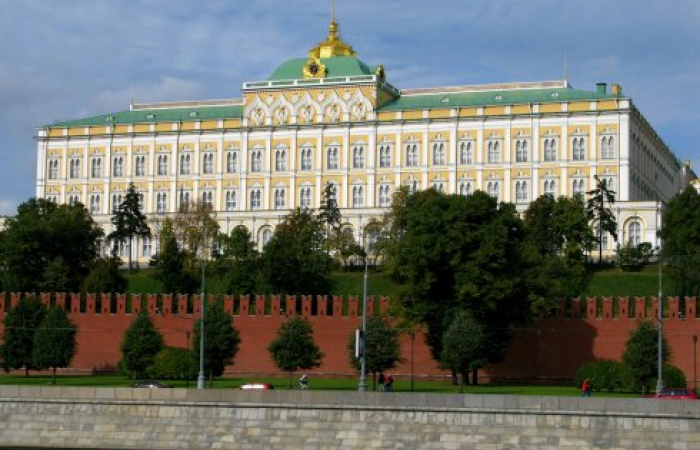
Кремль в восторге от возвращения России в Совет Европы

Кремль в восторге от возвращения России в Совет Европы

Во вторник ПАСЕ утвердила резолюцию, которая позволит российской делегации принять участие в июньской сессии Ассамблеи. Резолюция была поддержана 118 членами, 62 парламентария проголосовали против, а 10 воздержались.
Editor's choice
Редакция: В Карабахе нетрадиционная дипломатия сейчас нужна как никогда

Редакция: В Карабахе нетрадиционная дипломатия сейчас нужна как никогда

В процессе мирного урегулирования в Карабахе участники дипломатии "первого трека" неохотно вовлекаются в инициативы "второго трека". Процесс EPNK, поддерживаемый ЕС, показал, что нетрадиционная дипломатия может внести большой вклад, и ее энергия должна теперь найти хорошее применение.
Editor's choice
News
Россия продолжает оказывать давление на Грузию

Россия продолжает оказывать давление на Грузию

Давид Бакрадзе, оппозиционная партия "Европейская Грузия", тем временем поднял вопрос о возвращении России к полноправному участию в Парламентской ассамблее Совета Европы (ПАСЕ), который будет обсуждаться на встрече в Страсбурге на этой неделе. Бакрадзе заявил, что недопустимо, чтобы России разрешили вернуться в ПАСЕ, учитывая ее недавние действия.
Editor's choice
News
Акция ЛГБТ активистов отложена из-за напряженной политической ситуации

Акция ЛГБТ активистов отложена из-за напряженной политической ситуации

Дипломатические последствия инцидента, произошедшего в грузинском парламенте в четверг, из-за чего российское правительство объявило Грузию небезопасной для российских граждан, продолжаются. Российским авиакомпаниям было приказано отменить рейсы в эту страну.
Editor's choice
Комментарий: Печальный день для грузинской политики

Комментарий: Печальный день для грузинской политики

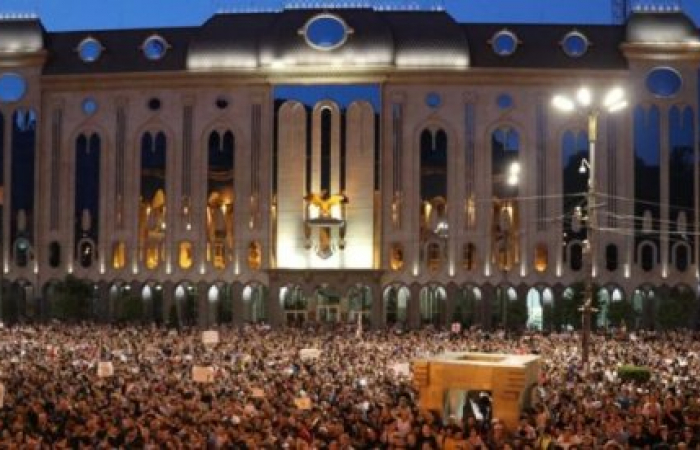
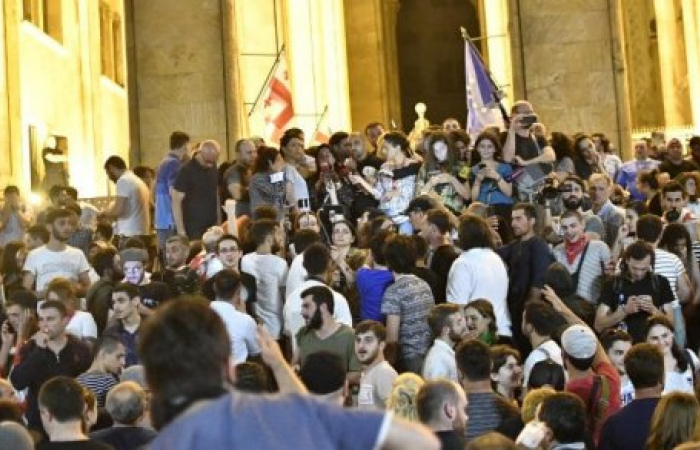
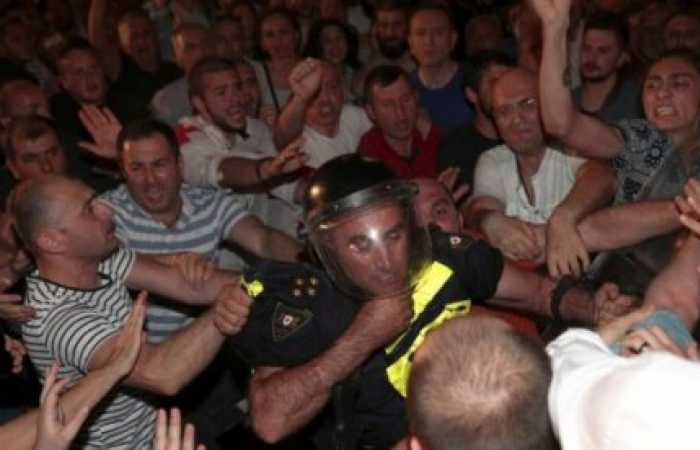
20 июня стало печальным днем для грузинской политики. Все началось с политической ошибки и закончилось массовыми беспорядками, в результате которой десятки людей получили ранения.
Editor's choice
News
Министры иностранных дел Армении и Азербайджана провели встречу и договорились встретиться снова

Министры иностранных дел Армении и Азербайджана провели встречу и договорились встретиться снова

На встрече в Вашингтоне международные посредники призвали стороны подтвердить свое обязательство строго соблюдать прекращение огня и воздерживаться от любых провокационных действий, включая использование снайперов и инженерных работ вдоль линии соприкосновения и международной границы.