Комментарий: Печальный день для грузинской политики

Этот комментарий был подготовлен политическим редактором commonspace.eu

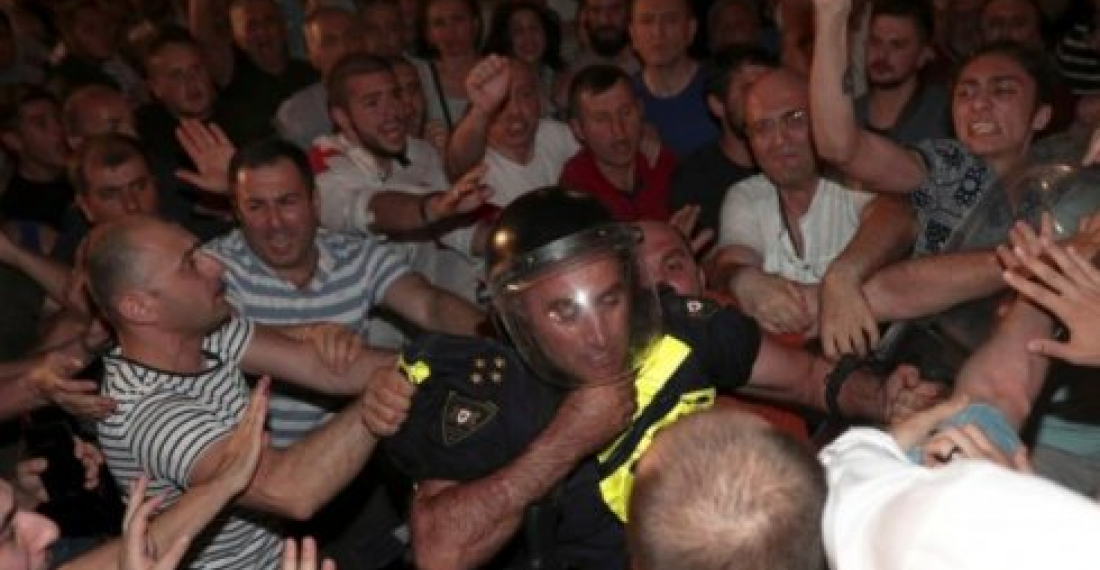
20 июня стало печальным днем для грузинской политики. Все началось с политической ошибки и закончилось массовыми беспорядками, в результате которой десятки людей получили ранения.

Парламентская дипломатия является важным инструментом внешней политики. При правильном использовании она может способствовать взаимопониманию между народами и помочь решить многие проблемы. Таким образом, решение грузинского парламента провести у себя заседание Межпарламентской ассамблеи по православию, включая российскую делегацию, само по себе не было ошибочным, во многих отношениях оно было похвальным.

Однако чувствительность присутствия российской парламентской делегации в грузинском парламенте - даже если две страны не имеют дипломатических отношений и Грузия по-прежнему считает Россию страной оккупантом в отношении своей политики и из-за присутствия России в Абхазии и Южной Осетии - должна была быть очевидной для каждого. Этого не обязательно следует избегать, но, безусловно, этим необходимо управлять. Вместо этого члена Государственной Думы России случайно привели к месту, обычно отводимому председателю парламента, чтобы тот смог председательствовать на сессии православных парламентариев. Это стало слишком недопустимым для некоторых, и они стали протестовать, и в итоге встреча была сорвана.

Все должно было закончиться там же. Вместо этого оппозиция решила, что это тот момент, чтобы вывести людей на улицы за то, что они считают оскорблением грузинской государственности. Мирные протесты вскоре превратились в беспорядки, которые продолжались всю ночь. Десятки получили ранения, в том числе протестующие и полицейские.

Этот эпизод плохо отражается на обеих сторонах. Грузинское правительство, и особенно руководство парламента, были небрежны в управлении всем этим делом. У них должны были быть красные лица, но это не оправдывало кровь на улицах. Те, кто выводил людей на улицы, также должны оценить их мудрость. Поведение сотрудников правоохранительных органов также необходимо оценить. Было ли чрезмерное применение силы, или полиция реагировала на опасный разрыв общественного порядка, во главе с некоторыми, кто довольно открыто выступал за публичные беспорядки, чтобы свергнуть правительство? Независимое расследование должно установить факты.

А пока все должны успокоиться и сделать шаг назад. Грузия в 2019 году не является Грузией в 1989 году или даже в 1999 году. Страна создала для себя хороший послужной список реформ, проводимых правительствами различных убеждений, и демократический процесс, хотя и далеко не идеальный, развивается всерьез. Ночью делегация ЕС в Грузии и посольство США выступили с совместным заявлением, в котором они признали боль, которую многие люди испытали вчера в Тбилиси. "Мы призываем все стороны сохранять спокойствие, проявлять сдержанность и всегда действовать в рамках Конституции", - говорится в заявлении.

Следует помнить три вещи:

Грузия вполне может быть готова к очередной смене правительства, но это нужно сделать с помощью избирательной урны, а не беспорядков. Международные друзья и партнеры Грузии ожидают не меньшего.

Правоприменение в любой демократической стране не так просто. Оно должно быть надежным. Но оно никогда не должно быть чрезмерным. Инциденты 20/21 июня должны быть предметом надлежащего расследования.

Некоторое время было заметно, что грузинский народ все больше раздражается своими политиками - и правительством, и оппозицией. Это не хорошо для демократии и страны. Как отмечают международные наблюдатели на недавних выборах, усиление политизации и использование языка с выражением язвы наносит большой ущерб политической системе. Нужно услышать более разумные голоса и дать им больше места. Международные партнеры Грузии не должны стесняться говорить это более открыто. Стоимость этого не слишком высока.

Наконец, заявления, поступившие из российских политических и правительственных источников за последние 24 часа, еще больше усугубили ситуацию. России есть за что ответить перед Грузией. Ее политики смогут преуспеть, если изучат, почему антироссийские настроения в Грузии так высоки, и начнут предпринимать шаги для исправления тех больших ошибок, которые они допустили за последние три десятилетия. Политика России сделала Грузию травмированной страной - травма, которая иногда вырывается в эпизодах, как мы видели вчера.

Этот комментарий был подготовлен политическим редактором commonspace.eu

На фотографии: Протестующие у здания грузинского парламента 20 июня 2019 года (фото любезно предоставлено BBC, Лондон).
 

Related articles

Editor's choice
News
Germany accuses Russia of cyberattacks and disinformation campaign

Germany accuses Russia of cyberattacks and disinformation campaign

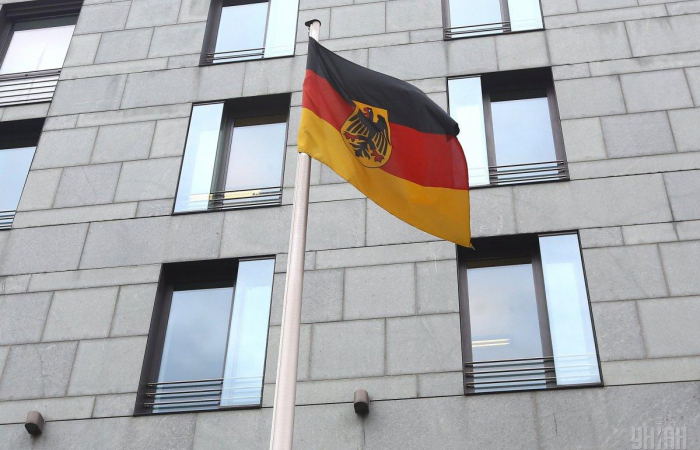
The German government holds Russia responsible for a cyberattack on German air traffic control, and for targeted disinformation campaigns before the last federal election. According to the German Foreign Office in Berlin, the incidents could be clearly attributed to the Russian military intelligence service, the GRU. In response, the Russian ambassador to Berlin was summoned to the Foreign Ministry. "We have been observing a massive increase in threatening hybrid activities by Russia for some time now," a spokesperson for the Foreign Ministry stated. These range from disinformation campaigns and espionage to cyberattacks and sabotage attempts. The aim is to divide society, sow distrust, and undermine confidence in democratic institutions. The spokesperson added that with these actions, Russia is "very concretely threatening our security, not only through its war of aggression against Ukraine, but also here in Germany."  The Foreign Ministry spokesperson explained that the cyberattack on air traffic control in August 2024 was clearly attributed to the hacker collective "APT28," known as "Fancy Bear," and to the responsibility of the Russian military intelligence service, the GRU. Furthermore, it could now be "conclusively stated" that Russia had attempted "to influence and destabilize both the last Federal election and the ongoing internal affairs of the Federal Republic of Germany." There was "absolutely irrefutable evidence" for this". The so-called "Storm 1516" campaign, which has been running since 2024, is allegedly backed by "reliable information" that the Moscow-based think tank "Center for Geopolitical Expertise" is behind it. The Center is also said to be supported by Russian military intelligence. Its primary aim is to influence democratic elections in the West. (Click the image to read more).
Editor's choice
News
NATO Chief says war is on Europe's doorstep, and warns against complacency

NATO Chief says war is on Europe's doorstep, and warns against complacency

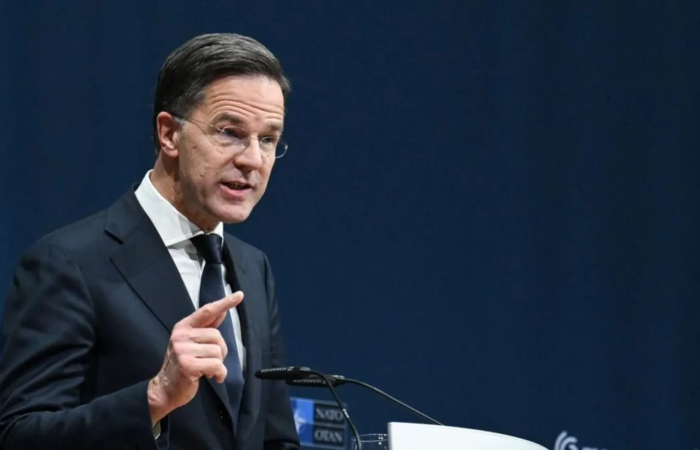
Russia could attack a NATO country within the next five years, the Secretary General of NATO, Mark Rutte, said in a stark new warning. "NATO's own defences can hold for now," Rutte warned in Berlin, but conflict was "next door" to Europe, and he feared "too many are quietly complacent, and too many don't feel the urgency, too many believe that time is on our side. "Russia is already escalating its covert campaign against our societies," Rutte said in a speech in Germany. "We must be prepared for the scale of war our grandparents or great-grandparents endured." Earlier this month, Russia's President Vladimir Putin said his country was not planning to go to war with Europe, but it was ready "right now" if Europe wanted to - or started a war. But similar reassurances were given by Moscow in 2022, just before 200,000 Russian troops crossed the border and invaded Ukraine. Putin has accused European countries of hindering US efforts to bring peace in Ukraine - a reference to the role Ukraine's European allies have recently played in trying to change a US peace plan to end the war, whose initial draft was seen as favouring Russia. But Putin was not sincere, Nato's secretary-general said in the German capital, Berlin. Supporting Ukraine, he added, was a guarantee for European security. "Just imagine if Putin got his way; Ukraine under the boot of Russian occupation, his forces pressing against a longer border with Nato, and the significantly increased risk of an armed attack against us." Russia's economy has been on a war footing for more than three years now - its factories churn out ever more supplies of drones, missiles and artillery shells. According to a recent report by the Kiel Institute for the World Economy, Russia has been producing each month around 150 tanks, 550 infantry fighting vehicles, 120 Lancet drones and more than 50 artillery pieces. The UK, and most of its Western allies, are simply not anywhere near this point. Analysts say it would take years for Western Europe's factories to come close to matching Russia's mass-production of weapons. "Allied defence spending and production must rise rapidly, our armed forces must have what they need to keep us safe," the Nato chief said.

Popular

Editor's choice
News
Germany accuses Russia of cyberattacks and disinformation campaign

Germany accuses Russia of cyberattacks and disinformation campaign

The German government holds Russia responsible for a cyberattack on German air traffic control, and for targeted disinformation campaigns before the last federal election. According to the German Foreign Office in Berlin, the incidents could be clearly attributed to the Russian military intelligence service, the GRU. In response, the Russian ambassador to Berlin was summoned to the Foreign Ministry. "We have been observing a massive increase in threatening hybrid activities by Russia for some time now," a spokesperson for the Foreign Ministry stated. These range from disinformation campaigns and espionage to cyberattacks and sabotage attempts. The aim is to divide society, sow distrust, and undermine confidence in democratic institutions. The spokesperson added that with these actions, Russia is "very concretely threatening our security, not only through its war of aggression against Ukraine, but also here in Germany."  The Foreign Ministry spokesperson explained that the cyberattack on air traffic control in August 2024 was clearly attributed to the hacker collective "APT28," known as "Fancy Bear," and to the responsibility of the Russian military intelligence service, the GRU. Furthermore, it could now be "conclusively stated" that Russia had attempted "to influence and destabilize both the last Federal election and the ongoing internal affairs of the Federal Republic of Germany." There was "absolutely irrefutable evidence" for this". The so-called "Storm 1516" campaign, which has been running since 2024, is allegedly backed by "reliable information" that the Moscow-based think tank "Center for Geopolitical Expertise" is behind it. The Center is also said to be supported by Russian military intelligence. Its primary aim is to influence democratic elections in the West. (Click the image to read more).