Region

South Caucasus

The South Caucasus – a region encompassing Armenia, Azerbaijan and Georgia - is one of strategic importance, not only for adjacent countries, such as Turkiye, Russia, Iran and the Central Asian states, but also for neighbours such as the European Union and the GCC states, and globally for the United States, India, China, Pakistan and Japan.

commonspace.eu team brings decades of experience of working in the South Caucasus and we are pleased to share our insights with our loyal readers through the website, and the sister newsletter, Caucasus Concise.

Editor's choice
Opinion
Opinion: A sustainable peace requires consistent long-term European involvement

Opinion: A sustainable peace requires consistent long-term European involvement

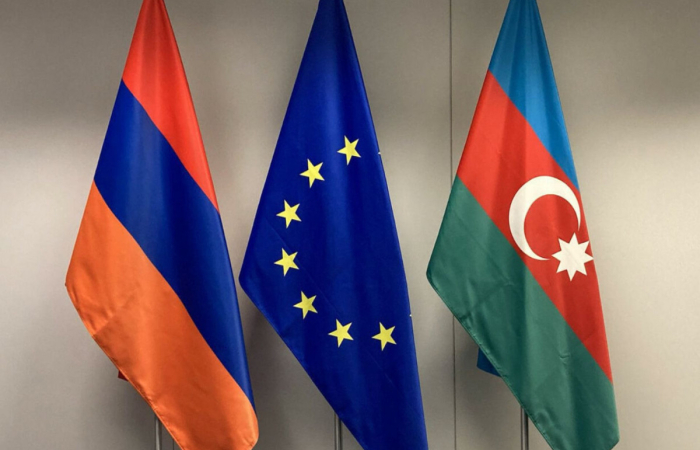
There is no denying that the EU, especially key member states acting in support, helped bring Baku and Yerevan closer to the Washington Declaration of August 8, 2025. But a declaration is not a treaty. Turning principles into a peace deal and eventually to a sustainable peace requires consistent long-term European involvement, writes Yalchin Mammadov in this-op-ed for commonspace.eu Before facilitating trust between Armenia and Azerbaijan, the EU is first expected to address its own credibility gap with Baku. A more balanced approach—such as including Azerbaijan, alongside Armenia, in the European Peace Facility—could be a useful first step. Diplomats can negotiate peace; societies must build peace. In this context, the EU can do what it does the best: long-term societal engagement. By expanding youth and academic exchange programmes, investing in cross-border civil society initiatives, and fostering people-to-people cooperation, Brussels can help shape a new generation equipped to sustain peace beyond political cycles. Such tools are slow and unglamorous, but if ignored, even the strongest treaty risks collapse. And obviously, these aspects require two-way engagement and genuine willingness by both governments to facilitate contact. If Brussels wants to remain influential, it needs to replace outdated one-size-fits-all policies with ambitious, interest-driven and differentiated approaches. Without a clear regional strategy, which appears to be the current situation, the South Caucasus will continue to sit at the margins of Europe’s security architecture—leaving space for other powers to take the lead. (You can read the op-ed in full by clicking the image.)
Editor's choice
Event
LFSC25: Yerevan meeting focuses on issues of landmines and remnants of war in Armenia and the South Caucasus

LFSC25: Yerevan meeting focuses on issues of landmines and remnants of war in Armenia and the South Caucasus

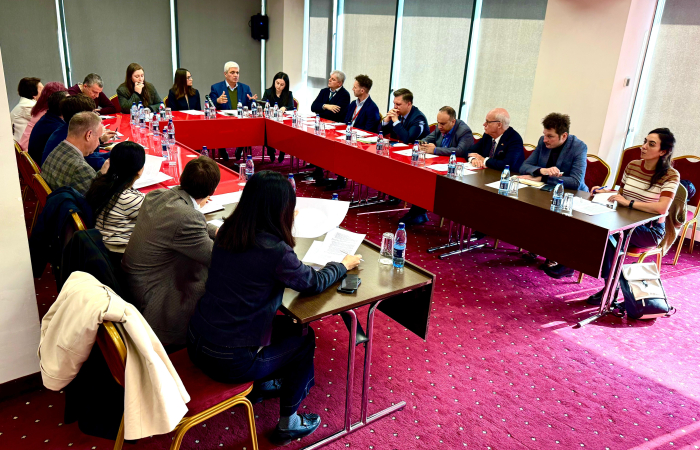
The meeting titled “The residue of conflict: Landmines and other remnants of war in the South Caucasus, and its victims” was held in Yerevan, Armenia, on Monday, 24 November 2025, in the framework of the 2025 regional campaign "Landmine Free South Caucasus" (LFSC25). Addressing the meeting, Mr Stepan Grigoryan, Chairman of the Armenian Analytical Center on Globalisation and Regional Cooperation, emphasized that the problem of landmines is mutual, and it exists in both Armenia and Azerbaijan. He argued that it is important in the peace process to address the humanitarian issues caused by landmines. In addition, he also stressed that it is important for experts to have conversations on the topic of demining, as often it is experts who begin the process that can then be taken further by governments. Stepan Grigoryan said he was happy to be collaborating with LINKS Europe on this important issue, and was glad to associate himself with the LFSC 25 appeal. Anahit Poghosyan, Adviser to the Secretary of the RA Security Council also spoke at the event. Ms Anahit Poghosyan said that the problem of landmines exists in Armenia, and that already around 800 people have been injured or killed due to landmine contamination. The border regions are highly affected, and around 200000 people live in proximity of contaminated areas. She stressed that landmine contamination is an important issue to solve. In addition, she added that Armenia remains committed to humanitarian principles and that experts have been involved in checking the contamination maps to ensure reliability. She ended on an important note that landmines undermine peace and development and pose a grave humanitarian situation in the region. (read more by clicking the image)

Filter archive

Publication date
Editor's choice
News
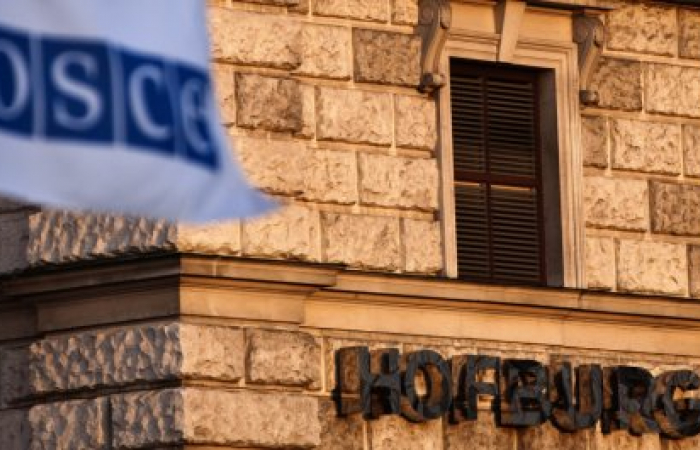
Сопредседатели Минской Группы прокомментировали инцидент на армяно-азербайджанской границе

Сопредседатели Минской Группы прокомментировали инцидент на армяно-азербайджанской границе

"Баку и Ереван продолжают обвинять друг друга в попытке вторжения 29 декабря 2016 года на армяно-азербайджанской границе, что привело к жертвам. Вооруженные силы Армении все еще удерживают тело погибшего в бою азербайджанского военнослужащего."
Editor's choice
News
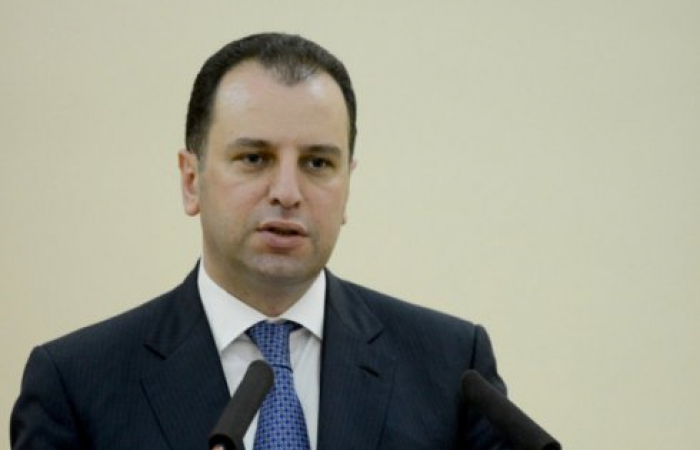
По данным армянской стороны, ситуация на границе и линии соприкосновения во время праздников была спокойной

По данным армянской стороны, ситуация на границе и линии соприкосновения во время праздников была спокойной

По словам министра обороны Армении, Вигена Саркисяна, несмотря на ряд нарушений прекращения огня, ситуация на границе и линии соприкосновения с Азербайджаном была сравнительно гораздо спокойнее.
Editor's choice
Analysis
Анализ: Станет ли 2017 годом возможностей для Армении, Азербайджана и Грузии?

Анализ: Станет ли 2017 годом возможностей для Армении, Азербайджана и Грузии?

Правительства всех трех стран Южного Кавказа поставили перед собой амбициозные повестки на 2017. Однако, эти повестки могут быть достигнуты только, если они уделять больше внимания внутренней сплоченности, построенной на основе широкого консенсуса в рамках их обществ.
Editor's choice
News
Армения и армянские общины по всему миру празднуют Рождество

Армения и армянские общины по всему миру празднуют Рождество

Армянская апостольская церковь 6 января празднует Рождество. Католикос Всех Армян Гарегин II, провел службу в Эчмиадзине в присутствии премьер-министра Карена Карапетяна и других государственных чиновников.
Editor's choice
News
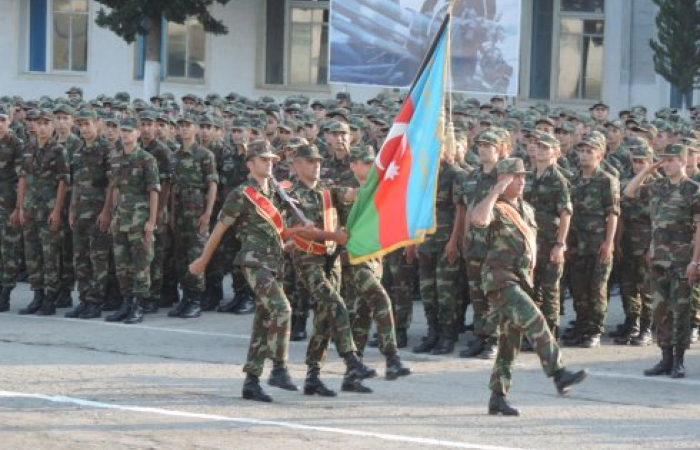
CDSI: Азербайджан с 1994 года потерял 4000 военнослужащих

CDSI: Азербайджан с 1994 года потерял 4000 военнослужащих

Неправительственная организация, Прикаспийский институт оборонных исследований, сообщает, что в 2016 году Азербайджан потерял 147 военнослужащих, в то время как Армения - 165. Большинство из них погибли во время тяжелых боев между армянскими и азербайджанскими силами в зоне карабахского конфликта в апреле 2016 года.
Editor's choice
News
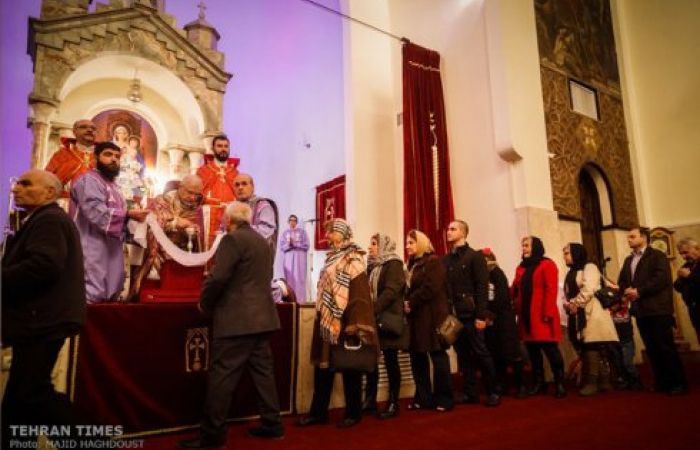
Армянская община в Иране готовится праздновать Рождество

Армянская община в Иране готовится праздновать Рождество

В субботу, в Тегеране, представители большой армянской общины Ирана собрались в кафедральном соборе Святого Саркиса для празднования начало нового года.
Editor's choice
News
Региональные лидеры в своих новогодних поздравлениях особенно отметили экономические вопросы

Региональные лидеры в своих новогодних поздравлениях особенно отметили экономические вопросы

Лидеры Азербайджана, Армении и Грузии в ходе телевизионного обращения в последние минуты старого года поздравили своих граждан с праздником, и особо отметили в них экономические вопросы, что отражает сохраняющуюся озабоченность среди их граждан по этим вопросам.
Editor's choice
Analysis
Для стран Южного Кавказа риски внешних факторов в 2017 году будут выше

Для стран Южного Кавказа риски внешних факторов в 2017 году будут выше

В 2017 году Армении, Азербайджану и Грузии предстоит навигация в еще более сложных водах региональных и международных отношений в условиях повышенных рисков.