


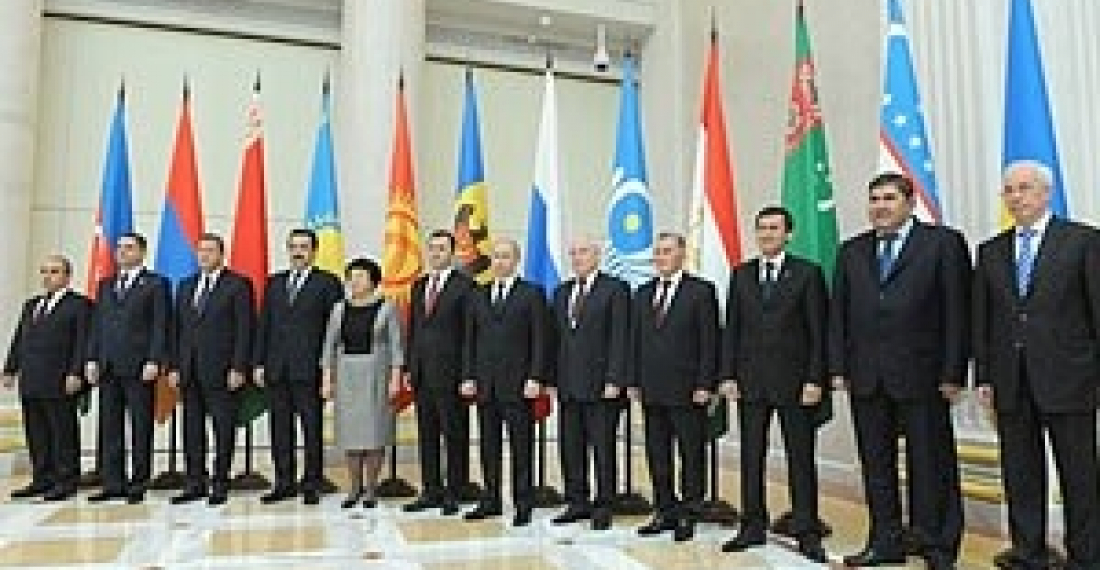
Страны СНГ договорились о зоне свободной торговли

Как сообщает  пресс-служба правительства России, премьер-министр России Владимир Путин пояснил, что в результате реализации Договора будут снижены цены на товары.

Подписи под документом поставили главы правительств 8 стран СНГ - Россия, Украина, Беларусь, Казахстан, Армения, Кыргызстан, Молдова, Таджикистан. Азербайджан, Туркмения и Узбекистан должны определиться со степенью участия в проекте до конца года.

По словам главы российского правительства Владимира Путина, страны-члены СНГ в 1994 году подписали первый договор о свободной торговле. ««Принятие Договора о зоне свободной торговли позволит, безусловно, убрать многие барьеры и сделать новый качественный шаг в развитии торгово-экономических связей между нашими государствами, в целом заложит прочную базу, прочный фундамент для дальнейшего совершенствования Содружества», - заявил российский премьер.

Премьер-министры стран СНГ продолжат работу в Петербурге. В центре внимания окажутся вопросы создания на пост-советском пространстве Евразийского экономического союза.


Related articles

Popular

Editor's choice
Interview
Thursday Interview: Murad Muradov

Thursday Interview: Murad Muradov

Today, commonspace.eu starts a new regular weekly series. THURSDAY INTERVIEW, conducted by Lauri Nikulainen, will host  persons who are thinkers, opinion shapers, and implementors in their countries and spheres. We start the series with an interview with Murad Muradov, a leading person in Azerbaijan's think tank community. He is also the first co-chair of the Action Committee for a new Armenian-Azerbaijani Dialogue. Last September he made history by being the first Azerbaijani civil society activist to visit Armenia after the 44 day war, and the start of the peace process. Speaking about this visit Murad Muradov said: "My experience was largely positive. My negative expectations luckily didn’t play out. The discussions were respectful, the panel format bringing together experts from Armenia, Azerbaijan, and Turkey was particularly valuable during the NATO Rose-Roth Seminar in Yerevan, and media coverage, while varied in tone, remained largely constructive. Some media outlets though attempted to represent me as more of a government mouthpiece than an independent expert, which was totally misleading.  Overall, I see these initiatives as important steps in rebuilding trust and normalising professional engagement. The fact that soon a larger Azerbaijani civil society visits to Armenia followed, reinforces the sense that this process is moving in the right direction." (click the image to read the interview in full)

