Рогозин назначен ответственным за российско-азербайджанские отношения.

Премьер-министр России Дмитрий Медведев на прошлой неделе подписал указ о назначении вице-премьера Дмитрия Рогозина в качестве председателя российско-азербайджанской межправительственной комиссии, которая курирует отношения между двумя странами. Назначение произошло спустя несколько дней после того, как Рогозин был включен в число семи человек санкционного списка США за его роль в российской аннексии Крыма.

Рогозин, один из приверженцев жесткой кремлевсой линии, бывший посол России в НАТО, с 2011 года заместитель премьер-министра, ответственного за оборонно-космическую отрасль. Ранее Рогозин принимал активное участие в российской политике, как лидер ныне несуществующей партии "Родина". В качества лидера партии он сделал множество скандальных заявлений относительно этнических меньшинств. В 2005 году он был отстранен от участия в выборах в Московскую городскую Думу из-за шовинистических лозунгов в ходе избирательной компании: "Очистим Москву от мусора!"

Рогозин заменил Александра Хлопонина на посту председателя российско-азербайджанской межправительственной комиссии.

Политический редактор Commonspace.eu сообщает, что назначение Рогозина имеет важное значение с какой бы стороны на это не посмотреть. Назначая ярого приверженца жесткой линии, который разделяет видения президента Путина в отношении российского Евразийского политического и экономического союза в противовес западу Кремль, возможно, посылает сигнал азербайджанскому руководству, что настало время определиться, если он не хочет разделить участь Украины. Конечно же назначение спустя несколько дней после того, как  Рогозин был включен в список санкций США не могло быть случайным. Оно также последовало за голосованием в ООН, где Азербайджан поддержал территориальную целостность Украины несмотря на российское давление.

Назначение может быть также связано с тем, что Рогозин возглавляет мощную российскую оружейную промышленность в то время, когда Азербайджан стал важным клиентом, закупая на миллиарды долларов оружия у России, несмотря на то, что та является военным союзником Армении в ОДКБ. 

Бывший председатель российско-азербайджанской межправительственной комиссии Александр Хлопонин возглавляет российскую СКФО, где последние пять лет пытается реализовать экономическое развитие в южных регионах в качестве альтернативы военной силе в борьбе против исламских повстанцев.

Для многих Хлопонин представляет собой мягкую силу, в то время как Рогозин представляет традиционную российскую жесткую линию. Поэтому нет ничего удивительного в том, что многие в Азербайджане интерпретируют это назначение, как знак того, что Россия возможно меняет свой ​​подход к Азербайджану с мягкого давления на жесткое.

источник: commonspace.eu

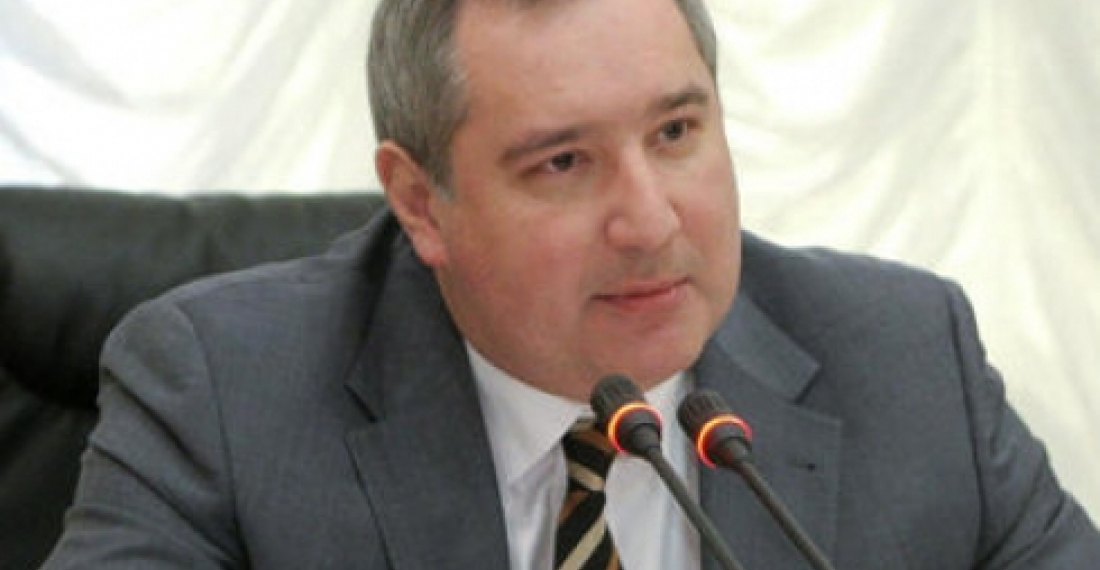
фото: Дмитрий Рогозин (фото из архива)
Related articles

Editor's choice
News
Indian Foreign Minister meets Aliyev in Baku

Indian Foreign Minister meets Aliyev in Baku

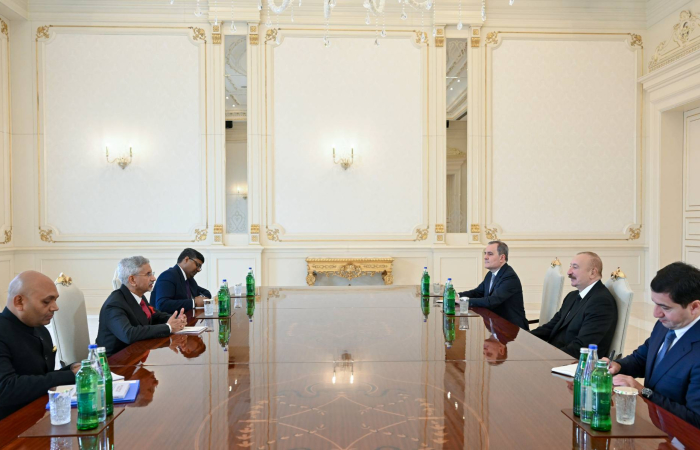
On October 23, the president of Azerbaijan Ilham Aliyev met in Baku with Subrahmanyam Jaishankar, Minister of External Affairs of India. This was the highest level visit by an Indian official to Azerbaijan in a long time. According to the website of the Azerbaijani president, Aliyev fondly recalled his meeting with Indian Prime Minister Narendra Modi in Bishkek and the exchange of views during that meeting. President Ilham Aliyev highly appreciated the visit of India’s Minister of External Affairs to Azerbaijan on the instructions of Prime Minister Narendra Modi, stressing its importance for discussing the current state and prospects of bilateral relations. During the meeting, the sides held an extensive exchange of views on the current state of relations between Azerbaijan and India, highlighting ample opportunities to develop cooperation in areas of mutual interest. The sides noted that Azerbaijan and India, as members of the Global South, share similar positions on a number of issues on the international agenda, including matters of concern to countries of the Global South. In this regard, they discussed prospects for bilateral cooperation in political, trade and economic, high-tech, cultural, humanitarian and other fields. The conversation also touched upon the importance of cooperation within international organizations. The sides emphasized the need to intensify political contacts and organize reciprocal visits at various levels, including exchanges involving economic and business delegations, to further advance bilateral relations.

Popular

Editor's choice
Interview
Thursday Interview: Murad Muradov

Thursday Interview: Murad Muradov

Today, commonspace.eu starts a new regular weekly series. THURSDAY INTERVIEW, conducted by Lauri Nikulainen, will host  persons who are thinkers, opinion shapers, and implementors in their countries and spheres. We start the series with an interview with Murad Muradov, a leading person in Azerbaijan's think tank community. He is also the first co-chair of the Action Committee for a new Armenian-Azerbaijani Dialogue. Last September he made history by being the first Azerbaijani civil society activist to visit Armenia after the 44 day war, and the start of the peace process. Speaking about this visit Murad Muradov said: "My experience was largely positive. My negative expectations luckily didn’t play out. The discussions were respectful, the panel format bringing together experts from Armenia, Azerbaijan, and Turkey was particularly valuable during the NATO Rose-Roth Seminar in Yerevan, and media coverage, while varied in tone, remained largely constructive. Some media outlets though attempted to represent me as more of a government mouthpiece than an independent expert, which was totally misleading.  Overall, I see these initiatives as important steps in rebuilding trust and normalising professional engagement. The fact that soon a larger Azerbaijani civil society visits to Armenia followed, reinforces the sense that this process is moving in the right direction." (click the image to read the interview in full)