


Политолог: Венгрия должна потребовать назад убийцу армянского офицера

Венгрия должна потребовать назад экстрадированного в Азербайджан убийцу Рамиля Сафарова, заявил 5 сентября на пресс-конференции в Ереване политолог Степан Григорян.

По его словам, с формальной стороны правительство Венгрии, как отдающая сторона выполнила Страсбургскую конвенцию об экстрадиции заключенного, однако Азербайджан, как принимающая сторона нарушил практически все пункты данной конвенции. "Однозначно, что между Баку и Будапештом состоялась сделка, однако венгерские власти не ожидали, что помилование будит таким поспешным. Наверняка Баку во время переговоров обещал, что Сафаров еще пару лет пробудит в тюрьме и только после этого будет освобожден", - заметил он. На его взгляд массовые акции протеста удивили и азербайджанских властей, поскольку они не ожидали такого скандального развития событий. Политолог отметил, что с помощью массовых митингов во многих европейских странах, где среди митингующих основную часть составляют не армяне, а представители коренных наций, еще более поднялся имидж Армении, и мир осознал, что в случае несправедливости армянский народ может встать на ноги.

Относительно повтора операции "немезис" и убийства Сафарова, политолог подчеркнул, что не считает это правильным, поскольку Армения цивилизованная страна, которая может решить свои проблемы путем дипломатии. При этом он заметил, что согласен с жесткой политикой президента Армении Сержа Саргсяна, поскольку в данной ситуации жесткость была необходима. "В своей речи президент просто четко сказал, что мы будем защищать страну и нацию, но об убийстве и покушении не могло быть и речи ", - отметил Григорян.

Отметим, что после помилования Сафарова президент Армении созвал экстренное заседание Совета национальной безопасности котором, заявил что министерство обороны Армении повысила бдительность в ВС Армении, и наедине с директором Службы национальной безопасности Армении дал особое распоряжение, которое Азербайджан комментирует как заказ на убийство Сафарова, а армянская сторона как профилактические работы СНБ в целях безопасности страны.
Related articles

Editor's choice
News
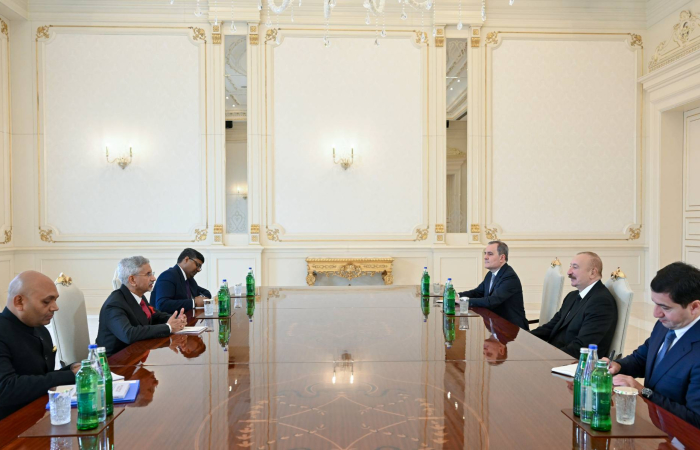
Indian Foreign Minister meets Aliyev in Baku

Indian Foreign Minister meets Aliyev in Baku

On October 23, the president of Azerbaijan Ilham Aliyev met in Baku with Subrahmanyam Jaishankar, Minister of External Affairs of India. This was the highest level visit by an Indian official to Azerbaijan in a long time. According to the website of the Azerbaijani president, Aliyev fondly recalled his meeting with Indian Prime Minister Narendra Modi in Bishkek and the exchange of views during that meeting. President Ilham Aliyev highly appreciated the visit of India’s Minister of External Affairs to Azerbaijan on the instructions of Prime Minister Narendra Modi, stressing its importance for discussing the current state and prospects of bilateral relations. During the meeting, the sides held an extensive exchange of views on the current state of relations between Azerbaijan and India, highlighting ample opportunities to develop cooperation in areas of mutual interest. The sides noted that Azerbaijan and India, as members of the Global South, share similar positions on a number of issues on the international agenda, including matters of concern to countries of the Global South. In this regard, they discussed prospects for bilateral cooperation in political, trade and economic, high-tech, cultural, humanitarian and other fields. The conversation also touched upon the importance of cooperation within international organizations. The sides emphasized the need to intensify political contacts and organize reciprocal visits at various levels, including exchanges involving economic and business delegations, to further advance bilateral relations.

Popular

Editor's choice
Interview
Thursday Interview: Murad Muradov

Thursday Interview: Murad Muradov

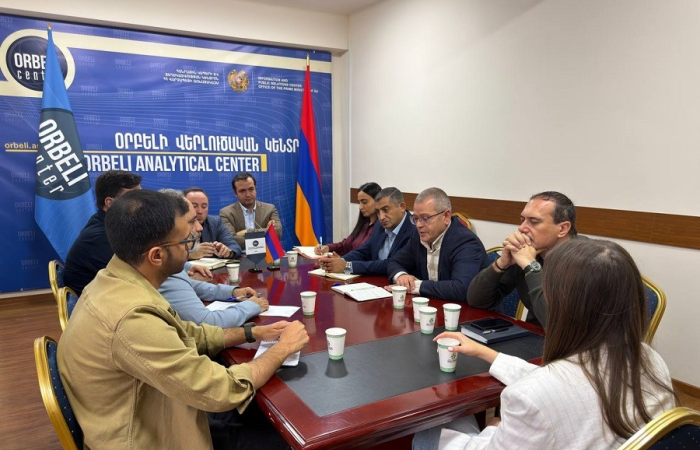
Today, commonspace.eu starts a new regular weekly series. THURSDAY INTERVIEW, conducted by Lauri Nikulainen, will host  persons who are thinkers, opinion shapers, and implementors in their countries and spheres. We start the series with an interview with Murad Muradov, a leading person in Azerbaijan's think tank community. He is also the first co-chair of the Action Committee for a new Armenian-Azerbaijani Dialogue. Last September he made history by being the first Azerbaijani civil society activist to visit Armenia after the 44 day war, and the start of the peace process. Speaking about this visit Murad Muradov said: "My experience was largely positive. My negative expectations luckily didn’t play out. The discussions were respectful, the panel format bringing together experts from Armenia, Azerbaijan, and Turkey was particularly valuable during the NATO Rose-Roth Seminar in Yerevan, and media coverage, while varied in tone, remained largely constructive. Some media outlets though attempted to represent me as more of a government mouthpiece than an independent expert, which was totally misleading.  Overall, I see these initiatives as important steps in rebuilding trust and normalising professional engagement. The fact that soon a larger Azerbaijani civil society visits to Armenia followed, reinforces the sense that this process is moving in the right direction." (click the image to read the interview in full)

