


Парламентская ассамблея ОБСЕ приняла проект резолюции, критикующий Россию

Все страны, участвующаие в Парламентской ассамблее ОБСЕ, кроме России, в понедельник проголосовали в пользу проекта резолюции, которая критикует Россию в нарушении международного права за его действия на территориях Южной Осетии и Абхазии. Сессия ПА ОБСЕ проходила в Тбилиси с 1-5 июля.

В документе выражается "сожаление по поводу того, что несмотря на международные призывы, Россия продолжает нарушать международное право и не принимает во внимание Соглашение достигнутое при посредничистве ЕС от 12 августа 2008 года о прекращении огня, продолжая оккупационную политику и ползучую аннексию регионов Грузии - Абхазии и Южной Осетии через так называемые "договоры об интеграции" с ними.

Документ также ссылается на "тяжелую ситуацию в гуманитарной сфере и в сфере прав человека", и "призывает Российскую Федерацию отменить признание грузинских регионов и прекратить оккупацию территорий Грузии".

Российские официальные лица отклонили обвинения, назвав их предвзятыми. "Мы не поддерживаем проект резолюции, поскольку он является политически мотивированным и не выражает волю абхазского и осетинского народов", заявил член делегации Илья Костунов, как сообщает Agenda.ge.

Окончательное голосование ожидается во вторник. Главный инициатор резолюции Давид Усупашвили, спикер грузинского парламента. "Пятьдесят шесть стран со всего мира говорят одной стране соблюдать стандарты, которые должны соблюдаться," сказал он.

Полный текст резолюции можно посмотреть здесь.

источник: commonspace.eu по материалам агентств

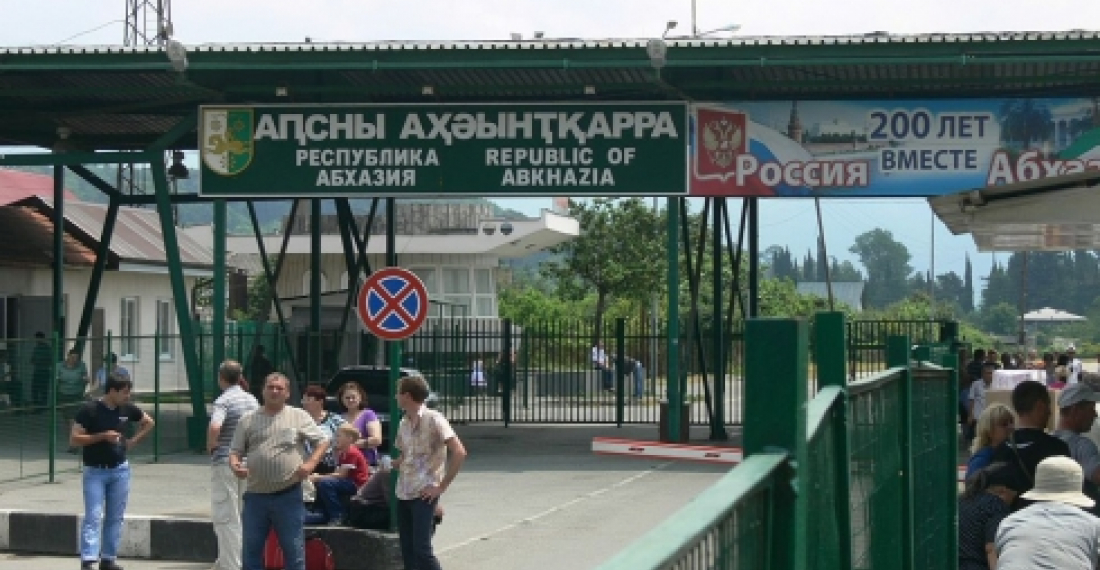
фото: граница России с Абхазией

 

Related articles

Editor's choice
News
Borrell tells the European Parliament that the situation in Afghanistan was critical, but the EU will remain engaged

Borrell tells the European Parliament that the situation in Afghanistan was critical, but the EU will remain engaged

Borrell underlined that the European Union will make every effort to support the peace process and to remain a committed partner to the Afghan people. "Of course, we will have to take into account the evolving situation, but disengagement is not an option.  We are clear on that: there is no alternative to a negotiated political settlement, through inclusive peace talks.
Editor's choice
News
Germany accuses Russia of cyberattacks and disinformation campaign

Germany accuses Russia of cyberattacks and disinformation campaign

The German government holds Russia responsible for a cyberattack on German air traffic control, and for targeted disinformation campaigns before the last federal election. According to the German Foreign Office in Berlin, the incidents could be clearly attributed to the Russian military intelligence service, the GRU. In response, the Russian ambassador to Berlin was summoned to the Foreign Ministry. "We have been observing a massive increase in threatening hybrid activities by Russia for some time now," a spokesperson for the Foreign Ministry stated. These range from disinformation campaigns and espionage to cyberattacks and sabotage attempts. The aim is to divide society, sow distrust, and undermine confidence in democratic institutions. The spokesperson added that with these actions, Russia is "very concretely threatening our security, not only through its war of aggression against Ukraine, but also here in Germany."  The Foreign Ministry spokesperson explained that the cyberattack on air traffic control in August 2024 was clearly attributed to the hacker collective "APT28," known as "Fancy Bear," and to the responsibility of the Russian military intelligence service, the GRU. Furthermore, it could now be "conclusively stated" that Russia had attempted "to influence and destabilize both the last Federal election and the ongoing internal affairs of the Federal Republic of Germany." There was "absolutely irrefutable evidence" for this". The so-called "Storm 1516" campaign, which has been running since 2024, is allegedly backed by "reliable information" that the Moscow-based think tank "Center for Geopolitical Expertise" is behind it. The Center is also said to be supported by Russian military intelligence. Its primary aim is to influence democratic elections in the West. (Click the image to read more).

Popular

Editor's choice
News
Germany accuses Russia of cyberattacks and disinformation campaign

Germany accuses Russia of cyberattacks and disinformation campaign

The German government holds Russia responsible for a cyberattack on German air traffic control, and for targeted disinformation campaigns before the last federal election. According to the German Foreign Office in Berlin, the incidents could be clearly attributed to the Russian military intelligence service, the GRU. In response, the Russian ambassador to Berlin was summoned to the Foreign Ministry. "We have been observing a massive increase in threatening hybrid activities by Russia for some time now," a spokesperson for the Foreign Ministry stated. These range from disinformation campaigns and espionage to cyberattacks and sabotage attempts. The aim is to divide society, sow distrust, and undermine confidence in democratic institutions. The spokesperson added that with these actions, Russia is "very concretely threatening our security, not only through its war of aggression against Ukraine, but also here in Germany."  The Foreign Ministry spokesperson explained that the cyberattack on air traffic control in August 2024 was clearly attributed to the hacker collective "APT28," known as "Fancy Bear," and to the responsibility of the Russian military intelligence service, the GRU. Furthermore, it could now be "conclusively stated" that Russia had attempted "to influence and destabilize both the last Federal election and the ongoing internal affairs of the Federal Republic of Germany." There was "absolutely irrefutable evidence" for this". The so-called "Storm 1516" campaign, which has been running since 2024, is allegedly backed by "reliable information" that the Moscow-based think tank "Center for Geopolitical Expertise" is behind it. The Center is also said to be supported by Russian military intelligence. Its primary aim is to influence democratic elections in the West. (Click the image to read more).


