Заявление ЕС по поводу президентских выборов в Азербайджане

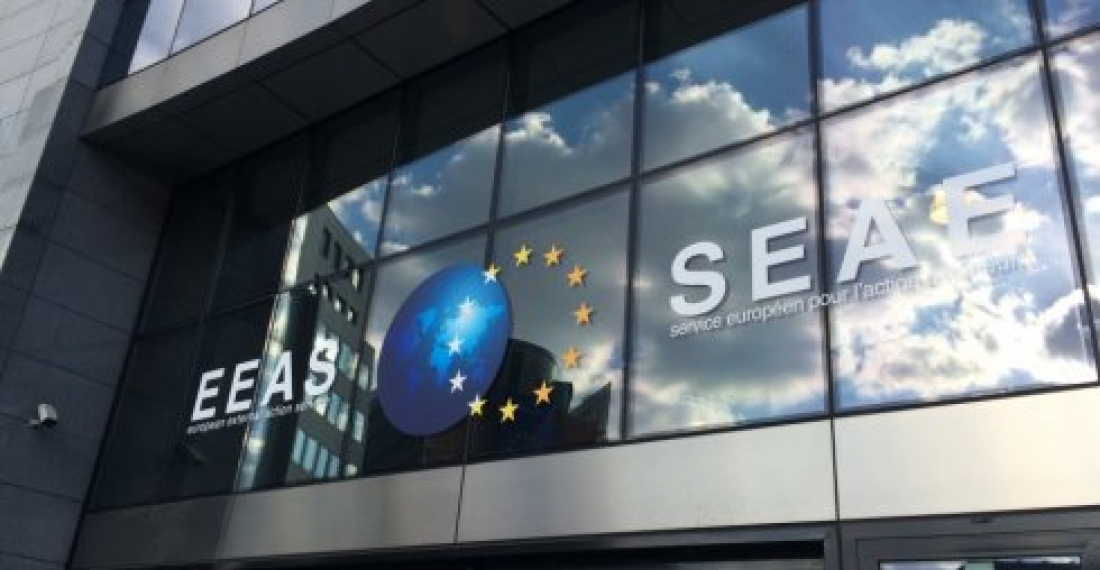
Европейский Cоюз опубликовал заявление о президентских выборах, прошедших на этой неделе в Азербайджане. В заявлении, опубликованном представителем Верховного представителя и размещенном на веб-сайте Европейской службы внешних действий, говорится:

11 апреля 2018 года в Республике Азербайджан состоялись досрочные президентские выборы. По их итогам президент Ильхам Алиев был переизбран на четвертый срок полномочий.

Как отметила Миссия ОБСЕ / БДИПЧ по наблюдению за выборами (МНВ), власти Азербайджана проявили позитивное отношение к международным наблюдателям, которые смогли свободно работать, что является конструктивным шагом.

Согласно МНВ, выборы проходили в ограниченной политической обстановке и в соответствии с законами, которые ограничивают основные права и свободы, включая свободу собраний, выражения мнений и средства массовой информации. В день выборов наблюдатели сообщили о широко распространенном пренебрежении к обязательным процедурам, отсутствии транспарентности и многочисленных серьезных нарушениях.

Европейский Союз ожидает, что власти Азербайджана примут к сведению и реализуют рекомендации БДИПЧ / ОБСЕ в отношении этих и предыдущих выборов. ЕС готов помочь в этом процессе.

ЕС надеется на продолжение диалога и тесного сотрудничества с Азербайджаном, в том числе с целью решения фундаментальных вопросов демократии и прав человека в течение возобновленного срока полномочий президента на благо народа Азербайджана и отношений между ЕС и Азербайджаном.

источник: commonspace.eu по материалам пресс-службы Европейского Союза
Related articles

Editor's choice
News
Borrell tells the European Parliament that the situation in Afghanistan was critical, but the EU will remain engaged

Borrell tells the European Parliament that the situation in Afghanistan was critical, but the EU will remain engaged

Borrell underlined that the European Union will make every effort to support the peace process and to remain a committed partner to the Afghan people. "Of course, we will have to take into account the evolving situation, but disengagement is not an option.  We are clear on that: there is no alternative to a negotiated political settlement, through inclusive peace talks.
Editor's choice
News
Germany accuses Russia of cyberattacks and disinformation campaign

Germany accuses Russia of cyberattacks and disinformation campaign

The German government holds Russia responsible for a cyberattack on German air traffic control, and for targeted disinformation campaigns before the last federal election. According to the German Foreign Office in Berlin, the incidents could be clearly attributed to the Russian military intelligence service, the GRU. In response, the Russian ambassador to Berlin was summoned to the Foreign Ministry. "We have been observing a massive increase in threatening hybrid activities by Russia for some time now," a spokesperson for the Foreign Ministry stated. These range from disinformation campaigns and espionage to cyberattacks and sabotage attempts. The aim is to divide society, sow distrust, and undermine confidence in democratic institutions. The spokesperson added that with these actions, Russia is "very concretely threatening our security, not only through its war of aggression against Ukraine, but also here in Germany."  The Foreign Ministry spokesperson explained that the cyberattack on air traffic control in August 2024 was clearly attributed to the hacker collective "APT28," known as "Fancy Bear," and to the responsibility of the Russian military intelligence service, the GRU. Furthermore, it could now be "conclusively stated" that Russia had attempted "to influence and destabilize both the last Federal election and the ongoing internal affairs of the Federal Republic of Germany." There was "absolutely irrefutable evidence" for this". The so-called "Storm 1516" campaign, which has been running since 2024, is allegedly backed by "reliable information" that the Moscow-based think tank "Center for Geopolitical Expertise" is behind it. The Center is also said to be supported by Russian military intelligence. Its primary aim is to influence democratic elections in the West. (Click the image to read more).

Popular

Editor's choice
News
Germany accuses Russia of cyberattacks and disinformation campaign

Germany accuses Russia of cyberattacks and disinformation campaign

The German government holds Russia responsible for a cyberattack on German air traffic control, and for targeted disinformation campaigns before the last federal election. According to the German Foreign Office in Berlin, the incidents could be clearly attributed to the Russian military intelligence service, the GRU. In response, the Russian ambassador to Berlin was summoned to the Foreign Ministry. "We have been observing a massive increase in threatening hybrid activities by Russia for some time now," a spokesperson for the Foreign Ministry stated. These range from disinformation campaigns and espionage to cyberattacks and sabotage attempts. The aim is to divide society, sow distrust, and undermine confidence in democratic institutions. The spokesperson added that with these actions, Russia is "very concretely threatening our security, not only through its war of aggression against Ukraine, but also here in Germany."  The Foreign Ministry spokesperson explained that the cyberattack on air traffic control in August 2024 was clearly attributed to the hacker collective "APT28," known as "Fancy Bear," and to the responsibility of the Russian military intelligence service, the GRU. Furthermore, it could now be "conclusively stated" that Russia had attempted "to influence and destabilize both the last Federal election and the ongoing internal affairs of the Federal Republic of Germany." There was "absolutely irrefutable evidence" for this". The so-called "Storm 1516" campaign, which has been running since 2024, is allegedly backed by "reliable information" that the Moscow-based think tank "Center for Geopolitical Expertise" is behind it. The Center is also said to be supported by Russian military intelligence. Its primary aim is to influence democratic elections in the West. (Click the image to read more).