


Встреча глав МИД Армении и Азербайджана в Брюсселе (Обновлено)

Министры иностранных дел Армении и Азербайджана в четверг встретились в Брюсселе, в рамках усилий по возобновлению мирных переговор между двумя странами по карабахскому вопросу. Это была первая возможность для нового министра иностранных дел Армении Зохраба Мнацаканяна встретиться с его азербайджанским коллегой Эльмаром Мамедъяровым после его назначения после недавних политических изменений в Армении.

В заявлении сопредседателей Минского процесса ОБСЕ, опубликованное в 13.00 GMT, в четверг, говорилось, что:

"Министры обменялись мнениями относительно ситуации на местах и обсудили следующие шаги и параметры для повторного участия в основных переговорах. Стороны рассмотрели несколько вопросов для будущих совещаний, включая ряд возможных мер укрепления доверия.

Сопредседатели подчеркнули важность снижения напряженности и прекращения воспалительной риторики. Сопредседатели также подтвердили свою готовность помочь сторонам найти мирное решение конфликта на основе основных принципов Хельсинкского Заключительного акта, в том числе неприменения или угрозы силой, территориальной целостности и равных прав и самоопределение народонаселения.

Министры договорились вновь встретиться в ближайшем будущем под эгидой сопредседателей".

Единственный официальный комментарий после встречи до сих пор был только с армянской стороны. В заявлении МИД Армении говорится:

Министр иностранных дел Армении поблагодарил сопредседателей Минской группы ОБСЕ за организацию встречи и подчеркнул важность процесса под их эгидой, а также необходимость сохранения динамики переговорного процесса.

Министерство иностранных дел заявило, что встреча носит характер установления фактов и направлена ​​на ознакомление с позициями сторон.

Зохраб Мнацаканян подчеркнул, что альтернативы переговорному процессу нет, и в этом контексте отметил важность создания атмосферы, способствующей миру, укрепления взаимного доверия, шагов по снижению напряженности, строгого соблюдения режима прекращения огня и отказа от агрессивной риторики. Министр иностранных дел подчеркнул, что реалистичное и конструктивное участие всех сторон имеет первостепенное значение для эффективности усилий, направленных на достижение прочного мира".

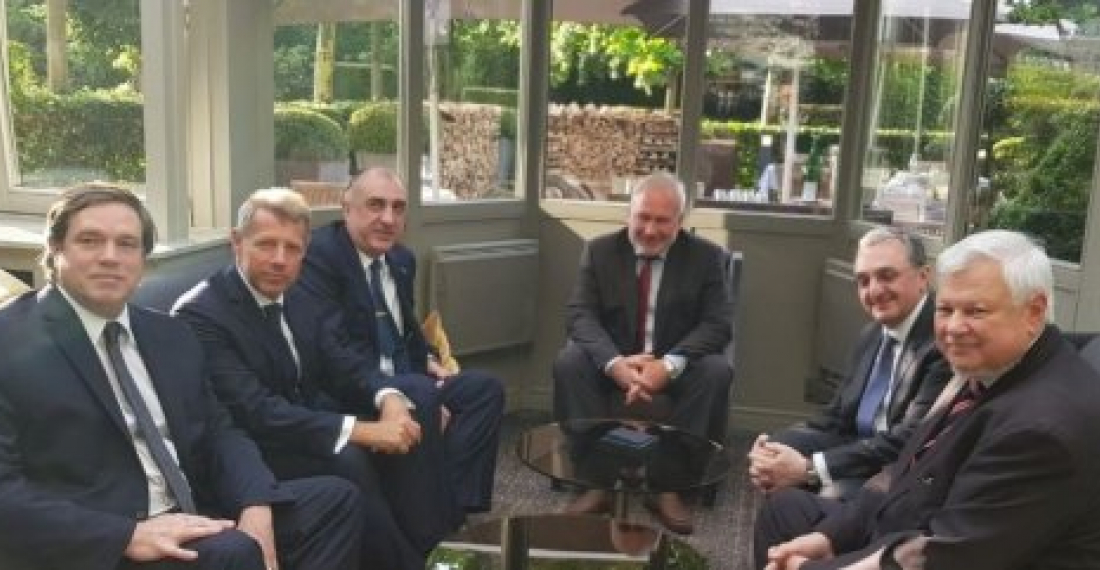
Ранее представитель МИД Азербайджана Хикмет Гаджиев опубликовал в своем Твиттере фотографию встречи, на которой можно видеть двух министров с представителями Франции, России и США - трех стран-сопредседателей и специального представителя ОБСЕ.

От посредников пока еще не поступало никаких комментариев.

источник: commonspace.eu по материалам  агентств

фото: Министр иностранных дел Армении и Азербайджана с посредниками ОБСЕ в Брюсселе, 11 июля 2018 года (фото предоставлено Твиттер Хикмета Гаджиева)


Related articles

Editor's choice
News
Borrell tells the European Parliament that the situation in Afghanistan was critical, but the EU will remain engaged

Borrell tells the European Parliament that the situation in Afghanistan was critical, but the EU will remain engaged

Borrell underlined that the European Union will make every effort to support the peace process and to remain a committed partner to the Afghan people. "Of course, we will have to take into account the evolving situation, but disengagement is not an option.  We are clear on that: there is no alternative to a negotiated political settlement, through inclusive peace talks.
Editor's choice
News
Germany accuses Russia of cyberattacks and disinformation campaign

Germany accuses Russia of cyberattacks and disinformation campaign

The German government holds Russia responsible for a cyberattack on German air traffic control, and for targeted disinformation campaigns before the last federal election. According to the German Foreign Office in Berlin, the incidents could be clearly attributed to the Russian military intelligence service, the GRU. In response, the Russian ambassador to Berlin was summoned to the Foreign Ministry. "We have been observing a massive increase in threatening hybrid activities by Russia for some time now," a spokesperson for the Foreign Ministry stated. These range from disinformation campaigns and espionage to cyberattacks and sabotage attempts. The aim is to divide society, sow distrust, and undermine confidence in democratic institutions. The spokesperson added that with these actions, Russia is "very concretely threatening our security, not only through its war of aggression against Ukraine, but also here in Germany."  The Foreign Ministry spokesperson explained that the cyberattack on air traffic control in August 2024 was clearly attributed to the hacker collective "APT28," known as "Fancy Bear," and to the responsibility of the Russian military intelligence service, the GRU. Furthermore, it could now be "conclusively stated" that Russia had attempted "to influence and destabilize both the last Federal election and the ongoing internal affairs of the Federal Republic of Germany." There was "absolutely irrefutable evidence" for this". The so-called "Storm 1516" campaign, which has been running since 2024, is allegedly backed by "reliable information" that the Moscow-based think tank "Center for Geopolitical Expertise" is behind it. The Center is also said to be supported by Russian military intelligence. Its primary aim is to influence democratic elections in the West. (Click the image to read more).

Popular

Editor's choice
News
Germany accuses Russia of cyberattacks and disinformation campaign

Germany accuses Russia of cyberattacks and disinformation campaign

The German government holds Russia responsible for a cyberattack on German air traffic control, and for targeted disinformation campaigns before the last federal election. According to the German Foreign Office in Berlin, the incidents could be clearly attributed to the Russian military intelligence service, the GRU. In response, the Russian ambassador to Berlin was summoned to the Foreign Ministry. "We have been observing a massive increase in threatening hybrid activities by Russia for some time now," a spokesperson for the Foreign Ministry stated. These range from disinformation campaigns and espionage to cyberattacks and sabotage attempts. The aim is to divide society, sow distrust, and undermine confidence in democratic institutions. The spokesperson added that with these actions, Russia is "very concretely threatening our security, not only through its war of aggression against Ukraine, but also here in Germany."  The Foreign Ministry spokesperson explained that the cyberattack on air traffic control in August 2024 was clearly attributed to the hacker collective "APT28," known as "Fancy Bear," and to the responsibility of the Russian military intelligence service, the GRU. Furthermore, it could now be "conclusively stated" that Russia had attempted "to influence and destabilize both the last Federal election and the ongoing internal affairs of the Federal Republic of Germany." There was "absolutely irrefutable evidence" for this". The so-called "Storm 1516" campaign, which has been running since 2024, is allegedly backed by "reliable information" that the Moscow-based think tank "Center for Geopolitical Expertise" is behind it. The Center is also said to be supported by Russian military intelligence. Its primary aim is to influence democratic elections in the West. (Click the image to read more).

