


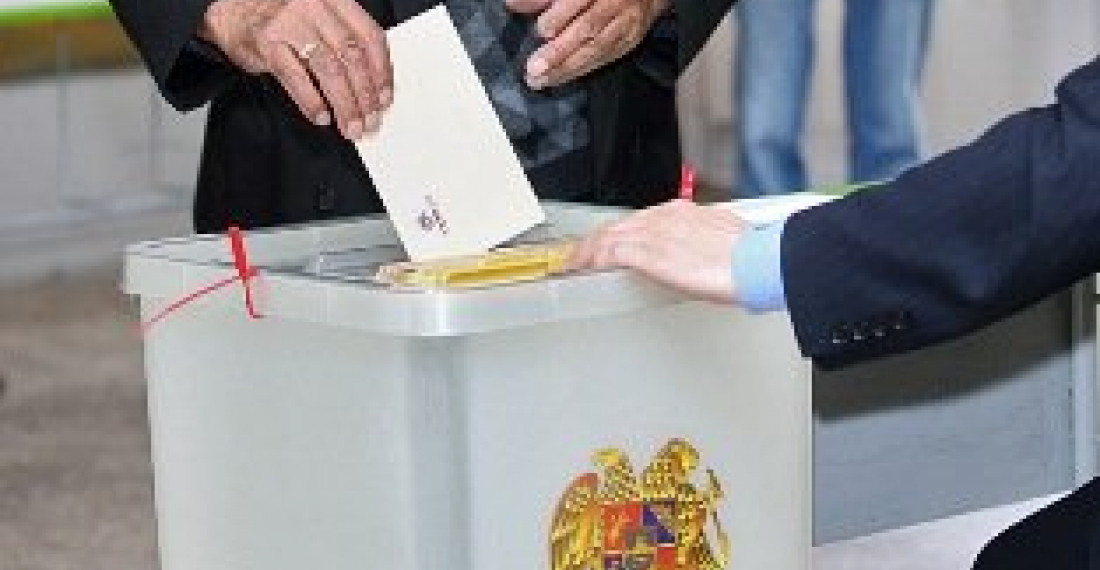
Республиканская партия остается сильнейшей силой в Армении по результатам местных выборов, состоявшихся в воскресенье

2 октября, в Армении, состоялись частичные местные выборы вслед за первой их частью, которые были проведены 18 сентября 2016. Местные выборы в Армении будут проходить в шахматном порядке в течение нескольких недель. На этот раз, выборы прошли в 377 общинах Гегаркуникской, Лорийской, Котайкской, Ширакской, Сюникской и Вайоцдзорской областей. Тем не менее, основное внимание было сосредоточено на Ванадзоре и Гюмри. На выборах мэра во втором и третьем по величине городах в Армении, Гюмри и Ванадзоре, участвовали 10 партий и один политический блок в первом городе и 8 партий во втором соответственно.

Корреспондент Commonspace.eu в Армении Вахагн Антонян сообщает об итогах выборов из города Ванадзор.

Выборы стали серьезным испытанием для всех политических сил в Армении, идущим на парламентские выборы 2017 года, но в первую очередь для правящей Республиканской партии. И республиканцы прошли это испытание, хотя и не без трудностей - Республиканская партия получила большинство голосов в Ванадзоре и Гюмри.

Но выборы также продемонстрировали, что Республиканская партия уже не такая мощная, как раньше. Ей пришлось вступать в коалиции не только во втором и третьем крупнейших городах Армении, но также и в некоторых небольших населенных пунктах. В этот раз, один их её кандидатов проиграл в относительно большом городе Мартуни, в Гегаркуникской области.

Кампания и результаты выборов показали, что независимым кандидатам и политической оппозиции удалось реорганизовать себя после четырехдневного конфликта в апреле и взятия заложников в полицейском участке в Эребуни в июле этого года, что повлияло на их конкурентоспособность. Тем не менее, следует отметить, что они конкурируют в основном друг с другом, а не с партией власти.

В ходе выборов во время этого тура так же, как во время первого 18 сентября, было зарегистрировано большое количество нарушений. К 8 вечера (закрытия избирательных участков) насчитывалось 181 сообщение о нарушениях избирательного законодательства. По данным пресс-релиза полиции, в ходе избирательной кампании и в день голосования, полиция получила информацию о 117 различных видах нарушений и, что начато расследование в отношении 113 из них. Нарушения были зарегистрированы во всех регионах, но больше всего в Лорийской области - 34 жалобы. Следует отметить, что полиция, как и всегда во время выборов, действовал в качестве наблюдателя, отвечая только на нарушения, о которых сообщили СМИ и наблюдатели. Не зафиксировано такого случая, когда полиция раскрыла или предотвратила нарушение по собственной воле.

Несчастный случай был зафиксирован в Гюмри: на одном из избирательных участков потерял сознание, а позднее скончался в больнице Гурген Костанян из Центра по борьбе с коррупцией Transparency International.

Справедливости ради надо сказать, что оппозиционные партии приограли в борьбе правящей партии из-за жесткой конкуренции между собой.

источник: Вахагн Антонян корреспондент commonspace.eu в Армении

 

Related articles

Editor's choice
News
Germany accuses Russia of cyberattacks and disinformation campaign

Germany accuses Russia of cyberattacks and disinformation campaign

The German government holds Russia responsible for a cyberattack on German air traffic control, and for targeted disinformation campaigns before the last federal election. According to the German Foreign Office in Berlin, the incidents could be clearly attributed to the Russian military intelligence service, the GRU. In response, the Russian ambassador to Berlin was summoned to the Foreign Ministry. "We have been observing a massive increase in threatening hybrid activities by Russia for some time now," a spokesperson for the Foreign Ministry stated. These range from disinformation campaigns and espionage to cyberattacks and sabotage attempts. The aim is to divide society, sow distrust, and undermine confidence in democratic institutions. The spokesperson added that with these actions, Russia is "very concretely threatening our security, not only through its war of aggression against Ukraine, but also here in Germany."  The Foreign Ministry spokesperson explained that the cyberattack on air traffic control in August 2024 was clearly attributed to the hacker collective "APT28," known as "Fancy Bear," and to the responsibility of the Russian military intelligence service, the GRU. Furthermore, it could now be "conclusively stated" that Russia had attempted "to influence and destabilize both the last Federal election and the ongoing internal affairs of the Federal Republic of Germany." There was "absolutely irrefutable evidence" for this". The so-called "Storm 1516" campaign, which has been running since 2024, is allegedly backed by "reliable information" that the Moscow-based think tank "Center for Geopolitical Expertise" is behind it. The Center is also said to be supported by Russian military intelligence. Its primary aim is to influence democratic elections in the West. (Click the image to read more).
Editor's choice
News
NATO Chief says war is on Europe's doorstep, and warns against complacency

NATO Chief says war is on Europe's doorstep, and warns against complacency

Russia could attack a NATO country within the next five years, the Secretary General of NATO, Mark Rutte, said in a stark new warning. "NATO's own defences can hold for now," Rutte warned in Berlin, but conflict was "next door" to Europe, and he feared "too many are quietly complacent, and too many don't feel the urgency, too many believe that time is on our side. "Russia is already escalating its covert campaign against our societies," Rutte said in a speech in Germany. "We must be prepared for the scale of war our grandparents or great-grandparents endured." Earlier this month, Russia's President Vladimir Putin said his country was not planning to go to war with Europe, but it was ready "right now" if Europe wanted to - or started a war. But similar reassurances were given by Moscow in 2022, just before 200,000 Russian troops crossed the border and invaded Ukraine. Putin has accused European countries of hindering US efforts to bring peace in Ukraine - a reference to the role Ukraine's European allies have recently played in trying to change a US peace plan to end the war, whose initial draft was seen as favouring Russia. But Putin was not sincere, Nato's secretary-general said in the German capital, Berlin. Supporting Ukraine, he added, was a guarantee for European security. "Just imagine if Putin got his way; Ukraine under the boot of Russian occupation, his forces pressing against a longer border with Nato, and the significantly increased risk of an armed attack against us." Russia's economy has been on a war footing for more than three years now - its factories churn out ever more supplies of drones, missiles and artillery shells. According to a recent report by the Kiel Institute for the World Economy, Russia has been producing each month around 150 tanks, 550 infantry fighting vehicles, 120 Lancet drones and more than 50 artillery pieces. The UK, and most of its Western allies, are simply not anywhere near this point. Analysts say it would take years for Western Europe's factories to come close to matching Russia's mass-production of weapons. "Allied defence spending and production must rise rapidly, our armed forces must have what they need to keep us safe," the Nato chief said.

Popular

Editor's choice
News
Germany accuses Russia of cyberattacks and disinformation campaign

Germany accuses Russia of cyberattacks and disinformation campaign

The German government holds Russia responsible for a cyberattack on German air traffic control, and for targeted disinformation campaigns before the last federal election. According to the German Foreign Office in Berlin, the incidents could be clearly attributed to the Russian military intelligence service, the GRU. In response, the Russian ambassador to Berlin was summoned to the Foreign Ministry. "We have been observing a massive increase in threatening hybrid activities by Russia for some time now," a spokesperson for the Foreign Ministry stated. These range from disinformation campaigns and espionage to cyberattacks and sabotage attempts. The aim is to divide society, sow distrust, and undermine confidence in democratic institutions. The spokesperson added that with these actions, Russia is "very concretely threatening our security, not only through its war of aggression against Ukraine, but also here in Germany."  The Foreign Ministry spokesperson explained that the cyberattack on air traffic control in August 2024 was clearly attributed to the hacker collective "APT28," known as "Fancy Bear," and to the responsibility of the Russian military intelligence service, the GRU. Furthermore, it could now be "conclusively stated" that Russia had attempted "to influence and destabilize both the last Federal election and the ongoing internal affairs of the Federal Republic of Germany." There was "absolutely irrefutable evidence" for this". The so-called "Storm 1516" campaign, which has been running since 2024, is allegedly backed by "reliable information" that the Moscow-based think tank "Center for Geopolitical Expertise" is behind it. The Center is also said to be supported by Russian military intelligence. Its primary aim is to influence democratic elections in the West. (Click the image to read more).


