Иран повышает ставки в ядерном противостоянии

Президент Ирана объявил во вторник (5 ноября), что Тегеран начнет закачивать урановый газ в 1,044 центрифуги, что является последним шагом от его ядерной сделки с мировыми державами с тех пор, как президент Дональд Трамп вышел из соглашения более года назад.

Это важное событие, поскольку центрифуги, ранее вращались пустыми, без закачки газа, в соответствии с соглашением о ядерной энергетике 2015 года. Это также увеличивает давление на европейские нации, которые остаются в соглашении, которое на данный момент почти распалось.

В своем заявлении президент Хасан Рухани не сказал, будут ли центрифуги, которые находятся на ядерном объекте в Фордо, использоваться для производства обогащенного урана.

По словам Рухани, в центрифуги будет добавлен урановый газ с 6 ноября.

Его выступление в прямом эфире иранского государственного телевидения прозвучало на следующий день после того, как глава ядерной программы Тегерана заявил, что страна удвоила количество современных центрифуг IR-6.

Пока не было реакции со стороны Международного агентства по атомной энергии, наблюдатель Организации Объединенных Наций за ядерным оружием, который сейчас следит за выполнением Ираном соглашения.

Рухани подчеркнул, что предпринятые до сих пор шаги, в том числе выход за рамки ограничений по обогащению и запасам, могут быть отменены, если Европа предложит способ избежать санкций США, ограничивающих продажи сырой нефти за рубежом.

источник: commonspace.eu по материалам агентств

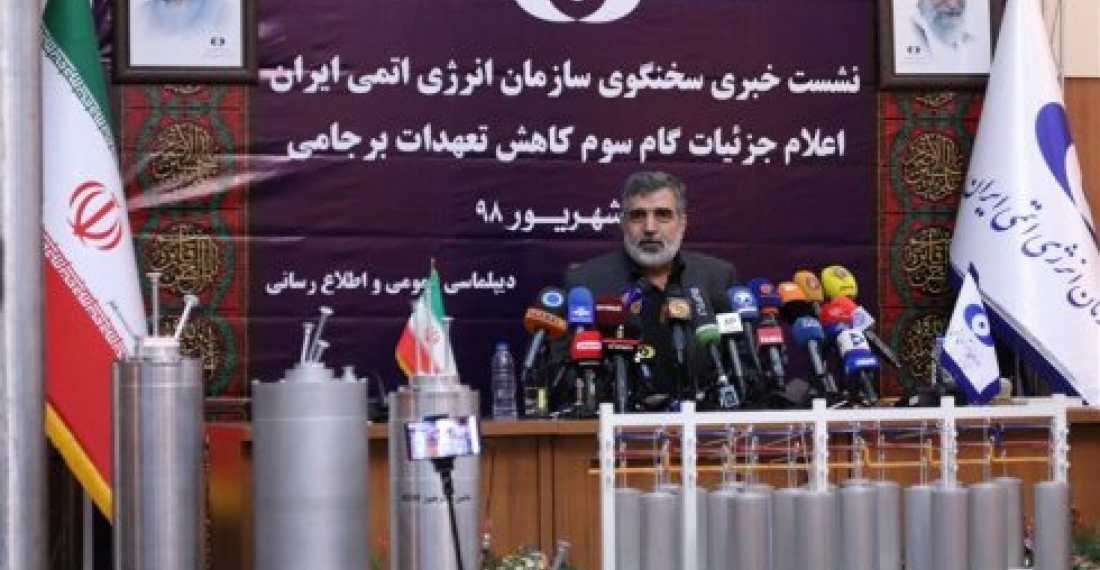
фото: Президент Ирана Роухани осматривает ядерный объект (фото из архива)
Related articles

Editor's choice
News
Indian Foreign Minister meets Aliyev in Baku

Indian Foreign Minister meets Aliyev in Baku

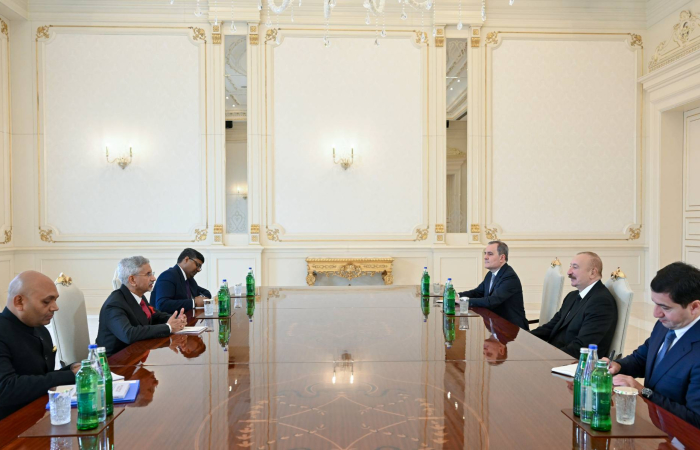
On October 23, the president of Azerbaijan Ilham Aliyev met in Baku with Subrahmanyam Jaishankar, Minister of External Affairs of India. This was the highest level visit by an Indian official to Azerbaijan in a long time. According to the website of the Azerbaijani president, Aliyev fondly recalled his meeting with Indian Prime Minister Narendra Modi in Bishkek and the exchange of views during that meeting. President Ilham Aliyev highly appreciated the visit of India’s Minister of External Affairs to Azerbaijan on the instructions of Prime Minister Narendra Modi, stressing its importance for discussing the current state and prospects of bilateral relations. During the meeting, the sides held an extensive exchange of views on the current state of relations between Azerbaijan and India, highlighting ample opportunities to develop cooperation in areas of mutual interest. The sides noted that Azerbaijan and India, as members of the Global South, share similar positions on a number of issues on the international agenda, including matters of concern to countries of the Global South. In this regard, they discussed prospects for bilateral cooperation in political, trade and economic, high-tech, cultural, humanitarian and other fields. The conversation also touched upon the importance of cooperation within international organizations. The sides emphasized the need to intensify political contacts and organize reciprocal visits at various levels, including exchanges involving economic and business delegations, to further advance bilateral relations.

Popular

Editor's choice
Interview
Thursday Interview: Murad Muradov

Thursday Interview: Murad Muradov

Today, commonspace.eu starts a new regular weekly series. THURSDAY INTERVIEW, conducted by Lauri Nikulainen, will host  persons who are thinkers, opinion shapers, and implementors in their countries and spheres. We start the series with an interview with Murad Muradov, a leading person in Azerbaijan's think tank community. He is also the first co-chair of the Action Committee for a new Armenian-Azerbaijani Dialogue. Last September he made history by being the first Azerbaijani civil society activist to visit Armenia after the 44 day war, and the start of the peace process. Speaking about this visit Murad Muradov said: "My experience was largely positive. My negative expectations luckily didn’t play out. The discussions were respectful, the panel format bringing together experts from Armenia, Azerbaijan, and Turkey was particularly valuable during the NATO Rose-Roth Seminar in Yerevan, and media coverage, while varied in tone, remained largely constructive. Some media outlets though attempted to represent me as more of a government mouthpiece than an independent expert, which was totally misleading.  Overall, I see these initiatives as important steps in rebuilding trust and normalising professional engagement. The fact that soon a larger Azerbaijani civil society visits to Armenia followed, reinforces the sense that this process is moving in the right direction." (click the image to read the interview in full)