


Ильхам Алиев возглавил заседание СБ ООН. Президент Азербайджана сослался на карабахский конфликт и обвинил Армению в этнических чистках.
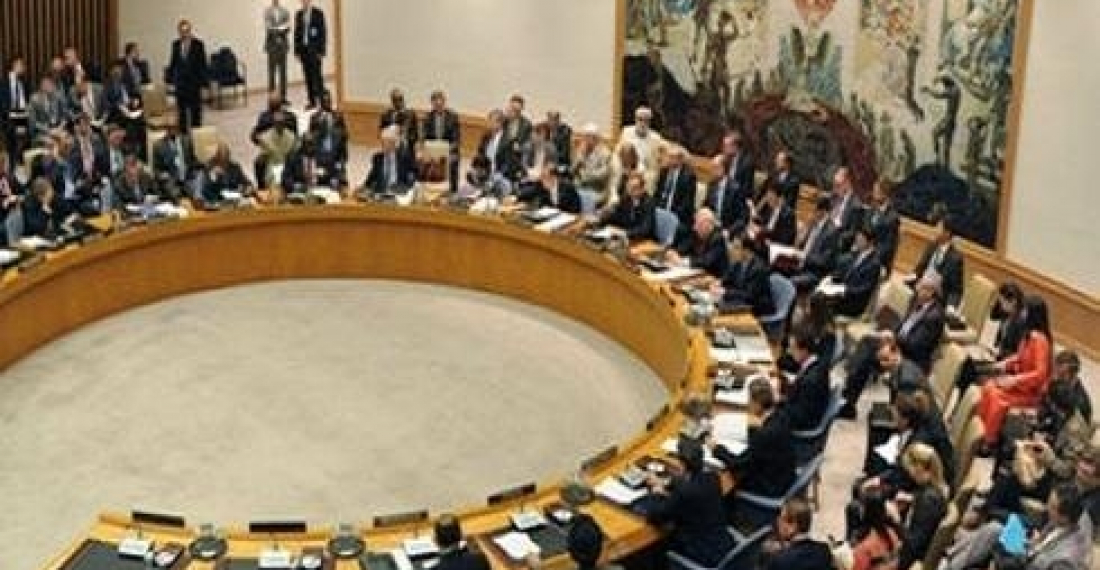

Президент Азербайджана Ильхам Алиев вчера открыл 6765 заседание Совета Безопасности Организации Объединенных Наций в Нью-Йорке и возглавил первое заседание. Азербайджан будет председательствовать в Совете в течение мая месяца в рамках системы председательства между 15 членами Совета, в том числе пяти постоянных членов (Великобритания, Китай, Франция, Россия и США) и десяти членов, избираемых Генеральной Ассамблеей на два года.

В центре внимания нынешней сессии антитеррористическая борьба. Президент Алиев заявил, что "Азербайджан решительно осуждает все формы терроризма. Мы рассматриваем все теракты, как преступление, и они должны быть осуждены и наказаны. Террористом не следует давать повод для своих действий. Теракты не могут быть оправданы независимо от их мотивации".

Заседание Совета Безопасности состоялось перед рассмотрением в следующем месяце на Генеральной Ассамблее Организации Объединенных Наций, Глобальной контртеррористической стратегии.

В своем выступлении азербайджанский лидер также упомянул о нагорно-карабахском конфликте и связанных с терроризмом "агрессивном сепаратизме, экстремизме и организованной преступности". Алиев также обвинил Армению в этнических чистках во время карабахского конфликта.

Политический редактор Commonspace.eu сказал, что речь Алиева "означает, что Азербайджан попытается использовать площадку Совета Безопасности довести карабахский конфликт до внимания международного сообщества. Однако, это не заставит Совет принять любую значимую резолюцию по Карабаху, так как постоянные члены по-прежнему привержены Минскому процессу, как механизму для рассмотрения усилии по его урегулированию, а также роли ООН на данном этапе не предусматривается. Однако, могут быть некоторые проблемы гуманитарного характера, которые могут быть рассмотрены в международной организации, и вполне вероятно, что Азербайджан будет идти именно в этом направлении в течение ближайших месяцев".

Источник: commonspace.eu

Фото: Президент Азербайджана, Ильхам Алиев, выступая на открытии 6765 сессии Совета Безопасности Организации Объединенных Наций в Нью-Йорке, 4 мая 2012 года (рисунок любезно предоставлен пресс-службой президента Азербайджана).

Related articles

Editor's choice
News
Aden under curfew, as problem in Yemen's south deepens

Aden under curfew, as problem in Yemen's south deepens

The port city of Aden, in Yemen's south, has been put under curfew, as the rift in the country between  the Saudi led coalition which  backs Yemen's presidential governing council, and the southern forces led by the Southern Transitional Council (STC), deepens. Abdul Rahman al-Mahrami, a member of the Yemeni Presidential Governing Council and commander of the al-Amalik brigades, has ordered a curfew in the temporary capital, Aden, "to maintain security". "A curfew has been imposed throughout Aden Governorate from 9:00 p.m. to 6:00 a.m., in accordance with the instructions of Commander Abdul Rahman al-Mahrami, a member of the Presidential Management Council," the statement said. It states that only security and military personnel, as well as medical and technical teams with approved permits, will be allowed to move in the area during these hours. Yemen's presidential council, which is backed by Saudi Arabia and which already is in a struggle with the Houthi Movement in the north of the country who also occupy the capital Sanaa, two days ago issued an order for the arrest of the head of the Southern Transitional Council (STC),, Aidarous al Zubaidi. The STC have wide support among people in the South, and advocate that South Yemen restores its independence. The coalition warned of further escalation in Aden, long regarded as an STC stronghold, as the Presidential Leadership Council (PLC) chief accused STC leader Aidarous Al Zubaidi of “high treason” and announced the revocation of his membership in the governing body. The moves mark a sharp escalation in tensions within the anti-Houthi camp, despite National Shield Forces, rivals of the STC and former allies, having recently retaken control of Hadhramaut and Mahra from southern fighters. The STC’s takeover of the two regions last month angered Saudi Arabia and contributed to igniting the current internal conflict. (click the picture to read more)

Popular

Editor's choice
News
Aden under curfew, as problem in Yemen's south deepens

Aden under curfew, as problem in Yemen's south deepens

The port city of Aden, in Yemen's south, has been put under curfew, as the rift in the country between  the Saudi led coalition which  backs Yemen's presidential governing council, and the southern forces led by the Southern Transitional Council (STC), deepens. Abdul Rahman al-Mahrami, a member of the Yemeni Presidential Governing Council and commander of the al-Amalik brigades, has ordered a curfew in the temporary capital, Aden, "to maintain security". "A curfew has been imposed throughout Aden Governorate from 9:00 p.m. to 6:00 a.m., in accordance with the instructions of Commander Abdul Rahman al-Mahrami, a member of the Presidential Management Council," the statement said. It states that only security and military personnel, as well as medical and technical teams with approved permits, will be allowed to move in the area during these hours. Yemen's presidential council, which is backed by Saudi Arabia and which already is in a struggle with the Houthi Movement in the north of the country who also occupy the capital Sanaa, two days ago issued an order for the arrest of the head of the Southern Transitional Council (STC),, Aidarous al Zubaidi. The STC have wide support among people in the South, and advocate that South Yemen restores its independence. The coalition warned of further escalation in Aden, long regarded as an STC stronghold, as the Presidential Leadership Council (PLC) chief accused STC leader Aidarous Al Zubaidi of “high treason” and announced the revocation of his membership in the governing body. The moves mark a sharp escalation in tensions within the anti-Houthi camp, despite National Shield Forces, rivals of the STC and former allies, having recently retaken control of Hadhramaut and Mahra from southern fighters. The STC’s takeover of the two regions last month angered Saudi Arabia and contributed to igniting the current internal conflict. (click the picture to read more)


