


"Горячие и холодные" послания Мамедъярова ОБСЕ; организация должна быть "ориентирована на конкретные действия", и роль офиса ОБСЕ в Баку нуждается в "пересмотре".

Министр иностранных дел Азербайджана, Эльмар Мамедъяров, во вторник обратился к представителям 57 государств-участников Организации по безопасности и сотрудничеству в Европе (ОБСЕ) на заседании Постоянного совета Организации в австрийской столице Вене.

Излагая поддержку ОБСЕ в качестве платформы для решения угроз безопасности и ее исторических успехов в формировании консенсуса между различными государствами, он призвал государства использовать текущий процесс  Хельсинки +40 для того, чтобы ОБСЕ стала "на действие ориентированная организация" в преддверии 40-летия Хельсинкского заключительного акта, который будет праздноваться в 2015 году.

Как сообщается на сайте организации www.osce.org, Мамедъяров заявил собравшимся дипломатам в Вене, что "сравнительное преимущество заключается во всеобъемлющей концепции безопасности" и подчеркнул роль организации  в укреплении безопасности тех стран, которые не являются частью каких-либо сообществ по безопасности.

Призывая к широкому обсуждению в рамках ОБСЕ по затяжным конфликтам, в том числе по вопросу Нагорного Карабаха, он сказал: "Азербайджан считает, что потенциал по разрешению армяно-азербайджанского конфликта не исчерпан." Он  заявил, что существует необходимость "оживления" формата Минской группы ОБСЕ, "призывая к более предметным переговорам, а не к переговорам ради переговоров."

Относительно деятельности ОБСЕ в Азербайджане, Мамедъяров заявил о намерении своей страны пригласить мониторинговую группу для наблюдения за предстоящими президентскими выборами, в соответствии с обязательствами его страны перед ОБСЕ. Он также подтвердил желание Азербайджана пересмотреть статус офиса ОБСЕ в его стране, отметив, что работа офиса может состоять в координации проектов.

Мамедъяров выступил на специальном заседании Постоянного совета ОБСЕ. В последний раз он выступал на заседании Постоянного совета в 2004 году.

Политический редактор Commonspace.eu так прокомментировал выступление министра иностранных дел Азербайджана:

"Азербайджан, с одной стороны, понимает ту важную роль, которую играет ОБСЕ в укреплении безопасности на европейском континенте. Для неприсоединившихся стран, таких как Азербайджан, эта ключевая роль и очень значимая, и Азербайджан должен быть на переднем плане дискуссии о том, как организация в будущем может способствовать обеспечению безопасности ее государств-членов. Однако, речь Мамедъярова показывает, что Азербайджан, кажется, думает, что он может выборочно подходить к роли и обязанностям организации. Роль ОБСЕ, как хранителя хельсинкского Заключительного Акта и последующих общеевропейских соглашений, является целостной. Тоже самое касается и прав человека, и основных свобод, и безопасности. Попытка изменить это равносильно переносу процесса еще в до брежневскую эпоху.

Попытка Азербайджана изменить мандат офиса ОБСЕ в Баку является неприемлемым для многих государств-членов. Западные дипломаты жалуются, что поведение Азербайджана в Постоянном совете ОБСЕ иногда высокомерно и цинично. Отчасти это результат разочарования Азербайджана из-за отсутствия прогресса в переговорах при посредничестве МГ ОБСЕ в процессе по разрешению нагорно-карабахского конфликта, и это понятно. Но это также отражение отказа Азербайджана принять конструктивную критику по вопросам демократий и прав человека. Принятие решения по отношениям с ОБСЕ полностью зависит только от Азербайджана при понимании того, что ОБСЕ является организацией комплексного обеда, а не меню на выбор."

Источник: commonspace.eu по материалам www.osce.org

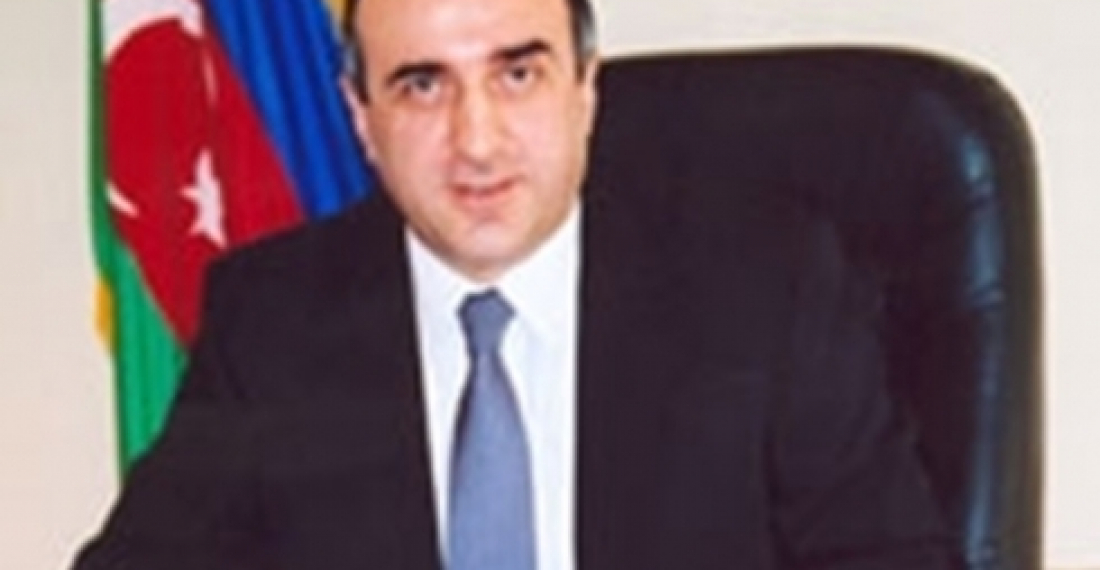
Фото: Министр иностранных дел Азербайджана Эльмар Мамедъяров

Related articles

Editor's choice
News
Aden under curfew, as problem in Yemen's south deepens

Aden under curfew, as problem in Yemen's south deepens

The port city of Aden, in Yemen's south, has been put under curfew, as the rift in the country between  the Saudi led coalition which  backs Yemen's presidential governing council, and the southern forces led by the Southern Transitional Council (STC), deepens. Abdul Rahman al-Mahrami, a member of the Yemeni Presidential Governing Council and commander of the al-Amalik brigades, has ordered a curfew in the temporary capital, Aden, "to maintain security". "A curfew has been imposed throughout Aden Governorate from 9:00 p.m. to 6:00 a.m., in accordance with the instructions of Commander Abdul Rahman al-Mahrami, a member of the Presidential Management Council," the statement said. It states that only security and military personnel, as well as medical and technical teams with approved permits, will be allowed to move in the area during these hours. Yemen's presidential council, which is backed by Saudi Arabia and which already is in a struggle with the Houthi Movement in the north of the country who also occupy the capital Sanaa, two days ago issued an order for the arrest of the head of the Southern Transitional Council (STC),, Aidarous al Zubaidi. The STC have wide support among people in the South, and advocate that South Yemen restores its independence. The coalition warned of further escalation in Aden, long regarded as an STC stronghold, as the Presidential Leadership Council (PLC) chief accused STC leader Aidarous Al Zubaidi of “high treason” and announced the revocation of his membership in the governing body. The moves mark a sharp escalation in tensions within the anti-Houthi camp, despite National Shield Forces, rivals of the STC and former allies, having recently retaken control of Hadhramaut and Mahra from southern fighters. The STC’s takeover of the two regions last month angered Saudi Arabia and contributed to igniting the current internal conflict. (click the picture to read more)

Popular

Editor's choice
News
Aden under curfew, as problem in Yemen's south deepens

Aden under curfew, as problem in Yemen's south deepens

The port city of Aden, in Yemen's south, has been put under curfew, as the rift in the country between  the Saudi led coalition which  backs Yemen's presidential governing council, and the southern forces led by the Southern Transitional Council (STC), deepens. Abdul Rahman al-Mahrami, a member of the Yemeni Presidential Governing Council and commander of the al-Amalik brigades, has ordered a curfew in the temporary capital, Aden, "to maintain security". "A curfew has been imposed throughout Aden Governorate from 9:00 p.m. to 6:00 a.m., in accordance with the instructions of Commander Abdul Rahman al-Mahrami, a member of the Presidential Management Council," the statement said. It states that only security and military personnel, as well as medical and technical teams with approved permits, will be allowed to move in the area during these hours. Yemen's presidential council, which is backed by Saudi Arabia and which already is in a struggle with the Houthi Movement in the north of the country who also occupy the capital Sanaa, two days ago issued an order for the arrest of the head of the Southern Transitional Council (STC),, Aidarous al Zubaidi. The STC have wide support among people in the South, and advocate that South Yemen restores its independence. The coalition warned of further escalation in Aden, long regarded as an STC stronghold, as the Presidential Leadership Council (PLC) chief accused STC leader Aidarous Al Zubaidi of “high treason” and announced the revocation of his membership in the governing body. The moves mark a sharp escalation in tensions within the anti-Houthi camp, despite National Shield Forces, rivals of the STC and former allies, having recently retaken control of Hadhramaut and Mahra from southern fighters. The STC’s takeover of the two regions last month angered Saudi Arabia and contributed to igniting the current internal conflict. (click the picture to read more)


