


Горан Ленмаркер: «Войну легко начать, но трудно закончить»


«Мирное решение, которое предлагает Минская группа ОБСЕ, выгодно для обеих сторон. ЕС следует предоставить сильную поддержку членству в этой организации трех южно-кавказских стран», - сказал экс-глава Парламентской ассамблеи ОБСЕ, а ныне председатель Фонда демократии им. Ярла Ялмарсона Горан Ленмаркер.

Как передает 1news.az со ссылкой на apa.az, Г.Ленмаркер не считает, что на Южном Кавказе вспыхнет новая война.

«Войну легко начать, но трудно закончить. Принимая во внимание, что военные действия не всегда идут правильно, очень сложно предсказать их последствия. К примеру, военно-воздушное превосходство имеет решающее значение, оно зависит от навыков, принципов, стратегии и тактики, которым сложно дать оценку.

Начало войны также приведет к тому, что большинство молодых мужчин и гражданских лиц будут убиты, многие будут ранены и сильно изувечены, а государственная экономика будет разрушена, поэтому я убежден, что ответственные лидеры двух стран, с которыми я встречался, не будут принимать столь судьбоносные решения», - сказал он.

Говоря о шагах, которые должны быть сделаны в незамедлительном порядке Минской группой ОБСЕ и сторонами конфликта, чтобы вывести ситуацию из тупика, ГЛенмаркер отметил, что «общественное мнение в обеих странах должно понять, что мирное решение должно быть компромиссным».

«Ни одна из сторон не удовлетворит всех своих требований. Однако мирное решение, которое предлагает Минская группа ОБСЕ, выгодно для обеих сторон. К примеру, сотни тысяч вынужденных переселенцев и беженцев получат возможность вернуться к себе на родину, возможно, в свои дома.

Также важно, чтобы они могли посещать могилы своих близких. Эти пожелания я высказывал во время посещений лагерей для беженцев», - отметил экс-глава ПА ОБСЕ.

«То, что Россия активно посредничает в этом вопросе, является положительным моментом, и я согласен с тем, что ЕС ведет себя чересчур пассивно. Европа имеет уникальный опыт построения мира на своем пространстве, установления благополучия и демократии после многочисленных войн между народами, которые сегодня являются членами ЕС, активно работает над установлением мира после войны в Югославии.

Я считаю, что ЕС следует предоставить самую сильную поддержку, которая подразумевает возможность членства в Союзе трем южно-кавказским странам. Азербайджан, Армения и Грузия – суверенные страны, и, если они пожелают стать частью европейской интеграции и будут соответствовать ее критериям, то такая возможность должна быть открыта для них. Я уверен, что это принесет долгосрочный мир и стабильность в регион», - резюмировал Горан Ленмаркер.
 

Related articles

Editor's choice
News
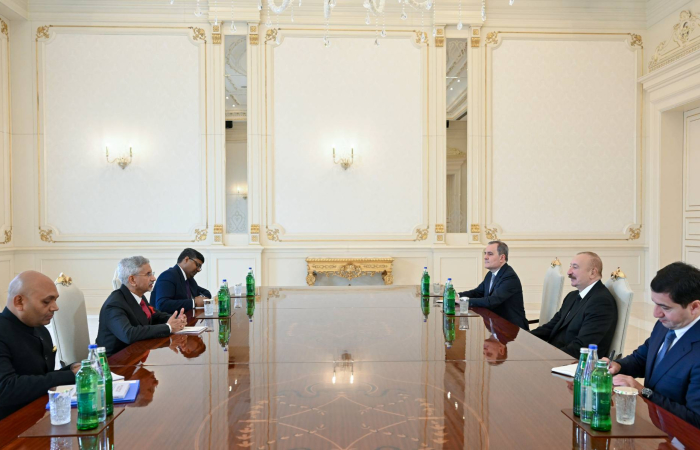
Indian Foreign Minister meets Aliyev in Baku

Indian Foreign Minister meets Aliyev in Baku

On October 23, the president of Azerbaijan Ilham Aliyev met in Baku with Subrahmanyam Jaishankar, Minister of External Affairs of India. This was the highest level visit by an Indian official to Azerbaijan in a long time. According to the website of the Azerbaijani president, Aliyev fondly recalled his meeting with Indian Prime Minister Narendra Modi in Bishkek and the exchange of views during that meeting. President Ilham Aliyev highly appreciated the visit of India’s Minister of External Affairs to Azerbaijan on the instructions of Prime Minister Narendra Modi, stressing its importance for discussing the current state and prospects of bilateral relations. During the meeting, the sides held an extensive exchange of views on the current state of relations between Azerbaijan and India, highlighting ample opportunities to develop cooperation in areas of mutual interest. The sides noted that Azerbaijan and India, as members of the Global South, share similar positions on a number of issues on the international agenda, including matters of concern to countries of the Global South. In this regard, they discussed prospects for bilateral cooperation in political, trade and economic, high-tech, cultural, humanitarian and other fields. The conversation also touched upon the importance of cooperation within international organizations. The sides emphasized the need to intensify political contacts and organize reciprocal visits at various levels, including exchanges involving economic and business delegations, to further advance bilateral relations.

Popular

Editor's choice
Interview
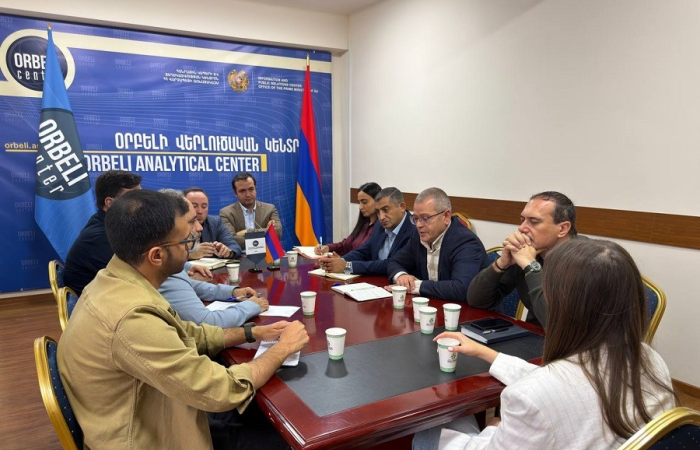
Thursday Interview: Murad Muradov

Thursday Interview: Murad Muradov

Today, commonspace.eu starts a new regular weekly series. THURSDAY INTERVIEW, conducted by Lauri Nikulainen, will host  persons who are thinkers, opinion shapers, and implementors in their countries and spheres. We start the series with an interview with Murad Muradov, a leading person in Azerbaijan's think tank community. He is also the first co-chair of the Action Committee for a new Armenian-Azerbaijani Dialogue. Last September he made history by being the first Azerbaijani civil society activist to visit Armenia after the 44 day war, and the start of the peace process. Speaking about this visit Murad Muradov said: "My experience was largely positive. My negative expectations luckily didn’t play out. The discussions were respectful, the panel format bringing together experts from Armenia, Azerbaijan, and Turkey was particularly valuable during the NATO Rose-Roth Seminar in Yerevan, and media coverage, while varied in tone, remained largely constructive. Some media outlets though attempted to represent me as more of a government mouthpiece than an independent expert, which was totally misleading.  Overall, I see these initiatives as important steps in rebuilding trust and normalising professional engagement. The fact that soon a larger Azerbaijani civil society visits to Armenia followed, reinforces the sense that this process is moving in the right direction." (click the image to read the interview in full)

