


Германия хочет играть более важную роль на Южном Кавказе. Визит министра иностранных дел Франк-Вальтер Штайнмайера в Армению и Азербайджан на этой неделе был своевременным и значимым.

Министр иностранных дел Германии Франк-Вальтер Штайнмайер 22 и 23 октября посетил Азербайджан и Армению. Короткий, но важный визит рассматривается как признак повышения немецкой и европейской активности по взаимодействию с Южным Кавказом. Ранее в этом году Штайнмайер посетил Грузию в сопровождении министра иностранных дел Франции Ролана Фабиуса.

В Азербайджане, министр иностранных дел Штайнмайер в среду (22 октября) встретился с президентом Ильхамом Алиевым и министром иностранных дел Эльмаром Мамедъяровым. В Баку Штайнмайер обсудил с руководством Азербайджана текущее состояние отношений ЕС-Азербайджан, а также двусторонние вопросы. На следующий день в Армении, Штайнмайер провел переговоры с президентом Армении Сержем Саргсяном и со своим коллегой, Эдвардом Налбандяном. Этот визит стал первым визитом высокопоставленного западного политика в Ереван после того, как Армения подписала договор о присоединении к продвигаемому Россией Евразийскому экономическому союзу. Германия является вторым по величине донором Армении, после США. В рамках межправительственных консультаций по сотрудничеству в целях развития, состоявшихся в октябре 2014 года, Германия обязалась предоставить 109.8 миллионов евро в рамках финансового сотрудничества.

По данным немецкого МИД ситуация вокруг нагорно-карабахского конфликта была в центре внимания в ходе визита главы германской дипломатии на Южный Кавказ. Министерство заявило, что Германия и ее партнеры по ЕС поддержат усилия по проведению переговоров Минской группы ОБСЕ (Организации по безопасности и сотрудничеству в Европе) и призвали власти Азербайджана и Армении найти мирное и взаимоприемлемое решение Конфликта. Визит Штайнмайера состоялся за несколько дней до встречи президентов Армении и Азербайджана в Париже по приглашению президента Франции Франсуа Олланда в рамках новой попытки оживить переговоры по мирному урегулированию конфликта.

По словам политического редактора Commonspace.eu, визит Штайнмайера в Баку и Ереван было своевременным и значимым. По Нагорному Карабаху есть некоторые надежды, что переговоры между Арменией и Азербайджаном могут достичь прорыва на саммите в Париже. Германия бросила все силы на это. Штайнмайер призвал лидеров обеих стран сделать все необходимое, чтобы продвинуть мирный процесс. Визит также указывает на большую заинтересованность Германии по вопросам, связанным с европейской безопасностью в странах восточного соседства. Немецкая дипломатия извлекла уроки из событий в Украине в последние месяцы, и есть признаки более интенсивного взаимодействия Германии со странами региона, в частности на Южном Кавказе. Это будет способствовать повышению доверия к общей политике Европейского Союза и стратегии в отношении региона. Во время своего визита Штайнмайер отметил, что специальным  представителем Европейского Союза в регионе назначен немецкий дипломат. Источники в дипломатических кругах также отмечают, что Германия, скорее всего, будет занимать в ближайшем будущем заметную роль в ОБСЕ. 

Источник: commonspace.eu

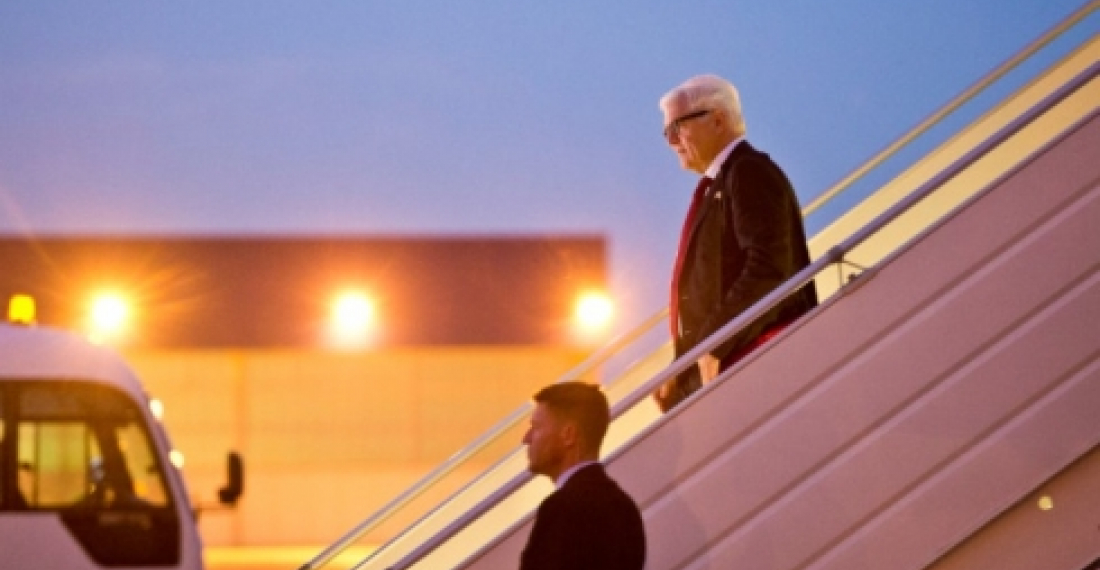
фото: министр иностранных дел Германии Франк-Вальтер Штайнмайер в Баку в начале этой недели, в начале короткого, но важного визита на Южный Кавказ. (Фото любезно предоставлено МИД Германии).


Related articles

Editor's choice
News
''Coalition of the Willing'' meets in Kyiv to restate its support for Ukraine

''Coalition of the Willing'' meets in Kyiv to restate its support for Ukraine

The ''Coalition of the  Willing''  of thirty five countries, has renewed its support of Ukriane, at a meeting in Kyiv, held on Ukraine's national day on 24 August, under the chairmanship of British Prime Minister,A ndy Burnham. Burnham has promised to keep up the pressure on Russia despite Moscow's "outrageous threats", on his first official visit to Ukraine as UK prime minister. Burnham met Ukrainian President Volodymyr Zelensky and chaired his first meeting of the "coalition of the willing", set up by the UK and France under his predecessor Sir Keir Starmer. He said the coalition was "doing everything we can" while urging the US Congress to "ratchet up" economic pressure on Russia. The government has agreed to hand over blueprints for British-made components for the Scalp missile, a French version of the UK's Storm Shadow cruise missile - allowing Ukraine to produce the long-range weapon domestically. During the meeting with France and Ukraine, Burnham said allies were doing "everything we can" to "dig into our own stocks and help others dig into their stocks" of air defences to protect Ukraine. "This is the moment to keep up the pressure on Russia, the moment to squeeze their ability to fund this illegal war," Burnham said, praising the "strength" of the Ukrainian people. "Ukraine has been Europe's protector, not a drain on our security but the front line in keeping Europe safe." It comes after Kremlin spokesman Dmitry Peskov criticised the UK's decision to share the missile blueprints. Peskov said it prevented "even the slightest progress" towards achieving peace. He told reporters on Monday that the Russian military was already gathering data to locate any missile production sites to destroy them. "Britain is involved in this war on the side of the Kyiv regime. Britain methodically and regularly adds fuel to the fire," he added. In response, Burnham said: "Who started the fire? That's the question, isn't it?" He added the issue of missile interceptors would be the main topic at the coalition of the willing meeting. Burnham chaired his first meeting of the "coalition of the willing" in Kyiv Burnham has been reaffirming the UK's backing for Kyiv in the wake of escalating Russian strikes on Ukraine in recent weeks - including one on a shopping centre on Friday that killed at least 16 people. In a joint statement after the meeting, Burnham and co-chairs French President Emmanuel Macron and German Chancellor Friedrich Merz said the group would aim to strength Kyiv's air defences "as a matter or urgent priority". They also condemned Moscow's "systemic and escalating strikes against Ukraine's cities, critical infrastructure and civilians" and pledged to "constrain Russia's war chest through sanctions and actions against the "shadow fleet". (click image to read more).

Popular

Editor's choice
Interview
Thursday Interview: Murad Muradov

Thursday Interview: Murad Muradov

Today, commonspace.eu starts a new regular weekly series. THURSDAY INTERVIEW, conducted by Lauri Nikulainen, will host  persons who are thinkers, opinion shapers, and implementors in their countries and spheres. We start the series with an interview with Murad Muradov, a leading person in Azerbaijan's think tank community. He is also the first co-chair of the Action Committee for a new Armenian-Azerbaijani Dialogue. Last September he made history by being the first Azerbaijani civil society activist to visit Armenia after the 44 day war, and the start of the peace process. Speaking about this visit Murad Muradov said: "My experience was largely positive. My negative expectations luckily didn’t play out. The discussions were respectful, the panel format bringing together experts from Armenia, Azerbaijan, and Turkey was particularly valuable during the NATO Rose-Roth Seminar in Yerevan, and media coverage, while varied in tone, remained largely constructive. Some media outlets though attempted to represent me as more of a government mouthpiece than an independent expert, which was totally misleading.  Overall, I see these initiatives as important steps in rebuilding trust and normalising professional engagement. The fact that soon a larger Azerbaijani civil society visits to Armenia followed, reinforces the sense that this process is moving in the right direction." (click the image to read the interview in full)

