


Французский депутат: Пришло время мобилизовать все усилия для пресечения антиармянской политики Турции и Азербайджана

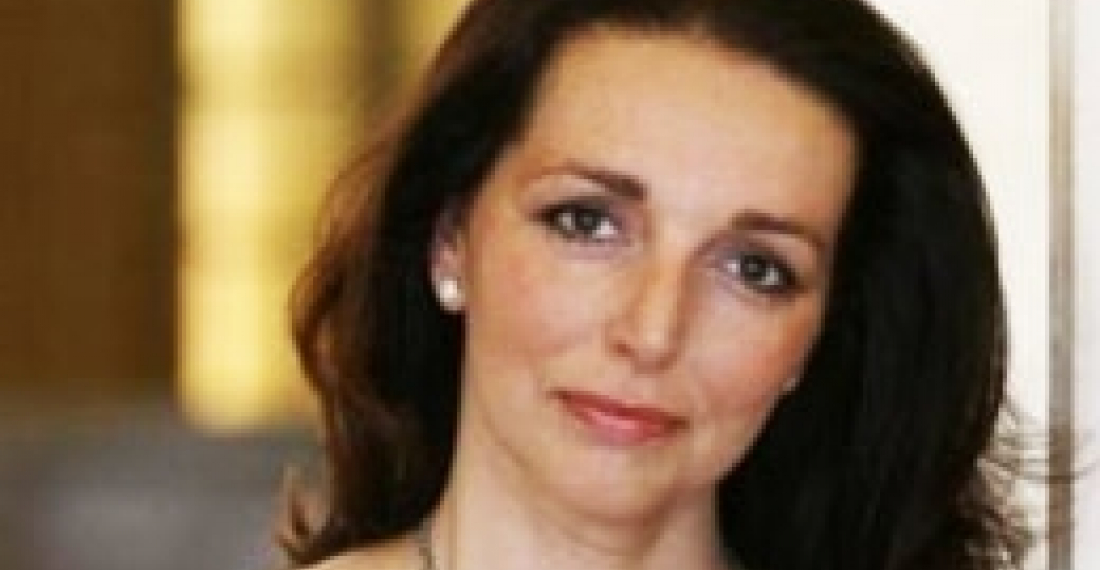
Экс-президент Франции Николя Саркози создал в период своего президентства все необходимые условия для принятия законопроекта о криминализации отрицания армян, и нынешнему президенту Франсуа Оланду предстоит лишь выполнить свое предвыборное обещание и провести документ. Об этом в интервью Общественному телевидению Армении заявила депутат парламента Франции от партии Союз за народное движение Валери Буайе, являющаяся автором законопроекта о криминализации отрицания Геноцида армян.

При этом она отметила, что Оланд ведет несколько отличную от Саркози политику в отношении Турции. "Мы сейчас посмотрим, выполнит ли он свое предвыборное обещание. Скоро 100-летняя годовщина Геноцида армян, и мы обязаны довести дело до конца. Политические силы Франции должны поддержать эту инициативу",- отметила она, добавив, что Турция сама, своей отказнической и агрессивной позицией,  способствовала внесению армянского вопроса в европейскую повестку. "Однако теперь в Турции поняли, что во Франции есть люди, которые их не боятся",- отметила депутат, добавив при этом, что после принятия Сенатом представленного ею законопроекта  со стороны турок начались такие угрозы, что для защиты депутата и ее семьи пришлось привлечь правоохранительные органы. "Я ожидала такой реакции, но это было неважно", - сказала Буайе.

Депутат вновь подчеркнула, что намерена внести законопроект о криминализации отрицания Геноцида армян в повестку Сената Франции. Она также сообщила, что лоббирует признание Геноцида армян и в ряде других европейских стран.

Говоря об обвинениях в адрес экс-президента Николя Саркози в том, что он мог бы подписать принятую Сенатом резолюцию о криминализации отрицания Геноцида до того, как Конституционный суд Франции поставил на него вето, депутат заметила: <Это неверное мнение, Саркози не мог подписать данный документ до вердикта КС, это было бы нарушением закона>. Буайе подчеркнула, что Саркози был очень смелым президентом, и способствовал принятию этой резолюции, несмотря на протест Турции и ряда европейских стран.

По мнению Буайе, принятие законопроекта смягчило бы отказнческую позицию Анкары по Армянскому вопросу и пресекло бы экстрадицию и помилование азербайджанского убийцы Рамиля Сафарова. Комментируя информацию о том, что Венгрия эксрадировала Сафарова взамен на азербайджанские инвестиции в размере 03 млр евро, депутат подчеркнула: "Не хочу верить, что все можно купить за деньги и нефть". Она также посчитала неадекватной реакцию Парижа на экстрадицию и помилование Сафарова.  "Пришло время мобилизовать все усилия для пресечения антиармянской политики Турции и посягательств Азербайджана в отношении Нагорного Карабаха",- резюмировала депутат.

Related articles

Editor's choice
News
Nikol Pashinyan re-appointed as Armenian prime minister after decisive June election victory

Nikol Pashinyan re-appointed as Armenian prime minister after decisive June election victory

Armenia president, Vahagn Khachaturyan has re-appointed Nikol Pashinyan as Armenian prime minister, after the decisive victory of his Civil Contract party in parliamentary elections in June. During a ceremony at the Presidential Palace in Yerevan, President Khachaturyan signed a decree on the appointment of Nikol Pashinyan as Prime Minister of the Republic. President Vahagn Khachaturyan said in short remarks: It is a great honor for me to sign a decree on appointing you to the post of Prime Minister of the Republic of Armenia, for which I received a proposal from the political majority in the National Assembly, under Article 149 of the Constitution of the Republic of Armenia. I sincerely congratulate you, I wish you great patience, endurance, and determination to lead us in these difficult times, to lead the country to the future, a prosperous future. Nikol Pashinyan thanked the president and added,  I must say honestly that in 2018, when I assumed the post of Prime Minister of the Republic of Armenia as a result of the People's, non-violent, velvet revolution, it would have been difficult to predict that we would go down such a path and I think it would have been difficult to predict that we would be able to overcome this path. But we are where we are, and I think that the key role and significance in all this is unequivocally and undoubtedly the people of the Republic of Armenia, who, after all, have demonstrated special expressions of state consciousness and state-centeredness throughout this period. And of course, this is a great obligation and commitment. Of course, the Government will be formed in the near future and all members of the Government, including me, will already enshrine our obligations to our people in the text of the oath.  In the meantime Ruben Rubinyan has been elected Speaker of the National Assembly of Armenia, following a secret vote of MPs. He is a 36-year-old MP from the ruling Civil Contract party, who was one of the deputy speakers in the previous parliament and, until recently, was the special representative in the negotiations on the normalization of relations with Turkey.

Popular

Editor's choice
Interview
Thursday Interview: Murad Muradov

Thursday Interview: Murad Muradov

Today, commonspace.eu starts a new regular weekly series. THURSDAY INTERVIEW, conducted by Lauri Nikulainen, will host  persons who are thinkers, opinion shapers, and implementors in their countries and spheres. We start the series with an interview with Murad Muradov, a leading person in Azerbaijan's think tank community. He is also the first co-chair of the Action Committee for a new Armenian-Azerbaijani Dialogue. Last September he made history by being the first Azerbaijani civil society activist to visit Armenia after the 44 day war, and the start of the peace process. Speaking about this visit Murad Muradov said: "My experience was largely positive. My negative expectations luckily didn’t play out. The discussions were respectful, the panel format bringing together experts from Armenia, Azerbaijan, and Turkey was particularly valuable during the NATO Rose-Roth Seminar in Yerevan, and media coverage, while varied in tone, remained largely constructive. Some media outlets though attempted to represent me as more of a government mouthpiece than an independent expert, which was totally misleading.  Overall, I see these initiatives as important steps in rebuilding trust and normalising professional engagement. The fact that soon a larger Azerbaijani civil society visits to Armenia followed, reinforces the sense that this process is moving in the right direction." (click the image to read the interview in full)

