Россия сокращает поставки газа в то время, как Европа замерзает. "Газпром" сообщил, что сокращение поставок было вызвано большим спросом газа на внутреннем рынке.
Энергетическая компания России "Газпром" сократила поставки газа в Европейский Союз в связи с повышенным спросом в период крайне холодной погоды в России. Это сокращение затронуло восемь европейских стран: Польша, Словакия, Австрия, Венгрия, Болгария, Румыния, Греция и Италия.

Первоначально "Газпром" отрицал новость о снижении, однако позже заявил, что им необходимо больше газа для внутреннего рынка. Россия объяснила, что нуждается в "больших объёмах газа из-за холодов" и что "договор между европейскими компаниями и "Газпромом" позволяет гибкость" в подобных ситуациях.

Представитель Европейской комиссии на прошлой неделе заявил, что "Россия не предоставила всю информацию", но отклонил связь между дефицитом и текущим спором между Россией и Украиной о транзите газа. Комиссия предупредила Координационную группу по газу, которая состоит из представителей государств, энергетических компаний и операторов газопроводов.

Источник: commonspace.eu по материалам агентств

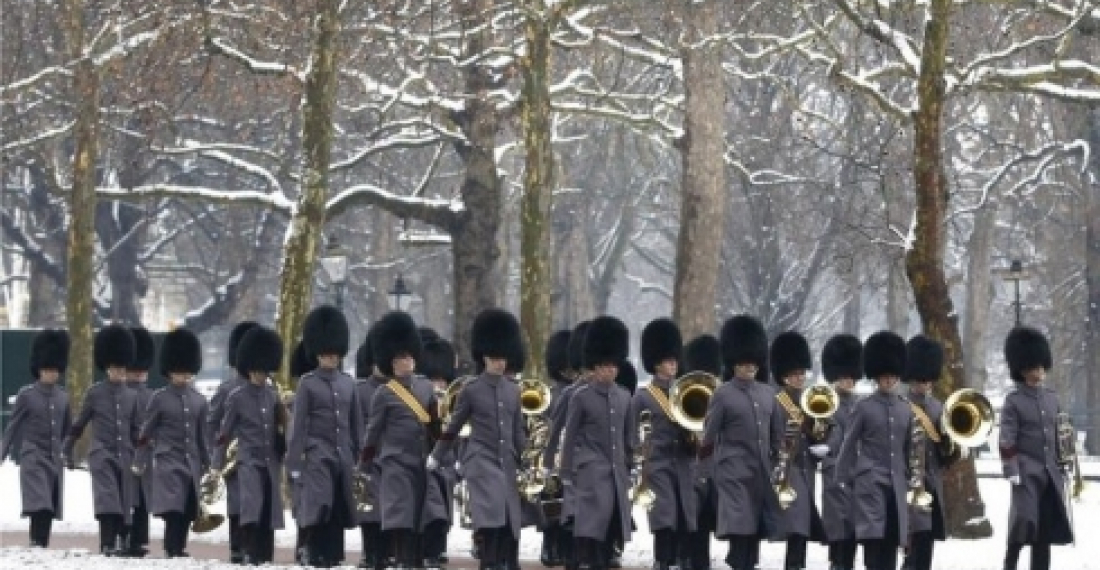
Фото: Сильный снег выпал в выходные дни в Лондоне, но, как обычно, оркестр Гвардейского полка в воскресенье прошёл через парк. (фото любезно предоставлено BBC)

Related articles

Popular

Editor's choice
Interview
Thursday Interview: Murad Muradov

Thursday Interview: Murad Muradov

Today, commonspace.eu starts a new regular weekly series. THURSDAY INTERVIEW, conducted by Lauri Nikulainen, will host  persons who are thinkers, opinion shapers, and implementors in their countries and spheres. We start the series with an interview with Murad Muradov, a leading person in Azerbaijan's think tank community. He is also the first co-chair of the Action Committee for a new Armenian-Azerbaijani Dialogue. Last September he made history by being the first Azerbaijani civil society activist to visit Armenia after the 44 day war, and the start of the peace process. Speaking about this visit Murad Muradov said: "My experience was largely positive. My negative expectations luckily didn’t play out. The discussions were respectful, the panel format bringing together experts from Armenia, Azerbaijan, and Turkey was particularly valuable during the NATO Rose-Roth Seminar in Yerevan, and media coverage, while varied in tone, remained largely constructive. Some media outlets though attempted to represent me as more of a government mouthpiece than an independent expert, which was totally misleading.  Overall, I see these initiatives as important steps in rebuilding trust and normalising professional engagement. The fact that soon a larger Azerbaijani civil society visits to Armenia followed, reinforces the sense that this process is moving in the right direction." (click the image to read the interview in full)