


ПА НАТО одобрило резолюцию, поддерживающую "политику открытых дверей".

В минувшие выходные Парламентская ассамблея НАТО на встрече в Будапеште вернулась к вопросу о новых членах альянса и снова призвала к приверженности к "политике открытых дверей", о чем договорились еще на саммите глав правительств в Уэльсе в 2014 году.

ПА НАТО призвала правительства и парламенты Североатлантического альянса сохранить приверженность к договоренностям Уэльского саммита по политике открытых дверей, подчеркнув, что кандидаты НАТО должны продолжать необходимые преобразования для того, чтобы удовлетворить требованиям членства в НАТО, как изложенно в статье 10 Вашингтонского договора; предоставить поддержку странам-кандидатам, согласованную на саммите, и принять решение о приглашении к вступлению на саммите в Черногории к концу 2015 года; и продолжать оказывать поддержку осуществлению значительного пакета НАТО-Грузия в соответствии с решением саммита в Бухаресте в 2008, на пути к следующему шагу интеграции Грузии в НАТО путем предоставления ей плана действий для членства.

В своей резолюции по этому вопросу, Парламентская Ассамблея НАТО заявила, что признает сложную ситуацию, в которой оказалась Украина на фоне беспрецедентной агрессии со стороны Российской Федерации, и призвало украинское правительство и парламент приложить все усилия в реформировании страны в соответствии с демократическими стандартами евро-атлантических стран. В ней также сказано, что, как и в прошлом, странам-претендентам будет оказана вся возможная помощь в достижении членства в НАТО.

Резолюция, являясь необязательной, повышает давление на государства-члены альянса для продвижения вопроса с членством ряда стран, в том числе Грузии. Председатель парламента Грузии, Давид Усупашвили, был одним из основных докладчиков на заседании в Будапеште. В откровенном выступлении он заявил депутатам, что дальнейшее промедление НАТО невозможно, и что НАТО должно продвинуть заявку Грузии на следующий этап.

Источник: commonspace.eu

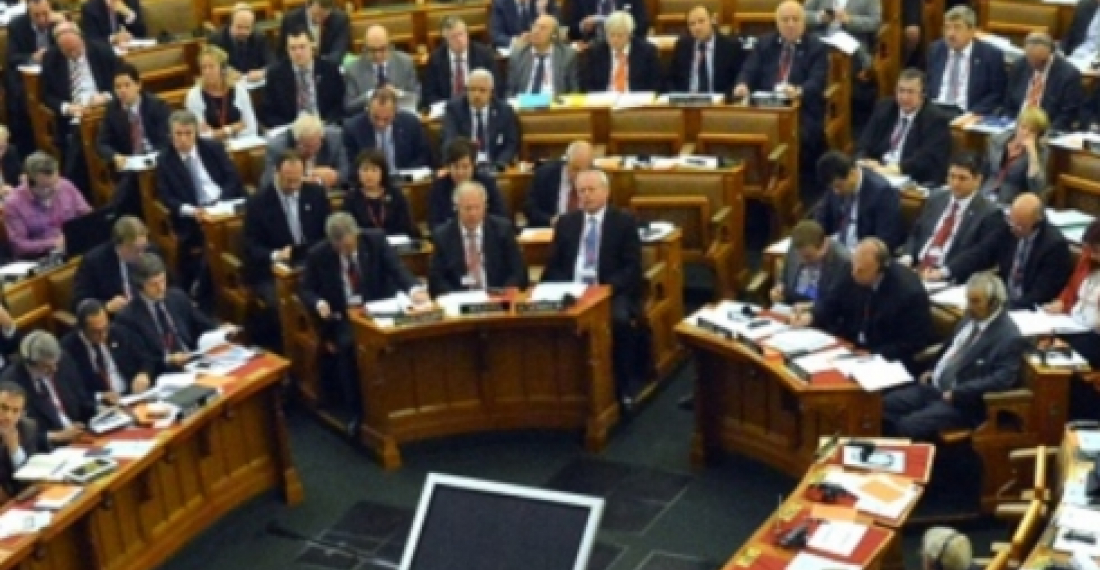
Фото: Весенняя сессия Парламентской ассамблеи НАТО в Будапеште, 15-17 мая 2015 года (фото любезно предоставлено ПА НАТО).


 

Related articles

Editor's choice
News
Aden under curfew, as problem in Yemen's south deepens

Aden under curfew, as problem in Yemen's south deepens

The port city of Aden, in Yemen's south, has been put under curfew, as the rift in the country between  the Saudi led coalition which  backs Yemen's presidential governing council, and the southern forces led by the Southern Transitional Council (STC), deepens. Abdul Rahman al-Mahrami, a member of the Yemeni Presidential Governing Council and commander of the al-Amalik brigades, has ordered a curfew in the temporary capital, Aden, "to maintain security". "A curfew has been imposed throughout Aden Governorate from 9:00 p.m. to 6:00 a.m., in accordance with the instructions of Commander Abdul Rahman al-Mahrami, a member of the Presidential Management Council," the statement said. It states that only security and military personnel, as well as medical and technical teams with approved permits, will be allowed to move in the area during these hours. Yemen's presidential council, which is backed by Saudi Arabia and which already is in a struggle with the Houthi Movement in the north of the country who also occupy the capital Sanaa, two days ago issued an order for the arrest of the head of the Southern Transitional Council (STC),, Aidarous al Zubaidi. The STC have wide support among people in the South, and advocate that South Yemen restores its independence. The coalition warned of further escalation in Aden, long regarded as an STC stronghold, as the Presidential Leadership Council (PLC) chief accused STC leader Aidarous Al Zubaidi of “high treason” and announced the revocation of his membership in the governing body. The moves mark a sharp escalation in tensions within the anti-Houthi camp, despite National Shield Forces, rivals of the STC and former allies, having recently retaken control of Hadhramaut and Mahra from southern fighters. The STC’s takeover of the two regions last month angered Saudi Arabia and contributed to igniting the current internal conflict. (click the picture to read more)

Popular

Editor's choice
News
Aden under curfew, as problem in Yemen's south deepens

Aden under curfew, as problem in Yemen's south deepens

The port city of Aden, in Yemen's south, has been put under curfew, as the rift in the country between  the Saudi led coalition which  backs Yemen's presidential governing council, and the southern forces led by the Southern Transitional Council (STC), deepens. Abdul Rahman al-Mahrami, a member of the Yemeni Presidential Governing Council and commander of the al-Amalik brigades, has ordered a curfew in the temporary capital, Aden, "to maintain security". "A curfew has been imposed throughout Aden Governorate from 9:00 p.m. to 6:00 a.m., in accordance with the instructions of Commander Abdul Rahman al-Mahrami, a member of the Presidential Management Council," the statement said. It states that only security and military personnel, as well as medical and technical teams with approved permits, will be allowed to move in the area during these hours. Yemen's presidential council, which is backed by Saudi Arabia and which already is in a struggle with the Houthi Movement in the north of the country who also occupy the capital Sanaa, two days ago issued an order for the arrest of the head of the Southern Transitional Council (STC),, Aidarous al Zubaidi. The STC have wide support among people in the South, and advocate that South Yemen restores its independence. The coalition warned of further escalation in Aden, long regarded as an STC stronghold, as the Presidential Leadership Council (PLC) chief accused STC leader Aidarous Al Zubaidi of “high treason” and announced the revocation of his membership in the governing body. The moves mark a sharp escalation in tensions within the anti-Houthi camp, despite National Shield Forces, rivals of the STC and former allies, having recently retaken control of Hadhramaut and Mahra from southern fighters. The STC’s takeover of the two regions last month angered Saudi Arabia and contributed to igniting the current internal conflict. (click the picture to read more)

