


ЛАТВИЯ ОТВЕРГАЕТ НА РЕФЕРЕНДУМЕ ПРЕДЛОЖЕНИЕ СДЕЛАТЬ РУССКИЙ ЯЗЫК ВТОРЫМ ГОСУДАРСТВЕННЫМ
Латыши решительно отвергли возможность сделать русский вторым официальным языком в стране, как показали результаты референдума. Примерно две трети проголосовавших было за, сообщает избирательная комиссия, что гораздо больше, чем в предыдущих опросах.

Референдум, инициированный движением русскоговорящих, выявил глубокие "линий разлома" в Латвии. Этнические русские, которые составляют около трети населения Латвии, уже давно жалуются на дискриминацию.

Но многие латыши считают, что референдум был попыткой посягнуть на независимость. Он был инициирован движением русскоговорящих, "Родной язык", которое собрало подписи более 10% избирателей, для проведения голосования.

Чиновники заявили, что из более чем 90% подсчитанных голосов, 75% проголосовавших на референдуме в субботу были против этого предложения.

69,23 процента граждан - 1,069,759 - приняли участие в референдуме по сообщению Центральной избирательной комиссии.

Политический редактор Commonspace.eu сказал в комментарии: "В то время, как Латвия стала одной из самых успешных стран, вышедших из бывшего СССР, проблема русского меньшинства в стране была чувствительным вопросом для Балтийского государства, с тех пор, как она восстановила свою независимость. Латыши считают, что в советские времена, их национальная идентичность была под угрозой, после заселения республики большим числом россиян. В настоящее время они составляют 40% населения, хотя не все из них имеют гражданство. Отношение Латвии к русскому меньшинству было под тщательным контролем до вступления страны в Европейский Союз и был принят важный закон, гарантирующий равенство всех граждан. Языковой вопрос, однако, остается чувствительным, поскольку многие из русских латвийцев говорят что, не разговаривают по-латышски свободно, что ставит их в невыгодное положение при приеме на государственную службу или государственные должности".

Источник: commonspace.eu по материалам BBC News

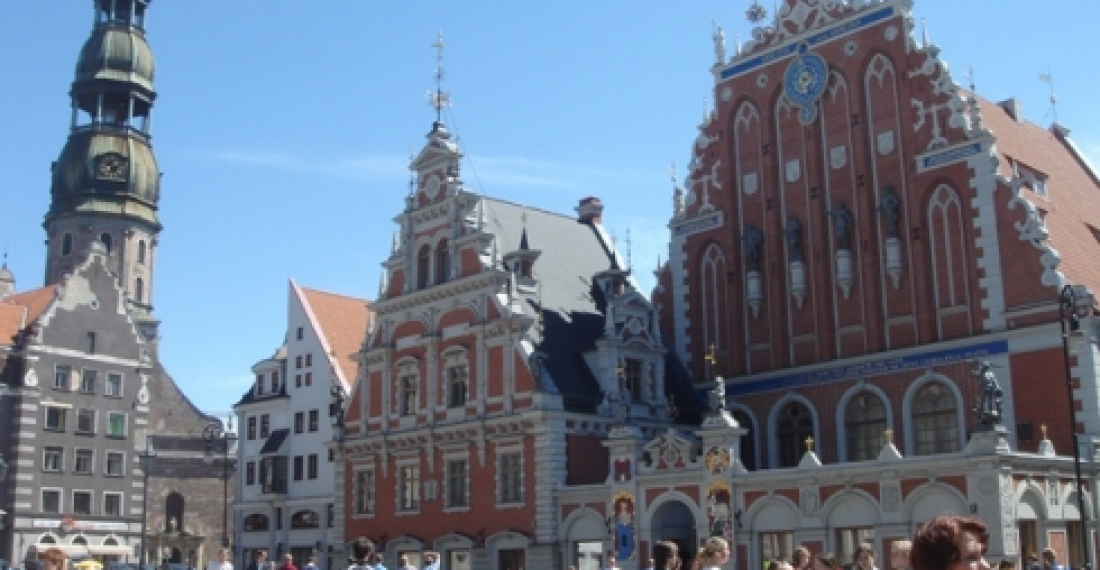
Фото: Столица Латвии, Рига (фото их архива)

Related articles

Editor's choice
News
Uzbekistan calls for bigger voice for Central Asia in the UN

Uzbekistan calls for bigger voice for Central Asia in the UN

Uzbekistan called for a more effective and representative United Nations on September 23, as presidential administration chief Saida Mirziyoyeva used her address to the UN General Assembly to seek support for the country’s candidacy for a nonpermanent Security Council seat in 2035–2036. Speaking at the Assembly’s 81st session in New York, Mirziyoyeva argued that international cooperation remains necessary despite growing geopolitical divisions. She endorsed UN Secretary-General António Guterres’ UN80 reform initiative and called for an expanded Security Council, arguing that international rules should be applied consistently rather than according to the interests of powerful states. Uzbekistan’s planned chairmanship of the Non-Aligned Movement in 2027 was presented as another platform for promoting dialogue. Her emphasis on multilateralism also fits a broader Central Asian effort to increase the region’s role in international institutions. Kyrgyzstan, for example, will hold its first Security Council seat in 2027–2028. Mirziyoyeva also highlighted regional cooperation, pointing to improved relations among Central Asian states over longstanding border and water disputes. On Afghanistan, she urged countries not to view it solely as a security threat, stressing the importance of creating conditions for peaceful development. She linked Uzbekistan’s international agenda to domestic reforms, citing economic growth, falling poverty and expanded education. Climate and water security also featured prominently, with the Aral Sea serving as an example of the consequences of poor environmental management. (click image to read more)

Popular

Editor's choice
Interview
Thursday Interview: Murad Muradov

Thursday Interview: Murad Muradov

Today, commonspace.eu starts a new regular weekly series. THURSDAY INTERVIEW, conducted by Lauri Nikulainen, will host  persons who are thinkers, opinion shapers, and implementors in their countries and spheres. We start the series with an interview with Murad Muradov, a leading person in Azerbaijan's think tank community. He is also the first co-chair of the Action Committee for a new Armenian-Azerbaijani Dialogue. Last September he made history by being the first Azerbaijani civil society activist to visit Armenia after the 44 day war, and the start of the peace process. Speaking about this visit Murad Muradov said: "My experience was largely positive. My negative expectations luckily didn’t play out. The discussions were respectful, the panel format bringing together experts from Armenia, Azerbaijan, and Turkey was particularly valuable during the NATO Rose-Roth Seminar in Yerevan, and media coverage, while varied in tone, remained largely constructive. Some media outlets though attempted to represent me as more of a government mouthpiece than an independent expert, which was totally misleading.  Overall, I see these initiatives as important steps in rebuilding trust and normalising professional engagement. The fact that soon a larger Azerbaijani civil society visits to Armenia followed, reinforces the sense that this process is moving in the right direction." (click the image to read the interview in full)



